
Modern menopause hormone therapy not linked to heart risk, Israeli study finds
 By Vikram JoshiLife Balance Correspondent, Peepals Shakti

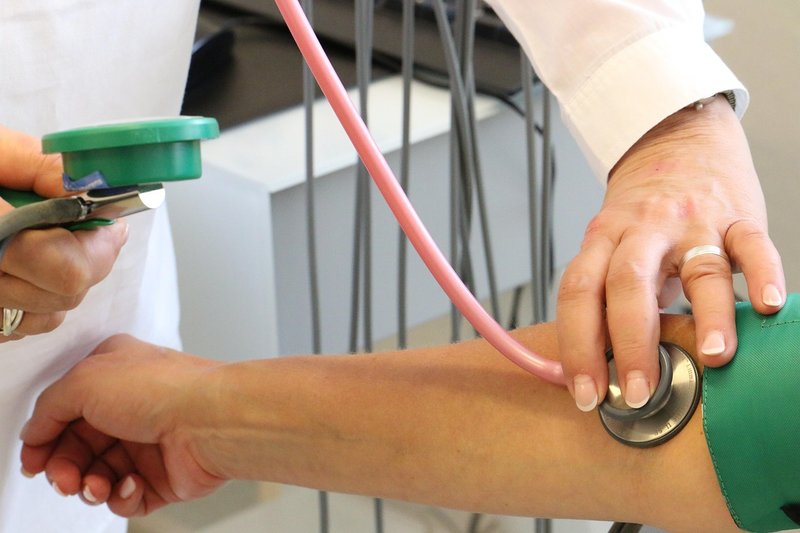
Representative image: jump1987 / Pixabay
A study of 52,330 Israeli women released on 2 November 2026 found modern hormone therapy started at 45 to 59 was not linked to more heart attacks or strokes.
What Happened
A large Israeli study released by the American Heart Association on Monday, 2 November 2026, found that women aged 45 to 59 who started modern menopause hormone therapy did not have a higher risk of heart attack, stroke, blood clots or death over an average of 12 years than similar women who did not take it. The research, led by Ronen Arbel of Clalit Health Services in Israel, is being presented at the association's Scientific Sessions 2026. The association describes it as preliminary research that has not yet been published in a peer-reviewed journal.
Key Facts
- Who: researchers at Clalit Health Services in Israel, led by Ronen Arbel; findings released by the American Heart Association on 2 November 2026 for its Scientific Sessions 2026.
- Women studied: 52,330 women aged 45 to 59 with no history of heart disease, blood clots or cancer.
- Comparison: 26,165 women who started hormone replacement therapy (HRT) were matched with 26,165 who did not, taking into account age, weight, blood pressure, cholesterol, diabetes, smoking and social and economic status.
- Follow-up: an average of 12 years, and up to 23 years for some women.
- Heart and stroke events: 2,311 women in the HRT group had a heart attack, stroke or related heart disease, against 2,383 in the group that did not take HRT.
- Deaths before age 80: 659 women in the HRT group and 653 in the comparison group.
- Status: an observational study, presented as preliminary research, not yet peer reviewed.
Why It Matters
For many women, the years around menopause bring hot flushes, night sweats, poor sleep and mood changes that can affect work, relationships and day-to-day wellbeing. Hormone replacement therapy, which replaces the oestrogen (and sometimes progesterone) the body makes less of after menopause, is one of the main treatments for these symptoms. Concerns about heart attack and stroke have long made some women and doctors cautious about it, which is why studies of its heart safety draw close attention.
This study adds a large, long-running piece of evidence to that debate. It looked specifically at women in the age group when most start treatment, between 45 and 59, who had no previous heart disease, blood clots or cancer, and followed them for an average of 12 years. In that group, the number of heart attacks, strokes and related heart problems was very close whether or not they took modern HRT, and so was the number of deaths before age 80.
The limits are important. The study is observational: it compares women who chose to start treatment with similar women who did not, so it cannot prove that the therapy itself caused or prevented anything, even after matching for many health factors. It covers only women without past heart disease, clots or cancer, so it says nothing about women at higher risk. And it has not yet been through peer review. The findings do not tell any individual woman whether to start or stop treatment; that remains a decision to make with a doctor who knows her medical history.
Peepals calculation: the HRT group had 72 fewer heart attacks, strokes and related heart events than the comparison group (2,383 − 2,311 = 72), about 3% fewer (2,311 ÷ 2,383 ≈ 0.97), while deaths before 80 differed by six (659 against 653). In groups of 26,165 women each, both gaps are small. Our calculation from the reported figures.
| Measure | HRT group | No-HRT group |
|---|---|---|
| Women in each group | 26,165 | 26,165 |
| Heart attack, stroke or related heart disease | 2,311 | 2,383 |
| Deaths before age 80 | 659 | 653 |
Impact
Short-term: The results are likely to be discussed by women weighing treatment for menopause symptoms and by the doctors who advise them, as one more piece of evidence on heart safety for women who start HRT between 45 and 59.
Long-term: If the findings hold up in peer review and in other studies, they could ease some of the fear that has kept women from considering hormone therapy, and shape how guidelines describe its heart risks for healthy women in midlife.
Who is affected: Women in perimenopause and menopause, especially those aged 45 to 59 without heart disease, blood clots or cancer; their doctors; and employers and health services that support women through menopause.
Key Takeaway
A study of 52,330 Israeli women, released on 2 November 2026, found that starting modern hormone therapy at 45 to 59 was not linked to more heart attacks, strokes, clots or deaths over about 12 years, though the research is observational and not yet peer reviewed.
Questions and Answers
Does menopause hormone therapy increase heart attack risk, according to the new study?
In this Israeli study of women aged 45 to 59 without past heart disease, clots or cancer, starting modern hormone therapy was not linked to a higher risk of heart attack, stroke, blood clots or death over an average of 12 years.
How many women were studied?
Researchers at Clalit Health Services looked at 52,330 women: 26,165 who started hormone therapy and 26,165 matched women who did not.
Does this prove HRT is safe for the heart?
No. It is an observational study, so it cannot prove cause and effect, it covers only women without earlier heart disease, clots or cancer, and it has not yet been peer reviewed.
Should I start or stop hormone therapy because of this study?
This article does not give medical advice. Any decision about hormone therapy should be made with a doctor who knows your health history and risk factors.
Disclaimer: Prepared by the Peepals newsroom from publicly available sources with AI assistance. Information is accurate to the best of our knowledge at the time of publication and may change. Images may be representative. Not professional advice. Report an error via our contact page.
By Vikram Joshi, Life Balance CorrespondentCovers Life Balance and more for Peepals Shakti. All stories by Vikram Joshi
Girls get 6-11% less money from parents than boys, UK study finds
Married daughters get share in father's state-granted land: Karnataka HC
Get the day's stories in your inbox
Peepals Weekly: the week decoded, free. One email a week, unsubscribe in one click.
Vikram Joshi is a pen name of the Peepals Global Editorial Team, which researches, fact-checks and publishes every story. The portrait is an illustration.