
Kenya Mini DHS 2025-26: 32.9% of women never married, fertility at 3.1
 By Priya NairLeadership & Growth Editor, Peepals Shakti
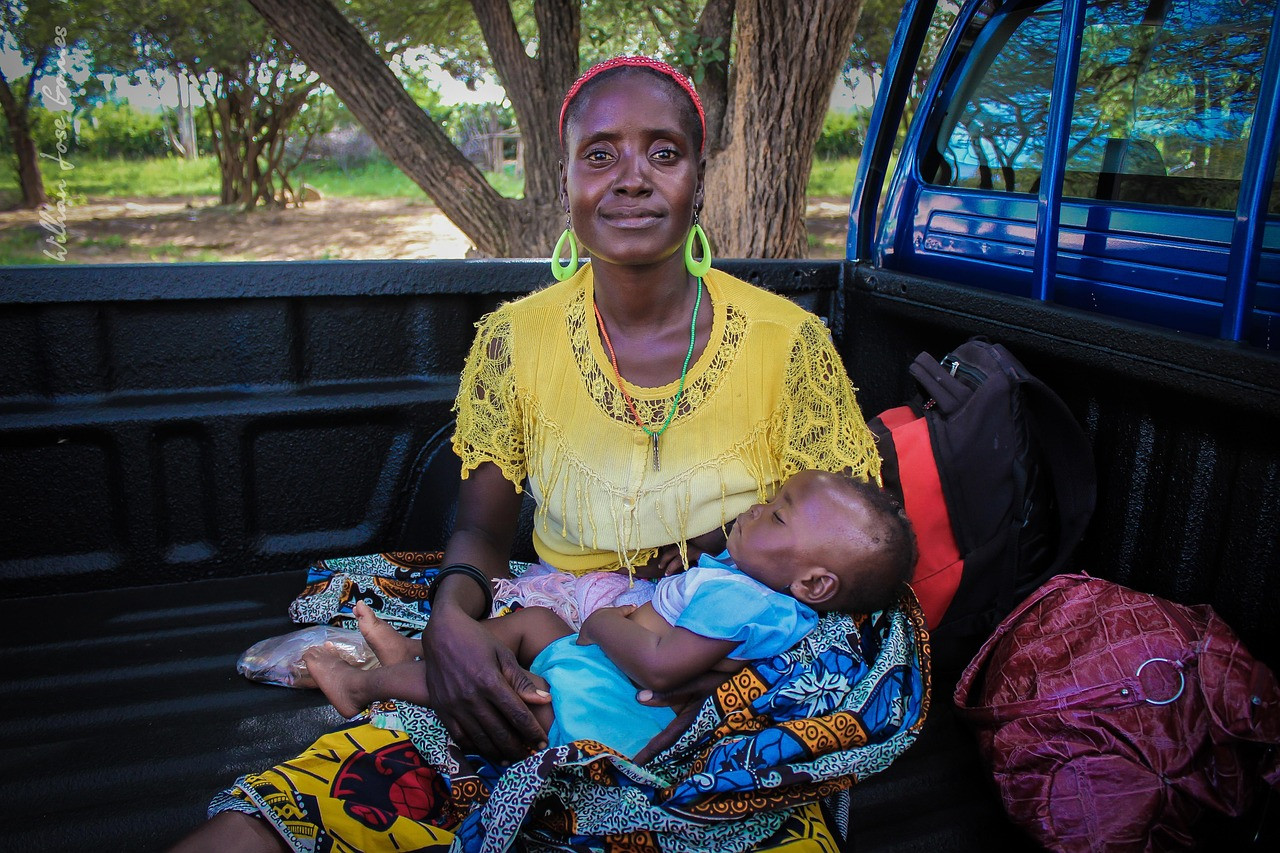
Representative image: wjgomes / Pixabay
Kenya's 2025-26 Mini Demographic and Health Survey, released on 3 November 2026, shows 32.9% of women never married and fertility down to 3.1 children.
What Happened
Fewer Kenyan women are marrying and more are staying single, according to the 2025-26 Kenya Mini Demographic and Health Survey, which the Kenya National Bureau of Statistics (KNBS) released in Nairobi on Tuesday, 3 November 2026. The share of women aged 15 to 49 who have never married rose to 32.9%, from 30% in 2003, while the share who are married or living with a partner fell to 55%, from 60%. The same survey found that Kenyan women now have 3.1 children on average, down from 3.4 in 2022.
Key Facts
- Survey: the 2025-26 Kenya Mini Demographic and Health Survey, the first "mini" edition and the eighth national demographic and health survey since 1989, run by KNBS with the Ministry of Health.
- Sample: 21,231 women aged 15 to 49 interviewed in all counties, according to KNBS Acting Director General Benjamin Avusevwa; fieldwork ran from Wednesday, 5 November 2025, to Tuesday, 10 February 2026.
- Marriage: 32.9% of women have never married (30% in 2003); 55% are married or cohabiting (60% in 2003); 10% are divorced or separated (6% in 2003).
- Paperwork: only 17.6% of women in a union said it was registered, and 14% said they held a marriage certificate.
- Children: the total fertility rate, the average number of children a woman would have over her life, is 3.1, against 3.4 in 2022 and 4.9 in 2003. It is 3.6 in rural areas and 2.6 in towns.
- Teenage pregnancy: the share of girls aged 15 to 19 who have ever been pregnant fell to 11.9%, from 14.8%.
- Births: 91% of births now take place in a health facility (88% before), and 92% are attended by a skilled provider (89% before).
Why It Matters
Demographic and health surveys are among the few sources that track how family life changes over decades, because they ask the same questions of a large national sample of women. Kenya's new figures show several shifts moving together: women are marrying less, more marriages end in separation or divorce, and families are getting smaller. For a country where the average woman had almost five children only two decades ago, that is a large change in what a typical household looks like.
The low rate of registered unions matters for women in particular. When fewer than one in five unions is on record, a woman whose relationship ends may find it harder to prove the marriage when property, maintenance or inheritance is in dispute. The reported findings do not explain why so few unions are registered, but the figure gives policymakers a measured starting point.
The national averages also hide sharp local differences. Embu county has the lowest fertility rate in the country, 2.2 children per woman, followed by Kiambu and Mombasa at 2.3, and Kericho and Nairobi at 2.6. Yet 18.6% of girls aged 15 to 19 in Embu have been pregnant, well above the national 11.9%. In Nairobi, the teenage pregnancy share rose from 8.4% to 13.2%, against the national fall. These gaps show where support for adolescent girls and young families is most needed.
Peepals calculation: Kenya's fertility rate has fallen by about 37% since 2003 ((4.9 - 3.1) / 4.9 = 0.367) and by about 9% since 2022 ((3.4 - 3.1) / 3.4 = 0.088). The share of women who are divorced or separated has risen by two-thirds since 2003 ((10 - 6) / 6 = 0.67), and the teenage pregnancy share has dropped by about a fifth ((14.8 - 11.9) / 14.8 = 0.196). Our calculation from the reported figures.
| Measure | Earlier | 2025-26 |
|---|---|---|
| Never-married women (15-49) | 30% (2003) | 32.9% |
| Married or cohabiting | 60% (2003) | 55% |
| Divorced or separated | 6% (2003) | 10% |
| Children per woman | 3.4 (2022) | 3.1 |
| Girls 15-19 ever pregnant | 14.8% | 11.9% |
Impact
Short-term: County governments now have fresh figures on fertility, teenage pregnancy and maternal care to plan health and family services. KNBS presents the mini survey as a bridge to the next full demographic and health survey.
Long-term: Smaller families and later or fewer marriages change how care for children and older relatives is shared within households, and how much support women need from the state when relationships end. If the trends continue, they will shape Kenya's schools, health services and labour force for decades.
Who is affected: Kenyan women and girls, their families, county health departments, and the agencies that plan maternal and child health and family law.
Key Takeaway
Kenya's 2025-26 Mini Demographic and Health Survey shows women marrying less, separating more and having fewer children, with only 17.6% of unions formally registered.
Questions and Answers
What did the Kenya Mini Demographic and Health Survey 2025-26 find about marriage?
It found that 32.9% of Kenyan women aged 15 to 49 have never married, up from 30% in 2003. The share married or living with a partner fell from 60% to 55%, and the share divorced or separated rose from 6% to 10%.
What is Kenya's fertility rate now?
The survey puts Kenya's total fertility rate at 3.1 children per woman, down from 3.4 in 2022 and 4.9 in 2003. Embu county has the lowest rate, at 2.2.
Did teenage pregnancy go up or down in Kenya?
Nationally it went down: 11.9% of girls aged 15 to 19 have ever been pregnant, against 14.8% before. Nairobi went the other way, rising from 8.4% to 13.2%.
Who carried out the survey and how many women took part?
The Kenya National Bureau of Statistics ran it with the Ministry of Health, interviewing 21,231 women aged 15 to 49 across all counties between November 2025 and February 2026. It was released on 3 November 2026.
Disclaimer: Prepared by the Peepals newsroom from publicly available sources with AI assistance. Information is accurate to the best of our knowledge at the time of publication and may change. Images may be representative. Not professional advice. Report an error via our contact page.
By Priya Nair, Leadership & Growth EditorCovers Leadership & Growth and more for Peepals Shakti. All stories by Priya Nair
Women own 37.6% of 10 crore Udyam MSMEs; ministry targets 50%
Coach handbags lift Tapestry: sales up 16% as Gen Z buys in
Get the day's stories in your inbox
Peepals Weekly: the week decoded, free. One email a week, unsubscribe in one click.
Priya Nair is a pen name of the Peepals Global Editorial Team, which researches, fact-checks and publishes every story. The portrait is an illustration.