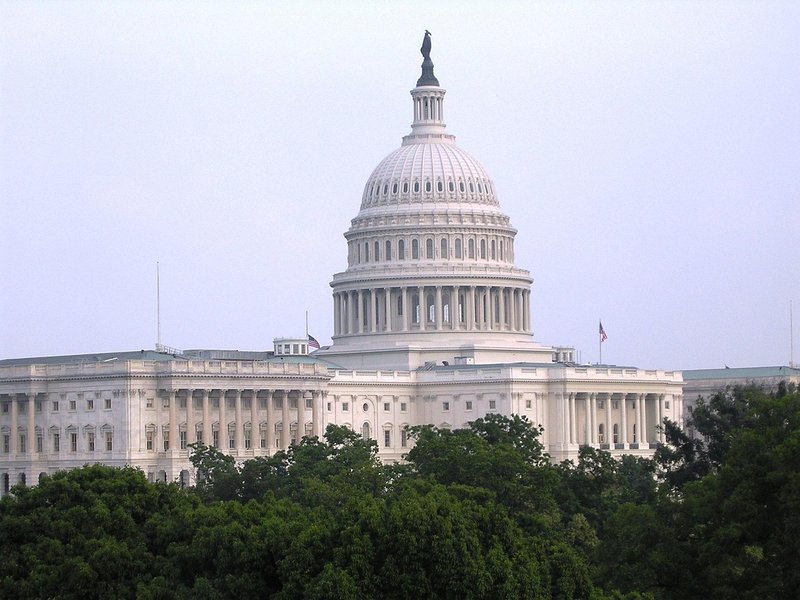

Australia opens all eight free contraception centres, with IUD pain relief
 By Vikram JoshiLife Balance Correspondent, Peepals Shakti
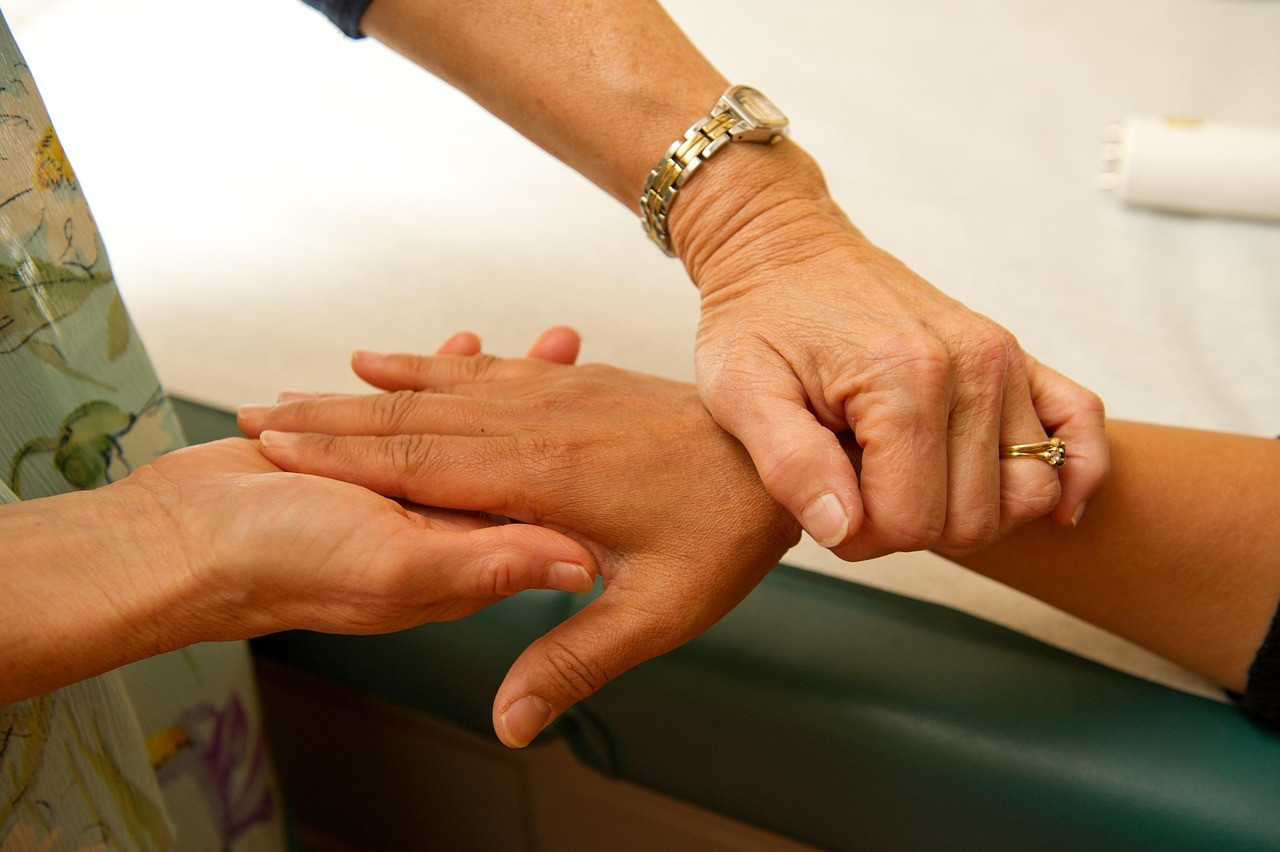
Representative image: Jmforbesnd / Pixabay
Australia said on 5 November 2026 all eight LARC Centres of Excellence are open, giving women free contraceptive advice and free IUD and implant fitting.
What Happened
Australia's federal government said on Thursday, 5 November 2026 that all eight of its national Centres of Excellence for long-acting reversible contraception (LARC) are now open, one in every state and territory. Assistant Minister Rebecca White marked the launch at a press conference in Sydney. The centres give women free advice on contraceptive options and free insertion and removal of intrauterine devices (IUDs) and contraceptive implants, with pain relief options discussed as part of the visit.
Key Facts
- The network has eight centres, one in each Australian state and territory, delivered through eight Primary Health Networks, the regional bodies that organise local health services.
- Services include free advice on contraception and free insertion and removal of IUDs and implants, according to the government.
- The government has put $25.6 million into setting up the eight centres, as part of a $792.9 million women's health package.
- Family Planning Australia runs the New South Wales centre; in South Australia, Country SA PHN commissioned SHINE SA to deliver it.
- The centres also run outreach services and practical training for health professionals in regional and remote areas.
- The health department says LARC methods are more than 99% effective, and that some also help with heavy bleeding, period pain and endometriosis.
Why It Matters
Long-acting reversible contraception means methods that work for years once fitted but can be removed whenever a woman chooses. The two main kinds are the IUD, a small device placed in the uterus, and the implant, placed under the skin. Australia's health department says these methods are more than 99% effective.
The minister has described pain during IUD insertion as a major reason many women hold back, and the new centres are designed around that problem: in a radio interview in September, White said no referral is needed and that insertion, removal and pain relief are provided free. In June, when the plan was announced, it was described as bulk billed, with no charge to patients.
For women balancing work, study and family, this kind of service matters because it reduces the number of appointments and costs needed to manage contraception and some period-related conditions. The training arm may matter as much as the clinics: by teaching more doctors and nurses in regional and remote areas to fit IUDs and implants, the scheme aims to make the service available beyond the eight sites.
For readers elsewhere, including in India, the Australian model is notable for treating pain management and free removal as part of the service, not as extras. Whether the centres change how many women choose LARC will only be known once usage figures are published.
Peepals calculation: $25.6 million spread across eight centres works out to about $3.2 million per centre ($25.6m ÷ 8 = $3.2m), and the LARC centres make up about 3.2% of the $792.9 million women's health package ($25.6m ÷ $792.9m ≈ 0.032). Our calculation from the reported figures.
Peepals timeline: In June 2026 the government announced the centres and said they were expected to be operating within six months. In September, White described a no-referral, free service. On Thursday, 5 November 2026 she held the Sydney launch press conference, and the government said all eight centres were open.
Impact
Short-term: Women in every Australian state and territory can now walk into a centre for free contraceptive advice and IUD or implant fitting, without a referral, according to the government.
Long-term: The outreach and training programme could widen the number of clinicians able to fit and remove LARC methods in regional and remote areas, where access has been hardest.
Who is affected: Women of reproductive age in Australia, including Indian students and workers living there, general practitioners and nurses who take up the training, and the Primary Health Networks running the centres.
Key Takeaway
All eight of Australia's LARC Centres of Excellence opened by 5 November 2026, offering women free contraceptive advice and free IUD and implant fitting and removal, backed by $25.6 million in federal funding.
Questions and Answers
What are Australia's LARC Centres of Excellence?
They are eight federally funded clinics, one in each state and territory, that offer free advice on contraception and free insertion and removal of IUDs and contraceptive implants, and that train health professionals in regional and remote areas.
Do women need a referral or have to pay?
According to the minister, no referral is needed, and insertion, removal and pain relief are provided free of charge.
How much is the government spending on the centres?
The government has committed $25.6 million to set up the eight centres, as part of a $792.9 million women's health package, which works out to about $3.2 million per centre.
Why does pain relief feature in the scheme?
The minister has said pain during IUD insertion has been a major barrier for many women, so the centres discuss pain relief options as part of each fitting.
Disclaimer: Prepared by the Peepals newsroom from publicly available sources with AI assistance. Information is accurate to the best of our knowledge at the time of publication and may change. Images may be representative. Not professional advice. Report an error via our contact page.
By Vikram Joshi, Life Balance CorrespondentCovers Life Balance and more for Peepals Shakti. All stories by Vikram Joshi
Get the day's stories in your inbox
Peepals Weekly: the week decoded, free. One email a week, unsubscribe in one click.
Vikram Joshi is a pen name of the Peepals Global Editorial Team, which researches, fact-checks and publishes every story. The portrait is an illustration.