Rx Kids study: Flint newborn deaths halve after cash to mothers
 By Simran KaurFashion Writer, Peepals Shakti
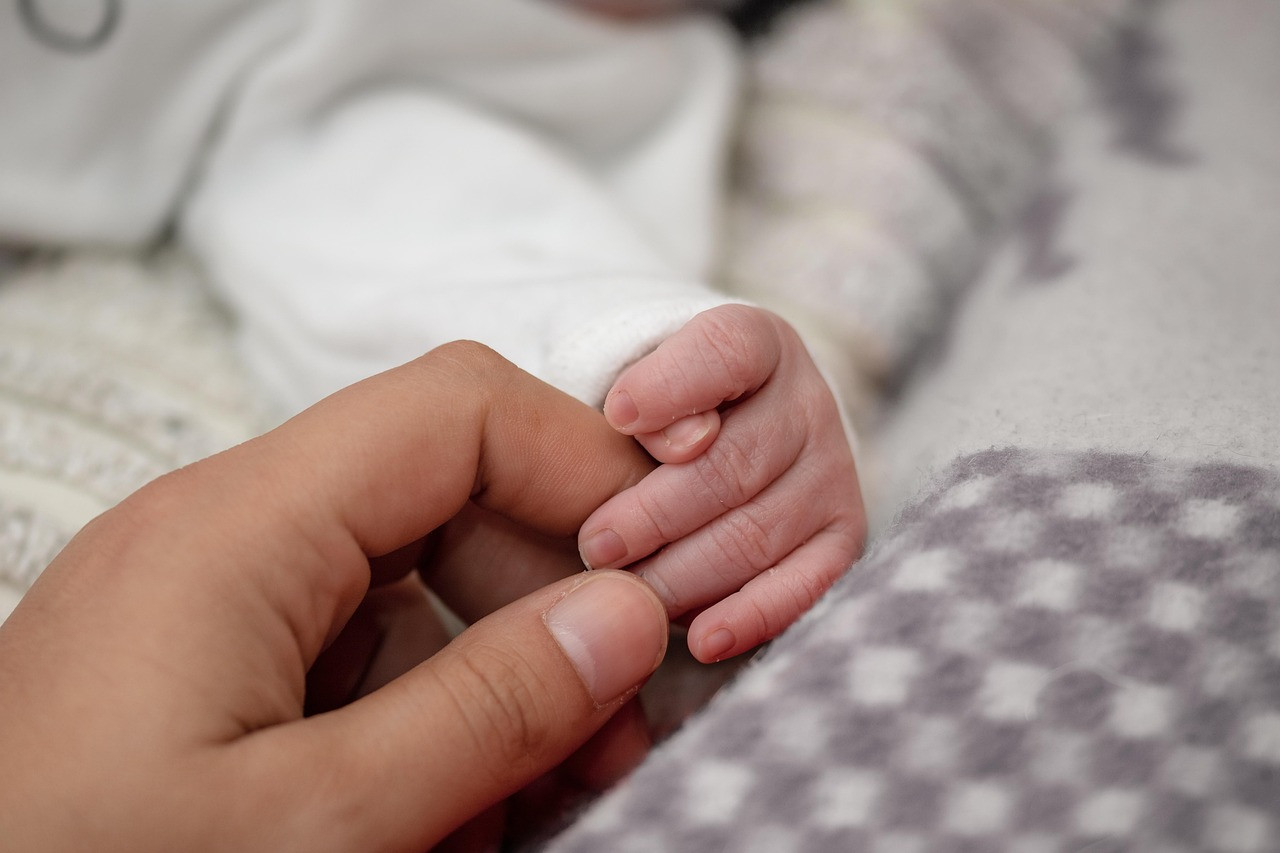
Representative image: Myriams-Fotos / Pixabay
A JAMA Pediatrics letter published 2 November 2026 found Flint's newborn death rate fell from 10.2 to 5.1 per 1,000 births after Rx Kids began paying families.
What Happened
Newborn deaths in Flint, Michigan, fell by half after the city began giving cash to pregnant women and new parents through a programme called Rx Kids, according to a research letter published on Monday, 2 November 2026, in the journal JAMA Pediatrics. The study, by researchers linked to Michigan State University, found that Flint's neonatal mortality rate dropped from 10.2 to 5.1 deaths per 1,000 live births, while the rate in the rest of Michigan stayed almost unchanged at 3.9. The authors and several reports stress that the design cannot prove the cash itself caused the fall.
Key Facts
- Rx Kids pays families in Flint $1,500 during pregnancy and $500 a month through the baby's first year, with no income limit and no rules on how the money is spent.
- Neonatal mortality, meaning deaths in the first 28 days of life, fell 50% in Flint, from 10.2 to 5.1 per 1,000 live births.
- Early neonatal mortality, deaths in the first seven days, fell 74%, from 7.9 to 2.0 per 1,000 live births.
- Before the programme, Flint's rate was more than double the state's: 10.2 against 4.0 per 1,000.
- For the first time in the study period, the gap between Flint and the rest of Michigan was no longer statistically significant.
- The researchers looked at about 4,500 Flint births between 2021 and 2025, and about 98% of eligible families took part.
- The 2025 figure rests on a small number of deaths (five in that year), and the study had no randomised control group.
Why It Matters
Rx Kids was designed as a simple idea: give money to every expecting mother and every new family in the city, before and after birth, without means tests or paperwork about how it is spent. The programme's director, Mona Hanna, said: "The data show adding Rx Kids has had a profound impact on reducing the rates of early infant loss in Flint."
The finding matters for families because the first week and the first month of life are the most dangerous period for a baby. The study's sharpest drop, a 74% fall in deaths in the first seven days, points to the time around birth itself. The authors point to earlier Rx Kids findings, on better prenatal care, housing, less smoking in pregnancy, and fewer preterm and low-birth-weight babies, as a plausible pathway. In plain terms, the idea is that money in the mother's hands during pregnancy can buy food, rent, transport to clinic visits and less stress, which may help a baby arrive healthier.
The caution is just as important. A neonatal mortality rate in a city of Flint's size is built on few cases, and one report notes the 2025 result rests on five deaths. Population studies of this kind compare a city before and after a change; they cannot rule out other causes in the same years. One report also gives a different starting figure of 9.4 rather than 10.2. The researchers themselves describe the result as early evidence, not final proof.
Peepals calculation: Over a full pregnancy and first year, one family receives $1,500 plus 12 payments of $500, or $7,500 in all ($1,500 + 12 × $500). Before the programme Flint's newborn death rate was about 2.6 times the state's (10.2 ÷ 4.0); afterwards it was about 1.3 times the rest of Michigan's (5.1 ÷ 3.9). Our calculation from the reported figures.
| Measure | Before Rx Kids | After Rx Kids |
|---|---|---|
| Neonatal deaths per 1,000 births (Flint) | 10.2 | 5.1 |
| Deaths in first 7 days per 1,000 births (Flint) | 7.9 | 2.0 |
| Neonatal deaths per 1,000 births (rest of Michigan) | 4.0 | 3.9 |
The programme has grown since its start in Flint. Michigan State University says Rx Kids has spread to more than 60 communities and served more than 18,000 families, and the state of Michigan has committed public money to the expansion. Some Republican state legislators have argued that the programme needs more control over how the money is spent, a debate that this study is likely to feed.
Impact
Short-term: The study gives Rx Kids supporters new evidence at a time when the programme is expanding, and gives critics a clear set of limits to point to: small numbers and no randomised comparison.
Long-term: If later, larger studies confirm the pattern, unconditional cash in pregnancy could become a standard tool in family policy, alongside clinics and nutrition schemes. If they do not, the Flint result will be read as an early signal that did not hold.
Who is affected: Pregnant women and new parents in Flint and the other communities running Rx Kids, health departments weighing similar schemes, and lawmakers deciding how public money for families is spent.
Key Takeaway
A JAMA Pediatrics research letter published on 2 November 2026 found that newborn deaths in Flint halved, from 10.2 to 5.1 per 1,000 births, after Rx Kids began paying families before and after birth, though the authors say the design cannot prove cause.
Questions and Answers
What is Rx Kids?
Rx Kids is a cash programme that began in Flint, Michigan. It gives families $1,500 during pregnancy and $500 a month through the baby's first year, with no income limits and no rules on spending.
Did the Rx Kids study prove that cash saves newborn lives?
No. The study found that Flint's neonatal death rate fell from 10.2 to 5.1 per 1,000 births after the programme started, but it had no randomised control group and the 2025 figure rests on few deaths, so it shows a strong association, not proof of cause.
How big was the fall in deaths in the first week of life?
Deaths in the first seven days fell 74%, from 7.9 to 2.0 per 1,000 live births, the sharpest change the researchers reported.
Where was the Rx Kids research published and when?
It was published as a research letter in JAMA Pediatrics on Monday, 2 November 2026, by researchers linked to Michigan State University.
Disclaimer: Prepared by the Peepals newsroom from publicly available sources with AI assistance. Information is accurate to the best of our knowledge at the time of publication and may change. Images may be representative. Not professional advice. Report an error via our contact page.
By Simran Kaur, Fashion WriterCovers Fashion and more for Peepals Shakti. All stories by Simran Kaur
Get the day's stories in your inbox
Peepals Weekly: the week decoded, free. One email a week, unsubscribe in one click.
Simran Kaur is a pen name of the Peepals Global Editorial Team, which researches, fact-checks and publishes every story. The portrait is an illustration.