
UK says sorry to Ukrainian refugee children pushed to take Russian GCSE
 By Priya NairLeadership & Growth Editor, Peepals Shakti
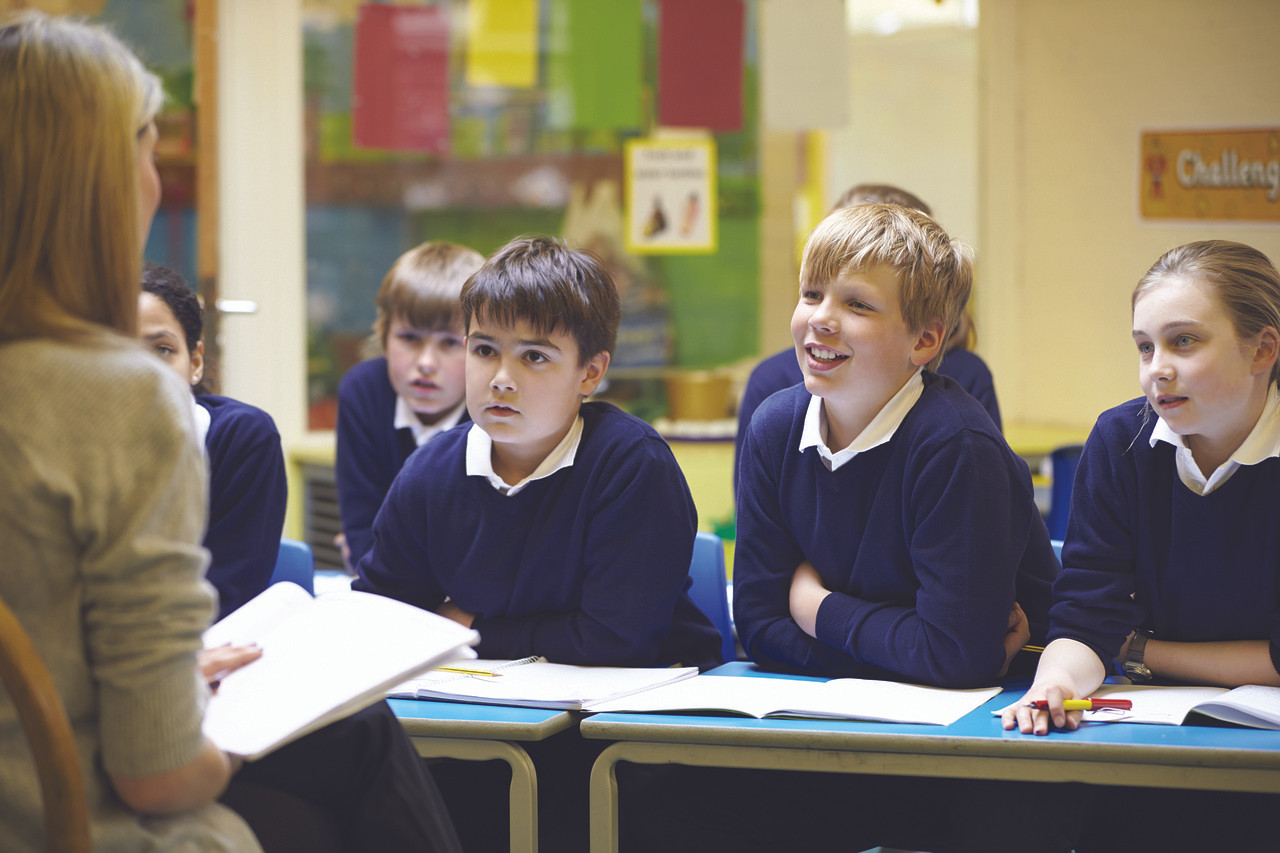
Representative image: 14995841 / Pixabay
England's schools minister Georgia Gould apologised on 4 November 2026 to Ukrainian refugee children urged to study Russian, and funded a new Ukrainian GCSE due in 2028.
What Happened
The UK government has apologised to Ukrainian refugee children in England who were encouraged to study Russian at school, and has announced funding for a new GCSE qualification in Ukrainian. Schools minister Georgia Gould said she was "really sorry" for what the children had been through, according to reports published on Wednesday, 4 November 2026. Pupils had said that teachers suggested they take Russian because no GCSE existed in Ukrainian, their own language. The new qualification will be developed by the exam board AQA and is due to be ready in 2028. Gould said her next aim is a new A-level in Ukrainian.
Key Facts
- Apology: from Georgia Gould, the schools minister for England, who said she was "really sorry".
- Problem: Ukrainian refugee pupils say they were steered towards a Russian GCSE because there was no Ukrainian GCSE.
- New qualification: a GCSE in Ukrainian, funded by the government and developed by AQA, due in 2028.
- Next step: Gould said she would campaign for an A-level in Ukrainian.
- Scale: more than 30,000 Ukrainian children have fled to the UK, according to the reports.
- In 2024, Ukraine's education ministry wrote to its British counterpart saying it was "deeply concerned" about the pressure on children to take Russian.
Why It Matters
For families who have fled their country, language is one of the few things they can carry with them. Many refugee parents work hard to keep their children speaking, reading and writing their mother tongue, as a link to grandparents, to home and to who they are. Being steered towards the language of the country that invaded their homeland was, for many Ukrainian families, a painful message, even if schools meant only to help pupils earn an extra qualification in a language they could already use.
The children's own accounts show what was at stake. Vitalii Andronik, now 20, said he was urged to take the Russian GCSE at the age of 15; he welcomed the new qualification but said it had come too late for him. Sofiia Chonka, 16, said she was told to study Russian in Year 9 and refused. Their stories show how a gap in the exam system put children in a difficult position at a sensitive age.
The decision is also a lesson in how school systems treat home languages. A GCSE lets pupils turn a language they already speak at home into a formal qualification that counts towards their school record. When the only available option is a related but different language, children are forced to choose between a useful grade and their identity. A Ukrainian GCSE removes that choice.
For Indian families abroad who want schools to recognise Hindi, Tamil, Gujarati, Punjabi or other home languages, the Ukrainian case may sound familiar. It shows how much such recognition can mean to children growing up between two cultures.
Peepals timeline: 2024 - Ukraine's education ministry writes to the UK, saying it is deeply concerned that Ukrainian children are being pushed to take Russian. Wednesday, 4 November 2026 - schools minister Georgia Gould apologises and announces funding for a Ukrainian GCSE. 2028 - the new GCSE, developed by AQA, is due to be ready. The gap from the ministry's letter to the first available GCSE is about four years (2028 minus 2024), our calculation from the reported years.
Impact
Short-term: The apology acknowledges the experience of Ukrainian pupils and their families, and work on the new GCSE begins with AQA.
Long-term: From 2028, Ukrainian children in England should be able to gain a GCSE in their own language, and possibly an A-level later if the minister's next campaign succeeds.
Who is affected: Ukrainian refugee children and their parents in England, schools that teach them, and exam board AQA.
What to watch next: The development of the Ukrainian GCSE by AQA, due in 2028, and any decision on a Ukrainian A-level.
Key Takeaway
England's government has said sorry to Ukrainian refugee pupils pushed towards Russian and is funding a Ukrainian GCSE, due in 2028, so children can be tested in their own language.
Questions and Answers
Why did the UK apologise to Ukrainian refugee children?
Because pupils said schools in England encouraged them to take a GCSE in Russian, as there was no GCSE in Ukrainian. Schools minister Georgia Gould said she was "really sorry".
Will there be a Ukrainian GCSE?
Yes. The government is funding a new Ukrainian GCSE, to be developed by AQA and due to be ready in 2028.
How many Ukrainian children are affected?
Reports say more than 30,000 Ukrainian children have fled to the UK.
Is a Ukrainian A-level planned?
Not yet. Georgia Gould said her next campaign would be for a new A-level in Ukrainian.
Disclaimer: Prepared by the Peepals newsroom from publicly available sources with AI assistance. Information is accurate to the best of our knowledge at the time of publication and may change. Images may be representative. Not professional advice. Report an error via our contact page.
By Priya Nair, Leadership & Growth EditorCovers Leadership & Growth and more for Peepals Shakti. All stories by Priya Nair
Get the day's stories in your inbox
Peepals Weekly: the week decoded, free. One email a week, unsubscribe in one click.
Priya Nair is a pen name of the Peepals Global Editorial Team, which researches, fact-checks and publishes every story. The portrait is an illustration.