
Zero to Three parenting survey 2026: 56% reject physical discipline they got
 By Simran KaurFashion Writer, Peepals Shakti

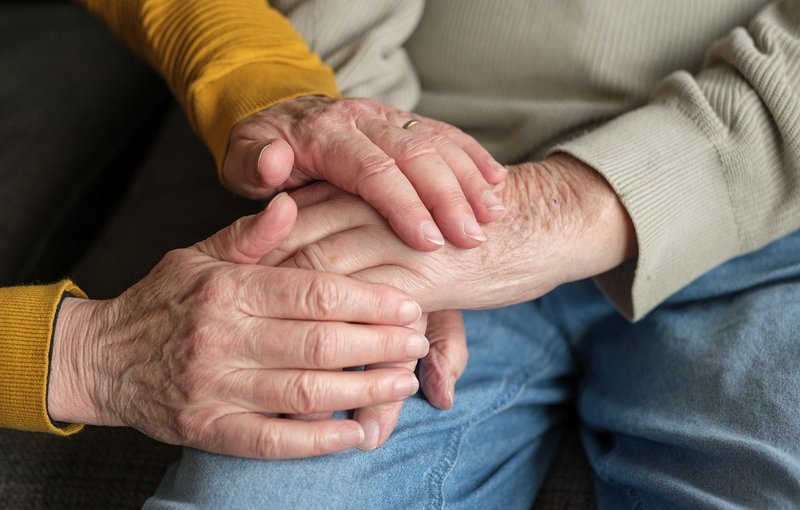
Representative image: satyatiwari / Pixabay
Zero to Three's survey of 2,200 US parents of young children, released 4 November 2026, finds more affection and less fear-based discipline than in 2015.
What Happened
Parents of young children are warmer, less harsh and far less likely to copy their own parents than a decade ago, according to a national parenting survey released by the US non-profit Zero to Three on Wednesday, 4 November 2026. The survey, called First Voice, asked 2,200 parents of children aged five and under about how they raise their children, and compared many of the answers with a similar survey the group ran in 2015. More than half of the parents, 56%, said their own parents had used physical discipline on them but that they would not do the same with their children.
Key Facts
- Survey: First Voice, Zero to Three's national parenting survey, released on 4 November 2026; Zero to Three says the fieldwork was done by the Loran Group.
- Sample: 2,200 parents of children aged five and under, according to Zero to Three.
- Physical discipline: 56% said their parents used it on them but they will not use it themselves.
- Affection: 61% said they tell their children "I love you" more often than their parents did.
- Fear: 23% said it is acceptable for a child to fear them as long as the child behaves, down from 30% in 2015.
- Stress: 56% called parenting their biggest challenge, down from 73% in 2015; 33% said they struggle to pay for basics such as food and rent.
- Guidance: about one in three parents look to "the way my parents raised me" for guidance, against seven in ten in 2015; 18% typically use AI for parenting advice.
Why It Matters
The survey captures a generational turn in how parents think about discipline and closeness. Its central message is that today's parents of babies and toddlers want a different relationship with their children from the one they had with their own parents: more open affection, more emotional support and less control through fear. Zero to Three describes the change as a move towards more thoughtful, engaged and empathetic parenting.
The fall in parents who lean on their own upbringing is the sharpest change in the data. In 2015, seven in ten parents said they looked to the way they were raised for guidance. In 2026 only about one in three did. Parents are instead drawing on a much larger pool of advice, and that brings its own problem: 55% said there is so much parenting information that it is hard to know whom to trust. Artificial intelligence has now entered that mix, with 18% of parents saying they typically use AI tools for parenting advice or information, and most of that group finding it helpful.
The findings on stress are mixed. Fewer parents now call parenting their single biggest challenge, but a third say they struggle to pay for food and rent. That combination suggests that money worries, not the work of raising a child, weigh most heavily on many young families.
The survey is American, and its numbers describe parents in the United States. But the questions it asks are familiar to families everywhere, including in India, where many parents also weigh the strict discipline of their own childhood against newer ideas about gentle parenting and where advice now arrives through social media and apps as much as from grandparents.
Peepals calculation: the share of parents who accept a child's fear fell by 7 percentage points (30% to 23%), a relative fall of about 23% (7 ÷ 30 ≈ 0.23). Those who call parenting their biggest challenge fell by 17 points (73% to 56%), also about 23% in relative terms (17 ÷ 73 ≈ 0.23). And 76% of the 18% who use AI found it helpful, which works out to roughly 14% of all parents surveyed (0.18 × 0.76 ≈ 0.137). Our calculation from the reported figures.
| Measure | 2015 | 2026 |
|---|---|---|
| OK for a child to fear parent if child behaves | 30% | 23% |
| Parenting is my biggest challenge | 73% | 56% |
| Look to how my parents raised me | about 70% | about 33% |
Impact
Short-term: The figures give child-development groups, paediatricians and parenting programmes fresh evidence of what young parents want: trustworthy information and support, not just rules.
Long-term: If the shift away from fear-based and physical discipline holds, it may change how a whole generation of children experiences early childhood, an outcome that researchers will be able to test against later surveys.
Who is affected: Parents of children under six, grandparents whose methods are being set aside, and the services and apps that give parents advice.
Key Takeaway
A 2026 survey of 2,200 American parents of young children finds a clear move towards more affection and less fear-based discipline, with far fewer parents copying their own upbringing.
Questions and Answers
What did the Zero to Three parenting survey 2026 find?
Released on 4 November 2026, it found that 56% of parents of children aged five and under say their parents used physical discipline on them but they will not, 61% say "I love you" more often than their parents did, and only 23% think it is fine for a child to fear them.
How has parenting changed since 2015, according to the survey?
Fewer parents accept a child's fear (23% against 30%), fewer call parenting their biggest challenge (56% against 73%), and only about one in three look to their own upbringing for guidance, against seven in ten in 2015.
Do parents use AI for parenting advice?
Yes, some do. The survey found 18% typically use AI for parenting advice or information, and 76% of them found it helpful.
Does the survey cover Indian parents?
No. It surveyed parents in the United States. Its questions on discipline, affection and advice are relevant to families elsewhere, but its numbers apply only to American parents.
Disclaimer: Prepared by the Peepals newsroom from publicly available sources with AI assistance. Information is accurate to the best of our knowledge at the time of publication and may change. Images may be representative. Not professional advice. Report an error via our contact page.
By Simran Kaur, Fashion WriterCovers Fashion and more for Peepals Shakti. All stories by Simran Kaur
Katherine Clark seeks to be first woman House majority leader
Madras High Court: father cannot take child from mother by force
Get the day's stories in your inbox
Peepals Weekly: the week decoded, free. One email a week, unsubscribe in one click.
Simran Kaur is a pen name of the Peepals Global Editorial Team, which researches, fact-checks and publishes every story. The portrait is an illustration.