
Child taken to Russia: Supreme Court tells Centre video call not enough
 By Vikram JoshiLife Balance Correspondent, Peepals Shakti

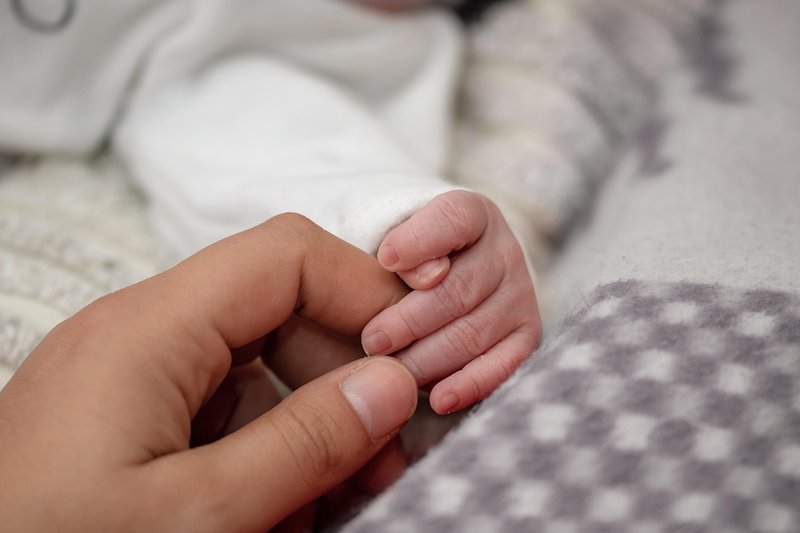
Representative image: SamuelFJohanns / Pixabay
On 3 November 2026 the Supreme Court directed the Centre to bring back a boy taken to Russia by his mother from the court's custody, saying a video call would not do.
What Happened
The Supreme Court of India on Tuesday, 3 November 2026, directed the Centre to take steps to bring back a young boy who was taken to Russia by his Russian mother while he was in the court's own custody. A bench of Justices Dipankar Datta and Sheel Nagu said a video call between the child and his Indian father was not a substitute for his return, and remarked that the court's dignity was at stake. The bench asked the Attorney General for India, the Solicitor General and all Additional Solicitors General to help bring the child back into its custody.
Key Facts
- The order was passed on Tuesday, 3 November 2026, by a bench of Justices Dipankar Datta and Sheel Nagu.
- The case arises from a custody dispute between an Indian father and a Russian mother over their son.
- The child had been placed in the Supreme Court's custody before the mother allegedly left India with him through Nepal and travelled to Russia.
- Through diplomatic channels, a video call had been proposed between the child in Russia and the father in India, so that the father could be satisfied the boy was safe.
- Justice Datta rejected that as the answer, saying, "No video call business will do."
- The court sought the assistance of the Attorney General, the Solicitor General and all Additional Solicitors General to secure the child's return.
- In July 2025, the Centre had told the court that the woman appeared to have left the country with the minor through the Nepal border, possibly reaching Russia via Sharjah.
Why It Matters
Most custody disputes end with a court deciding which parent the child lives with. This case is different because the court had already taken the child into its own protection. When a court acts as the guardian of a child, under the principle known as parens patriae, it takes on responsibility for the child's welfare in place of the parents. The bench's point on 3 November was that the child was not simply taken from one parent; he was taken out of the court's custody. That is why it described the matter as one about its own dignity, and why it refused to treat a video link as enough.
The case also shows how hard it is to enforce a custody order once a child crosses a border. An Indian court's order has no direct force in another country. Getting a child back depends on the other government's cooperation and on diplomatic contacts. By bringing in the country's senior law officers, the court has made the case a matter for the government's top legal team, not only for the two families.
For families, the case is a reminder of the strain that cross-border marriages can face when they break down. Parents from two countries may each look to their own country's courts and authorities. Children can end up far from one parent, with contact reduced to calls and messages.
The case also raised questions about how the child was able to leave. When the Centre first told the court about the departure in July 2025, the court called the situation unacceptable, and it also criticised the Delhi Police for negligence.
Peepals timeline: The court had placed the boy in its custody during the parents' custody dispute. In July 2025, the Centre informed the court that the mother appeared to have left India with the child through Nepal and might have reached Russia through Sharjah. At a later hearing, the court asked the Centre to try to connect the father with the child virtually. On 3 November 2026, the bench of Justices Datta and Nagu said a video call would not do and directed the Centre to work for the child's return to its custody.
Impact
Short-term: The Centre and its senior law officers must now report what steps they have taken to bring the boy back. The father's contact with his son remains limited while the child is in Russia.
Long-term: The outcome will show how far an Indian court's custody order can be enforced when a child is taken abroad, and how the government handles such cases through diplomatic channels.
Who is affected: The child and both parents most directly; the Centre and the government's law officers, who must act on the order; and other families in cross-border custody disputes, who will watch how the case is handled.
Key Takeaway
On 3 November 2026, the Supreme Court told the Centre that a video call was not enough and directed it, with the help of the Attorney General and Solicitor General, to bring back a boy taken to Russia from the court's own custody.
Questions and Answers
What did the Supreme Court order on 3 November 2026 in the child taken to Russia case?
A bench of Justices Dipankar Datta and Sheel Nagu directed the Centre to take steps to bring back a boy taken to Russia by his mother while he was in the court's custody, and sought the help of the Attorney General, Solicitor General and Additional Solicitors General.
Why did the court refuse a video call between the father and the child?
The bench said the real issue was that the child had been taken out of the Supreme Court's own custody. Justice Datta said, "No video call business will do," and the court remarked that its dignity was at stake.
How did the child leave India?
In July 2025, the Centre told the court that the Russian mother appeared to have left India with the boy through the Nepal border and might have reached Russia through Sharjah.
What does it mean that the child was in the court's custody?
It means the court itself had taken responsibility for the child's welfare during the custody dispute, acting as the child's guardian. Removing him therefore defied the court's own order, not only the other parent's rights.
Disclaimer: Prepared by the Peepals newsroom from publicly available sources with AI assistance. Information is accurate to the best of our knowledge at the time of publication and may change. Images may be representative. Not professional advice. Report an error via our contact page.
By Vikram Joshi, Life Balance CorrespondentCovers Life Balance and more for Peepals Shakti. All stories by Vikram Joshi
Tumwater four-day week: 28 city staff trade pay rises for time off
Pia Dandiya wins Florida's 22nd District, first South Asian from the state
Get the day's stories in your inbox
Peepals Weekly: the week decoded, free. One email a week, unsubscribe in one click.
Vikram Joshi is a pen name of the Peepals Global Editorial Team, which researches, fact-checks and publishes every story. The portrait is an illustration.