
Vitamin K deficiency bleeding: newborn shot refusals double, US studies find
 By Simran KaurFashion Writer, Peepals Shakti
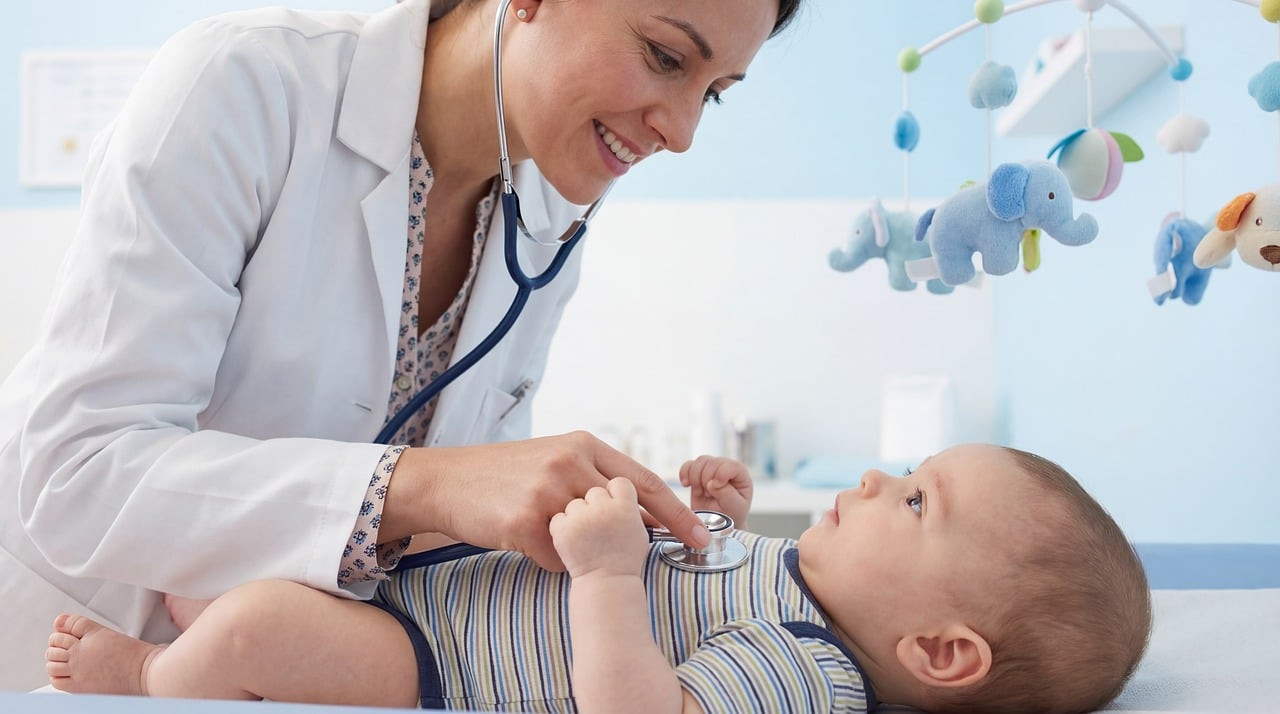
Representative image: TungArt7 / Pixabay
Two US studies published 5 November 2026 found newborn vitamin K shot refusals rose from 3.1% to 6.8% since 2017, as infant deficiency bleeding diagnoses rose 347%.
What Happened
Two large US studies published on Thursday, 5 November 2026 found that more parents are declining the vitamin K injection routinely given to newborns, and that vitamin K deficiency bleeding in infants has risen sharply over the same years. A study in the journal JAMA, led by researchers at Children's Hospital of Philadelphia, followed more than 5.2 million infants and found that the share of newborns who did not receive the shot more than doubled, from 3.1% in 2017 to 6.8% in 2025. A companion research letter in JAMA Pediatrics, from a team at Children's Hospital of Richmond at VCU, used records of more than 11 million infants and found that diagnoses of vitamin K deficiency bleeding rose from 24.0 to 107.4 per 100,000 infants between 2017 and 2025.
Key Facts
- The JAMA study covered more than 5.2 million US infants born between 2017 and 2025.
- Newborns not receiving the vitamin K shot rose from 3.1% in 2017 to 6.8% in 2025.
- After adjustment, not receiving the shot was linked to a 47% higher risk of bleeding in the first six months of life; 2.9% of infants without the shot had a bleeding event, against 1.9% of those who received it.
- Recorded bleeding inside the skull was 33 per 10,000 births among infants without the shot and 13 per 10,000 among those who received it.
- The JAMA Pediatrics letter, based on more than 11 million infants, reported that receipt of the shot fell from 97.7% to 95% between 2017 and 2025.
- In the same data, diagnosed vitamin K deficiency bleeding rose 347%, from 24.0 to 107.4 per 100,000 infants.
- The studies show an association, not proof that refusals caused the rise; bleeding also increased among infants who did receive vitamin K, the researchers reported.
Why It Matters
Vitamin K is needed for blood to clot, and the injection given shortly after birth is meant to prevent vitamin K deficiency bleeding, which in its most serious form can mean bleeding inside a baby's skull. The new studies are among the largest to measure how often families now decline that injection, and what has happened to bleeding rates as they do.
According to reporting on the studies, parents who declined the shot most often cited worries about the pain of the injection, possible side effects and doubts that it is needed. The researchers have also noted gaps in the data: births at home and in birth centres, where refusals are thought to be highest, are largely missing from hospital records, and the US Centers for Disease Control and Prevention does not track refusals or bleeding nationally.
For families, the studies are a reminder that decisions taken in the first hours of a baby's life are often made quickly, in a tired and emotional moment, and that the evidence behind routine newborn care is worth discussing with the doctor or midwife well before the birth. The research does not give individual advice; it describes risks across millions of births.
Peepals calculation: the share of newborns not given the shot rose about 2.2 times (6.8 ÷ 3.1 ≈ 2.19), while diagnosed vitamin K deficiency bleeding rose about 4.5 times (107.4 ÷ 24.0 ≈ 4.48, the reported 347% increase). Among infants without the shot, bleeding inside the skull was about 2.5 times as common (33 ÷ 13 ≈ 2.54), and the crude difference in any bleeding event was one extra case per 100 infants (2.9% against 1.9%). Our calculation from the reported figures.
| Measure | 2017 | 2025 |
|---|---|---|
| Newborns not given vitamin K (JAMA study) | 3.1% | 6.8% |
| Newborns given vitamin K (JAMA Pediatrics letter) | 97.7% | 95% |
| Vitamin K deficiency bleeding per 100,000 infants | 24.0 | 107.4 |
Impact
Short-term: The studies give paediatricians, midwives and hospitals in the United States fresh national numbers to use when parents ask about the newborn injection. An accompanying JAMA editorial focused on how doctors communicate the risk of declining it.
Long-term: The data gaps the researchers describe, especially for home and birth-centre births and the lack of national tracking, mean the full picture is not yet known; how refusal rates move in the coming years will be watched closely by doctors.
Who is affected: Newborns and their parents, especially families who plan home or birth-centre deliveries; paediatricians, obstetricians, midwives and nurses who discuss the injection before and after birth; and public health agencies.
Key Takeaway
Two US studies of millions of infants, published on 5 November 2026, link a doubling of newborn vitamin K shot refusals since 2017 to a higher risk of infant bleeding, while stressing that the data show an association, not proof of cause.
Questions and Answers
What is vitamin K deficiency bleeding?
It is bleeding in a baby linked to too little vitamin K, which the body needs for blood to clot. In its most serious form it can mean bleeding inside the skull. The vitamin K injection given shortly after birth is meant to prevent it.
What did the new vitamin K studies find?
A JAMA study of more than 5.2 million US infants found that newborns not given the shot rose from 3.1% in 2017 to 6.8% in 2025, and that not getting it was linked to a 47% higher risk of bleeding in the first six months. A JAMA Pediatrics letter on more than 11 million infants found deficiency bleeding diagnoses rose from 24.0 to 107.4 per 100,000.
Do the studies prove that refusing the shot caused more bleeding?
No. Both studies show an association. The researchers reported that bleeding also rose among infants who did receive vitamin K, and that home and birth-centre births are largely missing from the data.
Why do some parents decline the vitamin K shot?
According to reporting on the studies, parents most often mentioned the pain of the injection, worries about side effects and doubts that it is necessary.
Disclaimer: Prepared by the Peepals newsroom from publicly available sources with AI assistance. Information is accurate to the best of our knowledge at the time of publication and may change. Images may be representative. Not professional advice. Report an error via our contact page.
By Simran Kaur, Fashion WriterCovers Fashion and more for Peepals Shakti. All stories by Simran Kaur
Saba Haider, schooled in Ghaziabad, wins Illinois House seat with 71%
e.l.f. Beauty sales jump 51% as rhode adds 16 points; outlook raised
Get the day's stories in your inbox
Peepals Weekly: the week decoded, free. One email a week, unsubscribe in one click.
Simran Kaur is a pen name of the Peepals Global Editorial Team, which researches, fact-checks and publishes every story. The portrait is an illustration.