

Retatrutide beats Ozempic on weight and A1C in Lilly's head-to-head trial
 By Vikram JoshiLife Balance Correspondent, Peepals Shakti
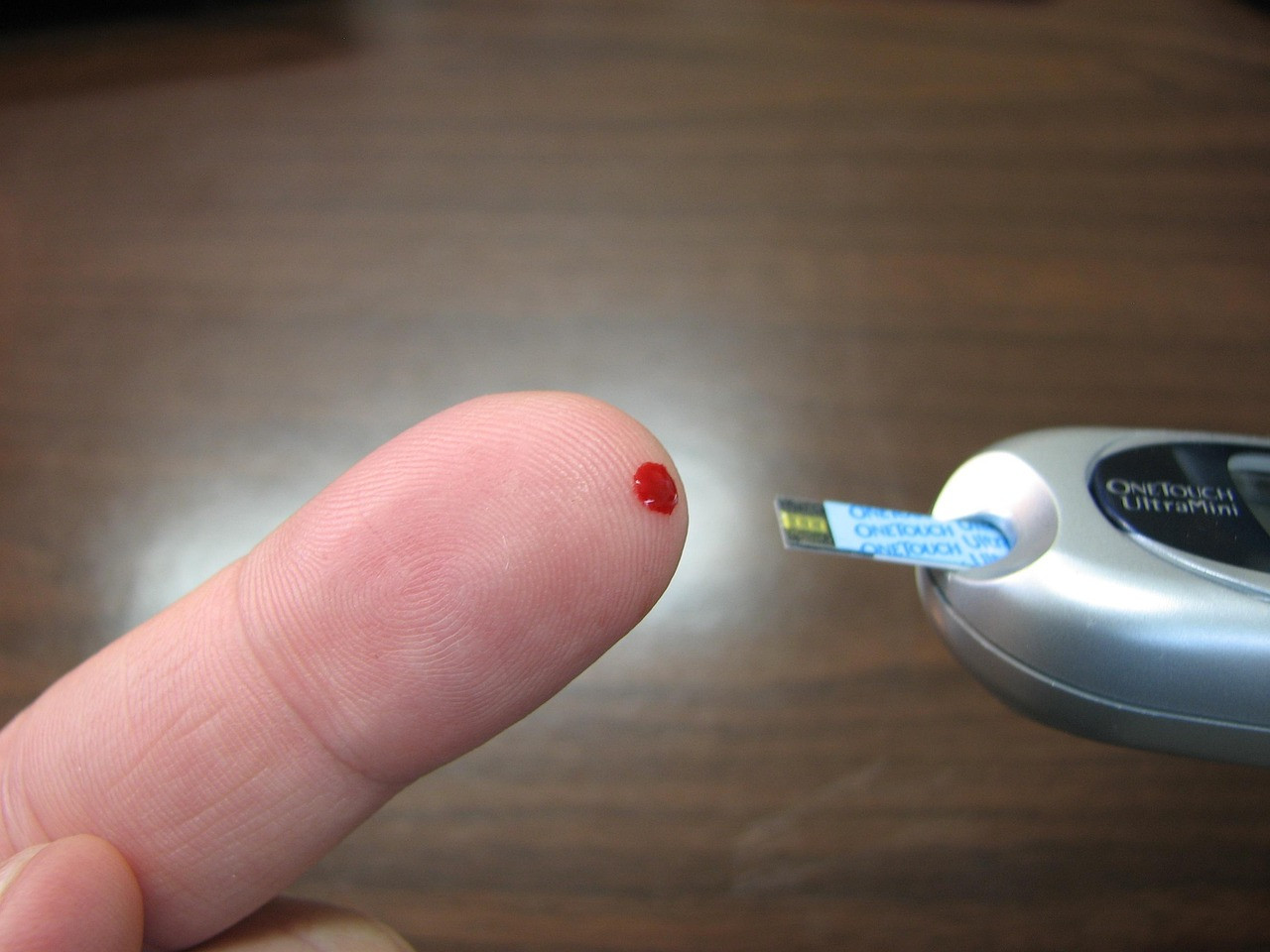
Representative image: peejhunt / Pixabay
Lilly says retatrutide cut weight 20-21% versus 9% for Ozempic and lowered A1C more in an 80-week type 2 diabetes trial, October 28, 2026.
What Happened
Eli Lilly's experimental drug retatrutide helped adults with type 2 diabetes lose more than twice as much weight as Ozempic, and lowered their blood sugar further, in the first head-to-head trial between the two, the company said on October 28, 2026. In the phase 3 TRANSCEND-T2D-2 study of 1,298 adults, people on retatrutide lost an average of 20% to 21% of their body weight over 80 weeks, against 9% for those on the highest approved dose of Ozempic, 2 mg. The trial results, the topic behind searches for "Ozempic versus retatrutide A1C study", come from Lilly's own announcement; the full data have not yet been published in a journal. Retatrutide is not approved anywhere, and Lilly says it plans to apply to the US Food and Drug Administration in early 2027.
Key Facts
- The TRANSCEND-T2D-2 trial enrolled 1,298 adults with type 2 diabetes not controlled on metformin, with or without an SGLT2 inhibitor tablet.
- Participants took retatrutide 9 mg, retatrutide 12 mg or Ozempic 2 mg once a week for 80 weeks.
- Average weight loss was 44 to 47 pounds (about 20 to 21 kg) with retatrutide, against 21 pounds (about 9.5 kg) with Ozempic, according to Lilly.
- A1C, a measure of average blood sugar over about three months, fell by 2.2 percentage points with retatrutide and 1.8 points with Ozempic.
- The most common side effects were stomach-related: diarrhoea (28.3% to 32.7%), nausea (21.2% to 23.8%), vomiting and constipation.
- 4.8% (9 mg) and 7.9% (12 mg) of people stopped retatrutide because of side effects, against 2.7% on Ozempic.
Why It Matters
Ozempic, made by Novo Nordisk, is a semaglutide injection that copies one gut hormone, GLP-1, which tells the brain the body is full and helps the pancreas release insulin. It has become one of the best-known medicines in the world, used for diabetes and, in a related form, for weight loss. Retatrutide works on three hormone signals at once: GLP-1, GIP and glucagon. That is why it is sometimes called a "triple agonist". The idea is that acting on three signals together gives a stronger effect than acting on one.
Until now, comparisons between retatrutide and Ozempic were made across separate studies, which can mislead because the people and the trial designs differ. This trial put them side by side in the same group of patients, which makes the result much stronger. Both a bigger fall in blood sugar and more than double the weight loss matter for people with type 2 diabetes, because excess weight makes the disease harder to control and raises the risk of heart and kidney problems.
The trade-off is side effects. More people on retatrutide stopped treatment because of them, particularly at the higher dose. Stomach problems were the most common, and Lilly said most of these events were mild to moderate. Lilly also reported dysesthesia, an unusual or unpleasant skin sensation, more often with retatrutide than with Ozempic. Doctors will want to see the full, peer-reviewed data before judging the balance.
| Measure (80 weeks) | Retatrutide 9 mg / 12 mg | Ozempic 2 mg |
|---|---|---|
| Average weight loss | 20% to 21% | 9% |
| Fall in A1C | 2.2 points | 1.8 points |
| Stopped due to side effects | 4.8% / 7.9% | 2.7% |
Impact
Short-term: Nothing changes for patients yet, because retatrutide is still experimental. The results will raise interest among doctors and patients, and roughly 650 participants are continuing on retatrutide for another 24 weeks to test long-term safety and effect.
Long-term: If regulators approve it, retatrutide could become one of the strongest medicines available for type 2 diabetes with obesity, adding to competition with Novo Nordisk's drugs and other newer medicines. Price and supply will decide how many people can use it, especially in countries like India, where diabetes is common.
Who is affected: People living with type 2 diabetes and obesity, many of them women managing weight, blood sugar and family responsibilities at once; their doctors; and drug makers competing in the fast-growing market for these medicines.
Key Takeaway
In a direct comparison, Lilly's retatrutide cut weight more than twice as much as Ozempic and lowered blood sugar further in people with type 2 diabetes, but it caused more side effects and is not yet approved.
Questions and Answers
What did the Ozempic versus retatrutide A1C study find?
In Lilly's 80-week TRANSCEND-T2D-2 trial, retatrutide lowered A1C by 2.2 percentage points against 1.8 for Ozempic 2 mg, and produced 20% to 21% weight loss against 9%.
Is retatrutide available in India or the US?
No. It is still an experimental drug. Lilly says it plans to seek US approval in early 2027; approval elsewhere, including India, would come later and is not guaranteed.
What side effects did people have on retatrutide?
Mostly stomach problems such as diarrhoea, nausea, vomiting and constipation. More people stopped retatrutide than Ozempic because of side effects: up to 7.9% on the higher dose against 2.7% on Ozempic.
Should someone on Ozempic think about switching?
Not on the basis of this news. Retatrutide cannot be prescribed yet, and these are company-reported results. Anyone using diabetes or weight-loss medicine should talk to their doctor before changing treatment.
Disclaimer: Prepared by the Peepals newsroom from publicly available sources with AI assistance. Information is accurate to the best of our knowledge at the time of publication and may change. Images may be representative. Not professional advice. Report an error via our contact page.
By Vikram Joshi, Life Balance CorrespondentCovers Life Balance and more for Peepals Shakti. All stories by Vikram Joshi
Care and Support Day: unpaid family care keeps 708 million women out
UK court rules child maintenance top-up orders survive later CMS changes
Get the day's stories in your inbox
Peepals Weekly: the week decoded, free. One email a week, unsubscribe in one click.
Vikram Joshi is a pen name of the Peepals Global Editorial Team, which researches, fact-checks and publishes every story. The portrait is an illustration.