
Sarvam takes 87% of Indic AI start-up funding in 2026: Tracxn
 By Karan BansalTech Startups Correspondent, Peepals Tech
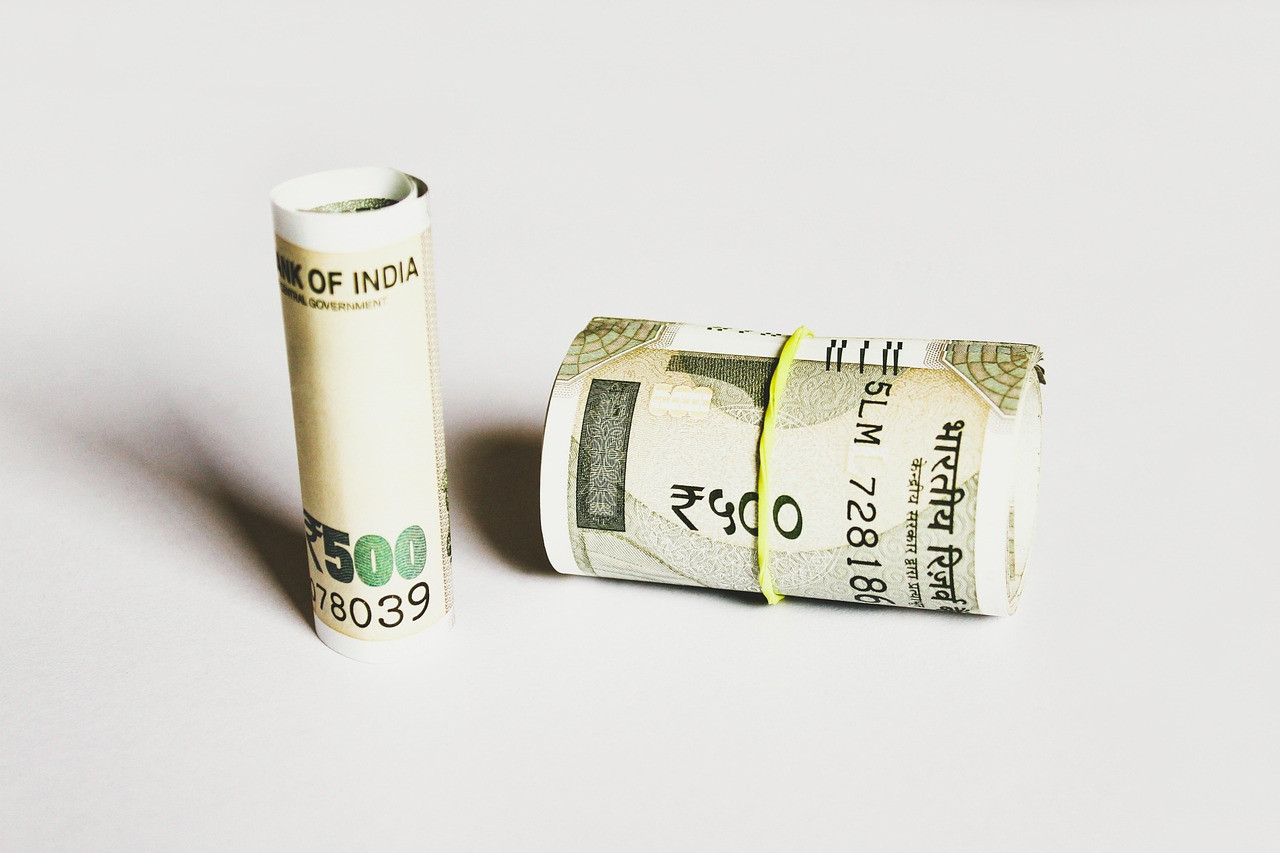
Representative image: rupixen / Pixabay
Sarvam drew about 87% of the roughly $399 million raised by Indic AI start-ups in 2026, a Tracxn report released on October 28, 2026, shows.
What Happened
Sarvam, the Bengaluru company building artificial intelligence (AI) models for Indian languages, has taken about 87% of all the money raised by Indic AI start-ups in 2026, according to a report by the market-data firm Tracxn released on Wednesday, October 28, 2026. The report, titled "Indic AI: Building AI for Bharat", counts about $399 million raised by start-ups in the segment this year, of which Sarvam's two rounds, of $255 million and $90 million, account for roughly $346 million. All other Indic AI start-ups together raised about $54 million across seven rounds, according to the report's figures, which run to October 15, 2026.
Key Facts
- Source: Tracxn's report "Indic AI: Building AI for Bharat", released on October 28, 2026, with data up to October 15, 2026.
- 2026 funding for Indic AI start-ups: about $399 million.
- Sarvam's share: about 87%, from two rounds of $255 million and $90 million.
- Everyone else: about $54 million across seven rounds in 2026.
- Since 2021, 34 companies in the segment have raised more than $650 million across 56 rounds, according to reports of the study.
- Deal activity peaked in 2024, which saw 15 funding rounds.
- Sarvam is one of four companies selected by the government to build sovereign AI models, meaning models developed and controlled in India.
Why It Matters
"Indic AI" refers to AI tools built for Indian languages, from chatbots and voice assistants that understand Hindi, Tamil or Bengali to speech-to-text systems that handle the mix of English and local languages common in Indian phone calls. Most of the world's leading AI models are trained mainly on English text, so they often perform worse in Indian languages. Start-ups in this segment aim to close that gap for the hundreds of millions of Indians who prefer to use technology in their own language.
The report shows how unevenly the money is spread. One company has drawn almost nine of every ten dollars invested in the segment this year. That concentration reflects how expensive it is to build large AI models: training them requires huge computing power and data, and investors tend to back the one or two players they think can reach that scale, especially one with a government mandate. Smaller start-ups building narrower tools, such as speech recognition for call centres or translation for specific industries, are raising much smaller amounts.
For founders, this is a signal about where opportunities lie. Competing head-on to build a general Indian-language model now means competing with a well-funded leader. Building applications on top of such models, for specific sectors like agriculture, health, banking or government services, may be the more realistic path for new start-ups. For policymakers, the figures raise the question of whether the ecosystem is too dependent on a single company. The report does not make policy recommendations.
| Measure (Indic AI start-ups) | Figure |
|---|---|
| Funding in 2026 (to Oct 15) | About $399 million |
| Sarvam's share in 2026 | About 87% (about $346 million in two rounds) |
| Other start-ups in 2026 | About $54 million, seven rounds |
| Companies counted since 2021 | 34 |
| Busiest year by number of rounds | 2024 (15 rounds) |
Impact
Short-term: Sarvam has the resources to train larger Indian-language models and expand, while smaller Indic AI start-ups face a harder funding market unless they find a clear niche.
Long-term: Heavy concentration could produce one strong national model provider, with other start-ups building services on top of it, or it could leave the ecosystem exposed if the leader stumbles.
Who is affected: Indic AI founders and their investors, Indian-language users of AI tools, government departments planning AI services in local languages, and developers looking for Indian-language models to build on.
Key Takeaway
Sarvam took about 87% of the roughly $399 million raised by Indic AI start-ups in 2026, Tracxn's October 28 report shows, leaving about $54 million for everyone else.
Questions and Answers
How much money have Indic AI start-ups raised in 2026?
About $399 million up to October 15, 2026, according to a Tracxn report released on October 28, 2026. Sarvam accounted for roughly $346 million of that through two rounds.
What does Indic AI mean?
Indic AI covers artificial intelligence tools designed for Indian languages, such as chatbots, voice assistants, translation and speech-to-text systems that understand Hindi, Tamil, Bengali and other languages, often mixed with English.
Why does Sarvam get most of the funding?
Building large AI models needs very large amounts of computing power and data, so investors tend to back the companies they believe can reach that scale. Sarvam is also one of four companies selected by the government to build sovereign AI models.
Is it still possible for new Indic AI start-ups to raise money?
Yes, but in much smaller amounts so far this year. Other Indic AI start-ups raised about $54 million across seven rounds in 2026, mostly for narrower products rather than general-purpose models.
Disclaimer: Prepared by the Peepals newsroom from publicly available sources with AI assistance. Information is accurate to the best of our knowledge at the time of publication and may change. Images may be representative. Not professional advice. Report an error via our contact page.
By Karan Bansal, Tech Startups CorrespondentCovers Tech Start-ups & Stories and more for Peepals Tech. All stories by Karan Bansal
Google's Gemini 4 Carbon tops AI index, goes first to cyber defenders
Apple event brings first touchscreen Mac with PROLED XDR display
Get the day's stories in your inbox
Peepals Weekly: the week decoded, free. One email a week, unsubscribe in one click.
Karan Bansal is a pen name of the Peepals Global Editorial Team, which researches, fact-checks and publishes every story. The portrait is an illustration.