
France internet tax: lower house votes 5.5 cents per gigabyte levy
 By Karan BansalTech Startups Correspondent, Peepals Tech

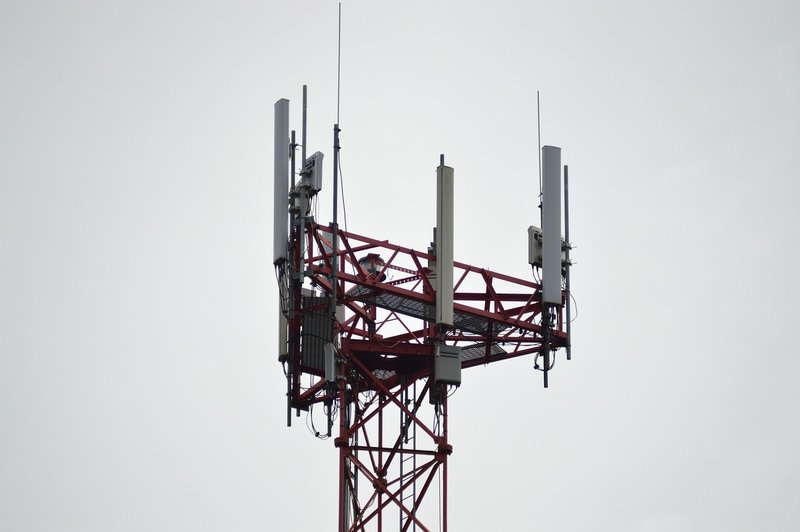
File photo: Ank Kumar (CC BY-SA 4.0), via Wikimedia Commons
France's National Assembly voted 11-10 on October 30, 2026 for a €0.055-per-gigabyte levy on content providers such as Netflix and Google; it is not yet law.
What Happened
France's National Assembly, the lower house of parliament, on Friday, October 30, 2026, narrowly adopted an amendment to the 2027 budget bill that would make large content providers such as Netflix, Google and Meta pay 5.5 euro cents (€0.055) for every gigabyte of data they send over French networks. The amendment passed by 11 votes to 10, with only 35 of the 577 deputies taking part, and against the advice of the government and the budget's rapporteur. It is not yet law: it survives only if the revenue part of the budget is adopted, and it must still get through the Senate.
Key Facts
- The vote: amendment I-1358, tabled by Socialist deputy Laurent Lhardit, passed 11-10 in the National Assembly on October 30, 2026.
- The rate: €0.055 per gigabyte of traffic sent to users in France.
- The cap: at most 15% of a provider's French revenue or 2% of its global revenue, according to reports of the amendment.
- Named companies include Google, Meta, Amazon, Netflix and Akamai, which France's telecom regulator Arcep says account for about half of internet traffic in the country.
- France's internet providers, including Orange, SFR, Bouygues Telecom and Free, would measure the volumes each sender delivers and report anonymised figures to the tax authority; only the volume of data, not its content, would be counted.
- Supporters say the levy could raise about €10 billion a year.
- The government opposes the measure, and it can still be removed in the Senate or through later stages of the budget process.
Why It Matters
For most people, the internet feels free at the point of use: you pay your broadband or mobile bill, and the videos, games and apps simply arrive. Behind that, there is a long-running argument over who should pay for the networks that carry the traffic. Telecom operators say a handful of large platforms generate most of the data on their networks, especially through video streaming, while operators carry the cost of upgrading the cables, towers and equipment. The platforms reply that their content is the reason customers buy broadband at all, and that they already spend heavily on their own delivery networks and servers.
France's amendment takes one side of that argument and turns it into a tax measured in gigabytes. That is unusual. Most digital taxes so far have been based on revenue earned in a country, not on the volume of data sent. A per-gigabyte levy rewards efficient compression and penalises heavy streaming, and could in principle touch any company that sends large amounts of traffic, including smaller and French firms, not only the American giants named in the debate. Some reports have warned that game download services and video platforms could be hit.
The narrow and thin vote also matters. With only 35 deputies present on a late sitting, the measure does not show broad parliamentary support. The government, which opposes it, has several ways to remove or water it down as the budget moves through the Senate and later stages, and the finance committee has already rejected the revenue part of the bill to which the amendment is attached.
For start-ups and digital businesses, including Indian companies that stream video, run games or serve content to European users, the vote is a signal to watch. If a large European market starts charging by the gigabyte, the cost of reaching users there would depend not only on revenue but on how much data a service moves, which would change the economics for bandwidth-heavy products.
| Item | Detail |
|---|---|
| Measure | €0.055 per gigabyte on content providers' traffic in France |
| Vote | 11 for, 10 against, 35 of 577 deputies present |
| Cap | 15% of French revenue or 2% of global revenue |
| Expected revenue (backers' estimate) | About €10 billion a year |
| Status | Adopted by the lower house as a budget amendment; not yet law |
Impact
Short-term: Nothing changes for users or companies yet. The amendment must survive the rest of the budget process and the Senate, with the government against it. Platforms and their trade groups are likely to lobby hard against it.
Long-term: If it became law, large streaming and cloud services would face a new cost in France tied to data volumes, which they could absorb, pass on to subscribers, or try to reduce through heavier compression. It would also give new energy to telecom operators elsewhere in Europe that want platforms to share network costs.
Who is affected: Large content and cloud providers such as Netflix, Google, Meta, Amazon and Akamai; smaller video, gaming and download services; French internet providers, which would have to measure and report traffic; French subscribers, who could see costs passed on; and foreign digital businesses, including start-ups, that serve French users.
Key Takeaway
France's lower house has narrowly voted for a 5.5-cent-per-gigabyte levy on content providers, but with the government opposed and the Senate still to vote, the internet tax is far from final.
Questions and Answers
What is France's proposed internet tax?
It is an amendment to the 2027 budget bill that would charge content providers €0.055 for every gigabyte of data they send over French networks, capped at 15% of French revenue or 2% of global revenue.
Has the France internet tax become law?
No. The National Assembly adopted the amendment by 11 votes to 10 on October 30, 2026, but it must survive the rest of the budget process and the Senate, and the French government opposes it.
Who would pay the per-gigabyte tax?
Content providers that send large amounts of traffic, with Google, Meta, Amazon, Netflix and Akamai named in the debate. Internet providers such as Orange, SFR, Bouygues Telecom and Free would measure and report the volumes.
Will French internet users pay more?
Not directly, as the levy is charged to content providers. But if it becomes law, companies could pass some of the cost on through subscription prices.
Disclaimer: Prepared by the Peepals newsroom from publicly available sources with AI assistance. Information is accurate to the best of our knowledge at the time of publication and may change. Images may be representative. Not professional advice. Report an error via our contact page.
By Karan Bansal, Tech Startups CorrespondentCovers Tech Start-ups & Stories and more for Peepals Tech. All stories by Karan Bansal
Waymo picks Toyota bZ4X as next robotaxi; Japan tests from 2027
Judge lets NAACP lawsuit over xAI data-centre turbines go ahead
Get the day's stories in your inbox
Peepals Weekly: the week decoded, free. One email a week, unsubscribe in one click.
Karan Bansal is a pen name of the Peepals Global Editorial Team, which researches, fact-checks and publishes every story. The portrait is an illustration.