
EKA-1 and Dhir AI models released under IndiaAI Mission by Soket, ZenteiQ
 By Anika SharmaAI & Innovations Editor, Peepals Tech
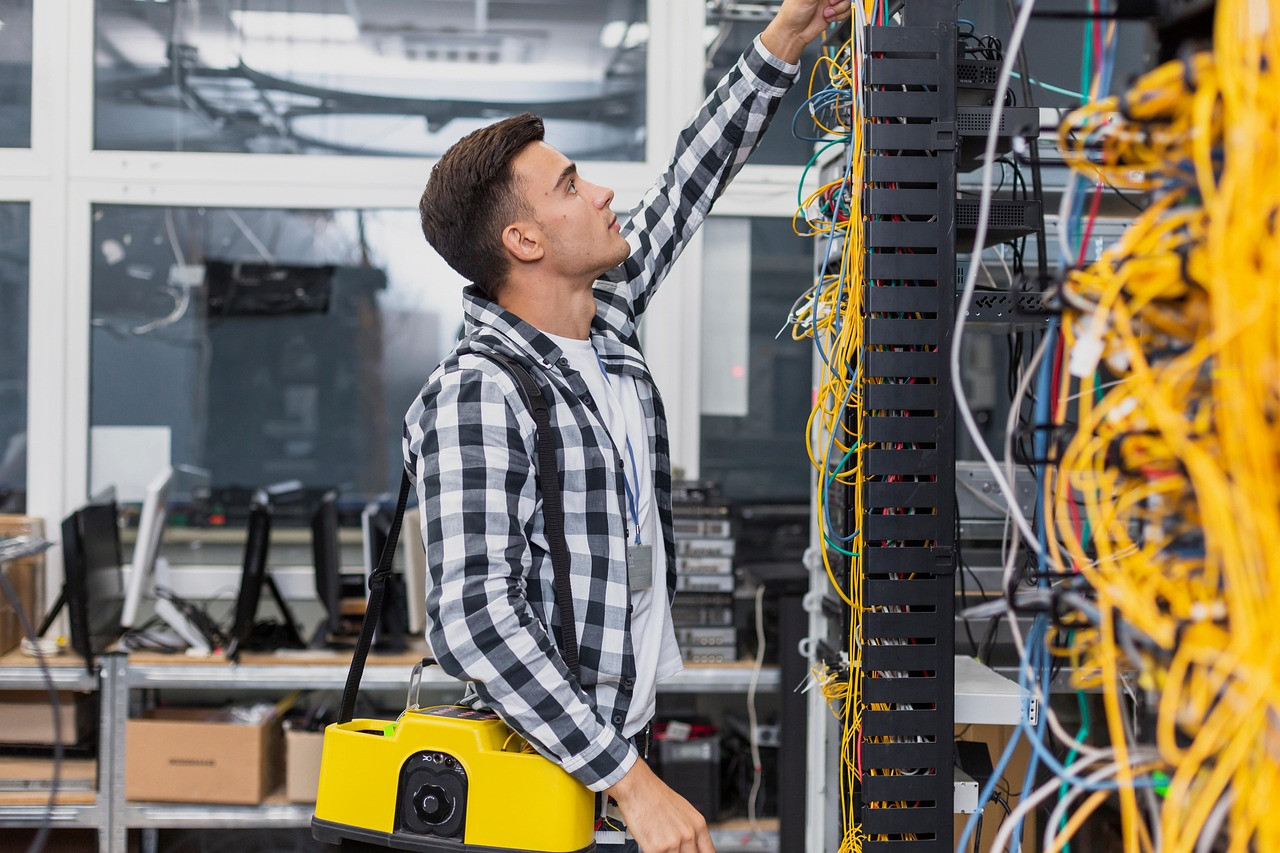
Representative image: RodDIYguy / Pixabay
The IndiaAI Mission released three home-grown AI models on 3 November 2026: Soket Labs' 26.3-billion-parameter EKA-1 and ZenteiQ's open-source Dhir 2B and Dhir 5B.
What Happened
The IndiaAI Mission, run by the Ministry of Electronics and Information Technology (MeitY), released three AI foundation models built in India on Tuesday, 3 November 2026. EKA-1, developed by Soket Labs, has 26.3 billion parameters, was trained on about 7.5 trillion tokens and supports all 22 scheduled Indian languages plus English. Dhir 2B and Dhir 5B, developed by ZenteiQ, are smaller open-source models with 2 billion and 5 billion parameters that support English and 10 Indian languages. Both companies were selected under the mission's Innovation Centre pillar for foundation models and received subsidised government computing power.
Key Facts
- Release date: 3 November 2026, under the IndiaAI Mission of MeitY.
- EKA-1 (Soket Labs): 26.3 billion parameters, trained on about 7.5 trillion tokens, all 22 scheduled Indian languages and English.
- EKA-1 is aimed at mathematics, coding, reasoning and agentic tasks, and Soket says it can run some tasks on local devices.
- Dhir 2B and Dhir 5B (ZenteiQ): 2 billion and 5 billion parameters, open-source, English plus 10 Indian languages.
- Dhir is described as suited to smaller multilingual assistants, including where internet connectivity is limited.
- Support: subsidised national AI compute and help with research costs from the mission.
- Access: the models are meant to be available to researchers, students, developers and the public through platforms such as AIKosh, the government's AI datasets and models platform.
Why It Matters
A foundation model is a large AI system trained on huge amounts of text that can then be adapted for many tasks, from answering questions to writing code. Most of the widely used ones are built by American and Chinese companies and trained mainly on English and a few other major languages. India's IndiaAI Mission is paying for home-grown models partly so that Indian languages are handled well, and partly so that government and businesses are not entirely dependent on foreign systems for sensitive uses.
The two releases show two different strategies. EKA-1 is the larger of the two, built to cover every scheduled language and to handle harder tasks such as reasoning and coding. Soket's chief executive said the model was shaped with India's banking, financial services and cybersecurity needs in mind, sectors where data often cannot leave the country. Its claimed ability to run some tasks on a local device matters for organisations that cannot send data to the cloud.
The Dhir models go the other way: small and open-source, meaning anyone can inspect and adapt them. Smaller models are cheaper to run and can work on modest hardware, which suits chatbots and assistants for schools, local governments and small businesses, and areas where internet connections are unreliable.
These are company claims and early releases. Independent tests of how well the models perform against established systems will matter more than launch descriptions, and details on licences and whether full model weights can be downloaded were not clear in early reports.
Peepals calculation: EKA-1 is about 5.3 times the size of Dhir 5B (26.3 divided by 5) and about 13 times Dhir 2B (26.3 divided by 2). It was trained on roughly 285 tokens for each parameter (7.5 trillion divided by 26.3 billion). EKA-1 covers 23 languages in all (22 scheduled languages plus English), against 11 for Dhir (English plus 10). Our calculation from the reported figures.
| Model | Developer | Parameters | Languages |
|---|---|---|---|
| EKA-1 | Soket Labs | 26.3 billion | 22 Indian languages + English |
| Dhir 5B | ZenteiQ | 5 billion | 10 Indian languages + English |
| Dhir 2B | ZenteiQ | 2 billion | 10 Indian languages + English |
Impact
Short-term: Researchers, students and start-ups get new Indian-built models to test and build on, including two open-source options.
Long-term: If the models perform well, they could be used in government services, banking and education where Indian-language support and data control matter. Their uptake will be a test of whether the mission's compute subsidies produce models people actually use.
Who is affected: Indian AI developers and start-ups, banks and cybersecurity firms, government departments, and users who need AI tools in Indian languages.
What to watch next: Independent benchmark results for EKA-1 and Dhir, and licence details on the platforms where they are published.
Key Takeaway
India's AI mission has released a large 23-language model, EKA-1, and two small open-source Dhir models, giving Indian developers home-grown options for different needs.
Questions and Answers
What is EKA-1?
EKA-1 is a 26.3-billion-parameter AI foundation model built by Soket Labs under the IndiaAI Mission, trained on about 7.5 trillion tokens and supporting all 22 scheduled Indian languages and English. It was released on 3 November 2026.
What are the Dhir 2B and Dhir 5B models?
They are open-source AI models from ZenteiQ with 2 billion and 5 billion parameters that support English and 10 Indian languages, designed for smaller multilingual assistants.
Who supported the development of EKA-1 and Dhir?
The IndiaAI Mission of MeitY, which selected Soket Labs and ZenteiQ under its Innovation Centre foundation-models pillar and provided subsidised computing power and research support.
Where can people use the EKA-1 and Dhir models?
The government says the models are meant to be available to researchers, students, innovators and the public through platforms such as AIKosh.
Disclaimer: Prepared by the Peepals newsroom from publicly available sources with AI assistance. Information is accurate to the best of our knowledge at the time of publication and may change. Images may be representative. Not professional advice. Report an error via our contact page.
By Anika Sharma, AI & Innovations EditorCovers AI & Innovation and more for Peepals Tech. All stories by Anika Sharma
Australia social media ban faces High Court test from Reddit, Digital Freedom Project
Dick's Sporting Goods opens Bengaluru AI hub, plans 400 tech jobs by 2029
Get the day's stories in your inbox
Peepals Weekly: the week decoded, free. One email a week, unsubscribe in one click.
Anika Sharma is a pen name of the Peepals Global Editorial Team, which researches, fact-checks and publishes every story. The portrait is an illustration.