

TRAI drafts responsible AI rules for telecom; comments due November 27
 By Anika SharmaAI & Innovations Editor, Peepals Tech
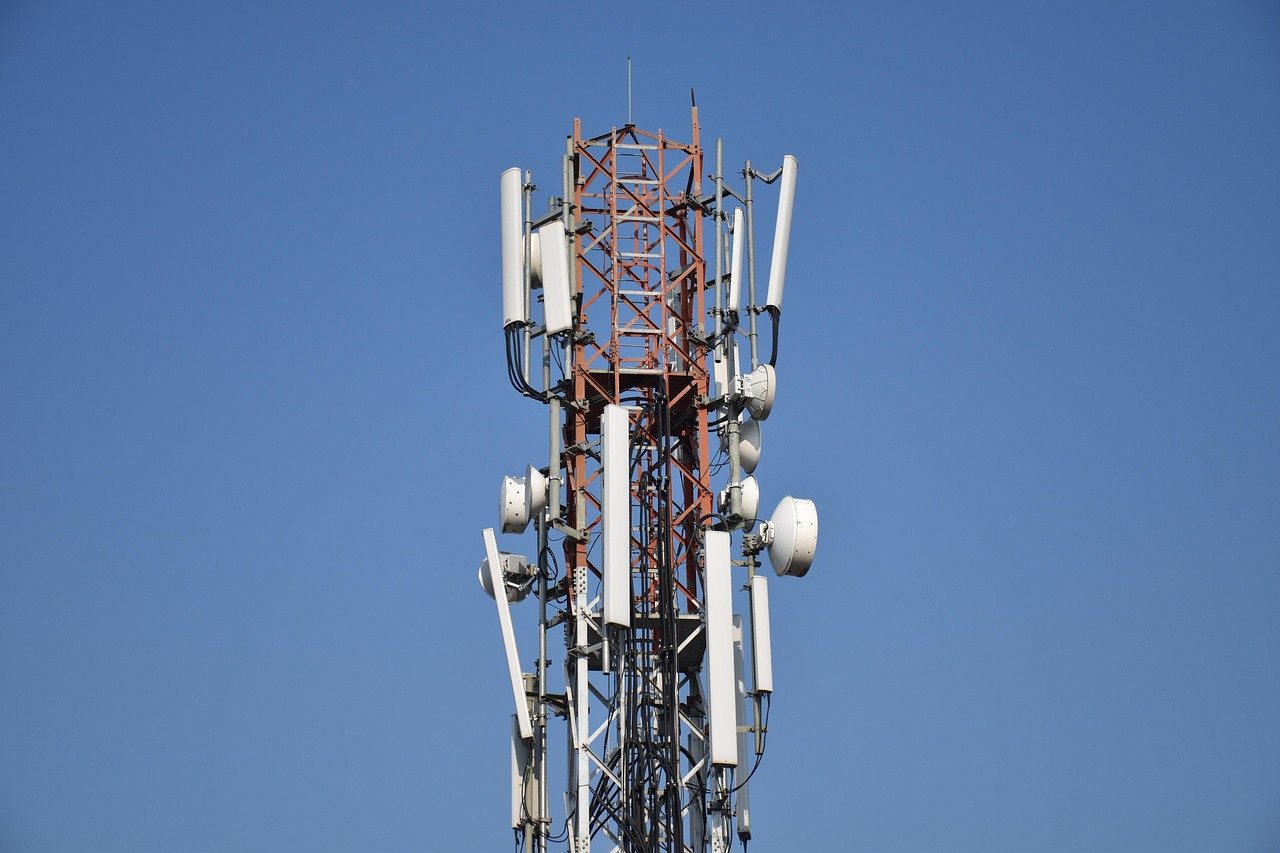
Representative image: prasanna_devadas / Pixabay
TRAI released a draft framework on October 30, 2026 asking telecom firms to risk-rate AI systems, keep human oversight and report serious AI incidents.
What Happened
The Telecom Regulatory Authority of India (TRAI) released a consultation paper and draft framework on the responsible use of artificial intelligence in telecom networks on Thursday, October 30, 2026. The draft proposes that telecom operators classify their AI systems as high, medium or low risk, keep human oversight over all of them, adopt a board-approved internal AI policy, set up an AI governance committee and report serious AI-related incidents to the regulator. TRAI has asked for written comments from the industry and the public by November 27, 2026.
Key Facts
- Issued by: Telecom Regulatory Authority of India (TRAI), on October 30, 2026.
- Type: consultation paper with a draft framework; the rules are proposals, not yet final.
- Risk tiers: operators would sort their AI systems into high, medium and low risk.
- Human oversight would be required for all AI systems used by telecom entities.
- Each entity would need a board-approved AI policy covering areas including incident management and consumer grievance redressal.
- Operators would form an AI Governance and Safety Committee led by a senior AI Governance and Safety Officer.
- Critical and high-severity AI incidents would have to be reported to TRAI in a set format and timeframe.
- Comments are due by November 27, 2026; the draft is linked to the India AI Governance Guidelines issued in February 2026.
Why It Matters
Telecom companies already use artificial intelligence widely, even if customers rarely see it. AI systems help manage network traffic, predict equipment failures, detect fraud and spam calls, and answer customer queries through chatbots. When such a system makes a mistake, the effects can be large: a wrongly blocked number, a customer complaint that is never resolved, or a network fault that is not caught in time. TRAI's draft is an attempt to set rules for how operators govern these systems before problems arise.
The approach is based on risk. A risk-based framework means the strictest controls apply to the systems that could cause the most harm, while low-risk uses face lighter requirements. This is the same principle used in the India AI Governance Guidelines released in February 2026. Requiring human oversight for every system means a person, not only software, remains responsible for decisions.
The governance proposals put responsibility at the top of each company. A board-approved policy, a dedicated committee and a named senior officer make it clearer who is accountable when an AI system fails. The incident-reporting rule would give TRAI visibility of serious failures across the industry, which it would otherwise learn about only case by case.
For consumers, the most direct link is grievance redressal. If an AI chatbot or automated system mishandles a complaint, the draft expects operators' AI policies to cover how such complaints are dealt with.
| Proposal | What it means |
|---|---|
| Risk tiers | AI systems classed high, medium or low risk |
| Human oversight | A person stays responsible for every AI system |
| Board-approved AI policy | Covers incidents, grievances and other areas |
| AI Governance and Safety Committee | Led by a senior AI Governance and Safety Officer |
| Incident reporting | Critical and high-severity incidents reported to TRAI |
| Comments deadline | November 27, 2026 |
Impact
Short-term: Telecom operators, equipment makers and technology vendors will study the draft and file comments by November 27. Industry bodies are likely to seek clarity on how risk tiers are defined and how quickly incidents must be reported.
Long-term: If adopted, the framework would give telecom a specific set of AI governance rules of its own. Other sector regulators considering AI rules are likely to watch how it works in practice.
Who is affected: Telecom operators and internet service providers; companies that supply AI tools to them; and mobile and broadband users, whose calls, data and complaints are increasingly handled by AI systems.
What readers can do: Members of the public and organisations can send written comments on the consultation paper to TRAI by November 27, 2026, through the process described on the regulator's website.
Key Takeaway
TRAI's October 30, 2026 draft proposes risk tiers, human oversight, board-level AI policies and mandatory incident reporting for AI used in telecom networks, with comments open until November 27.
Questions and Answers
What has TRAI proposed on artificial intelligence in telecom?
On October 30, 2026 TRAI released a draft framework asking telecom operators to classify AI systems by risk, keep human oversight, adopt board-approved AI policies, form an AI Governance and Safety Committee and report serious AI incidents to the regulator.
Are TRAI's AI rules for telecom final?
No. They are part of a consultation paper. TRAI has invited written comments until November 27, 2026, and will consider them before issuing final recommendations or rules.
What is a risk-based AI framework?
It is an approach where AI systems are sorted by how much harm they could cause. High-risk systems face the strictest controls, while low-risk systems face lighter requirements.
How does the TRAI draft affect mobile users?
It would require operators' AI policies to cover consumer grievance redressal, so complaints handled by AI systems have a clear process, and serious AI failures would have to be reported to TRAI.
Disclaimer: Prepared by the Peepals newsroom from publicly available sources with AI assistance. Information is accurate to the best of our knowledge at the time of publication and may change. Images may be representative. Not professional advice. Report an error via our contact page.
By Anika Sharma, AI & Innovations EditorCovers AI & Innovation and more for Peepals Tech. All stories by Anika Sharma
McKinsey: 76% of Indians use AI to shop, second only to China
Supreme Court asks MeitY to add penalties for sharing court hearing videos
Get the day's stories in your inbox
Peepals Weekly: the week decoded, free. One email a week, unsubscribe in one click.
Anika Sharma is a pen name of the Peepals Global Editorial Team, which researches, fact-checks and publishes every story. The portrait is an illustration.