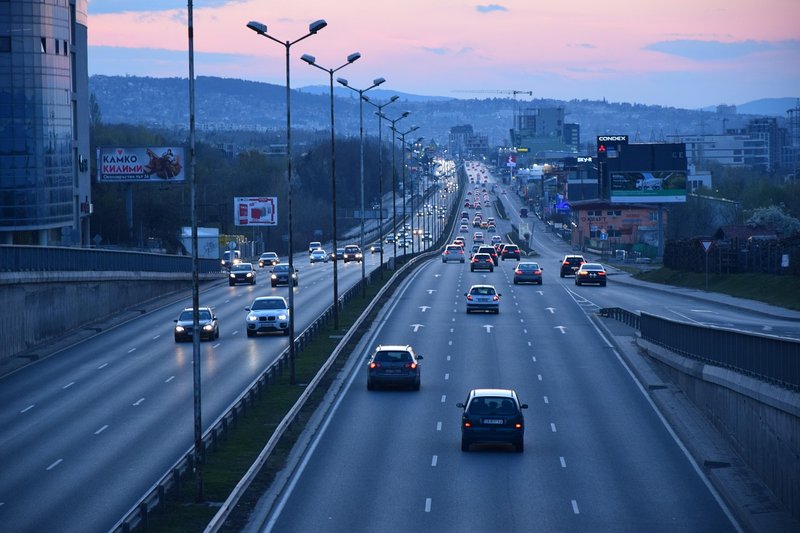

Sadiq Khan seeks cap on robotaxis as driverless cars near London roads
 By Anika SharmaAI & Innovations Editor, Peepals Tech
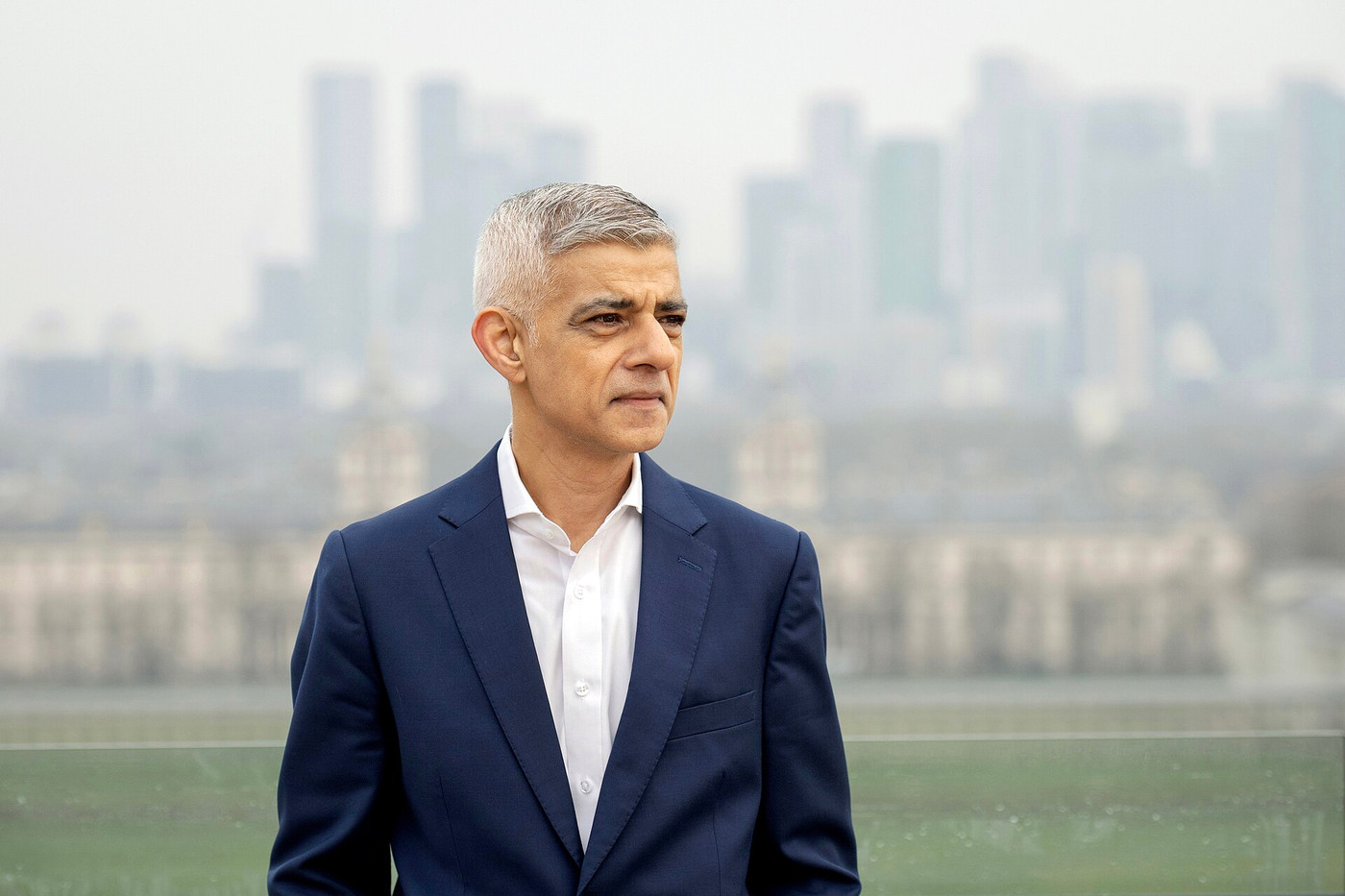
File photo: Greater London Authority/Caroline Teo (CC BY 4.0), via Wikimedia Commons
London mayor Sadiq Khan wants a limit on robotaxi numbers and more powers for TfL, citing congestion, air quality and drivers' jobs, as driverless trials expand in 2026.
What Happened
Sadiq Khan, the Mayor of London, has called for a cap on the number of robotaxis allowed on the city's streets, in remarks reported on 1 November 2026. He said fully driverless taxis could add to congestion, worsen air quality and threaten the jobs of black cab and private-hire drivers, and he wants Transport for London (TfL) to have the power to control how such services operate, not only whether they may run. No figure for the cap or timetable was given.
Key Facts
- Sadiq Khan wants a limit on robotaxi numbers in London before fully driverless services are approved.
- He pointed out that London has no cap today even on ordinary taxis or private-hire cars, and said the city has already asked for such powers.
- Under current rules, TfL can give or refuse consent for fully self-driving services but cannot license or regulate them in the way it licenses minicabs, according to reports.
- The Automated Vehicles Act 2024 sets the legal framework for self-driving vehicles across Great Britain.
- A London Assembly Transport Committee report has recommended that TfL get powers to cap fleet sizes and withdraw operating permits.
- Uber and the British start-up Wayve began limited rides in London in September 2026 with safety drivers, and Baidu's Apollo Go, with Lyft-owned Freenow, has been testing in the borough of Brent since July.
Why It Matters
A robotaxi is a taxi driven by software rather than a person. Cameras, radar and other sensors build a picture of the road, and artificial intelligence (AI) systems decide when to brake, turn or wait. Several companies want London to be one of the first big European cities where paying passengers can ride with nobody in the driving seat. That makes the rules set now a test case for how cities manage AI on public roads.
Khan's argument is about scale more than safety. Even if each vehicle drives well, a large fleet of cars circling for fares could add traffic to busy streets. The mayor noted that London cannot cap even ordinary taxis and private-hire cars today, and his call is an attempt to settle the question for driverless fleets before they arrive.
There is also the question of work. London's black cab drivers must pass "the Knowledge", a demanding test of the city's streets, and many private-hire drivers depend on app-based work. Their groups have argued that driverless fleets could cut into their income. Khan named their livelihoods among his reasons.
The companies are pressing ahead with testing and plan paid driverless rides once national approval comes. The national law sets the overall framework, so how much local control London gets will be decided by the government, and it will shape how fast those plans move.
For India, where AI-driven mobility is still mostly at the testing stage, the London debate is an early example of the questions city authorities will face: who licenses a driverless fleet, how many vehicles are allowed, and how displaced drivers are treated.
Who wants what in London's robotaxi debate Group | Position Mayor Sadiq Khan | Cap robotaxi numbers; more powers for TfL London Assembly Transport Committee | TfL powers to cap fleets and withdraw permits Robotaxi operators | Want to launch driverless services in London Taxi and private-hire drivers | Worried about jobs and income
Impact
Short-term: The call adds pressure on the national government to give London's transport body more say before any fully driverless service is approved. Trials with safety drivers continue.
Long-term: If TfL gains the power to cap fleets, robotaxi firms may have to bid for limited permits, slowing growth but giving the city control over traffic and emissions. Other UK cities could seek similar powers.
Who is affected: Robotaxi companies planning London services, black cab and private-hire drivers, TfL, and Londoners who would use or share the roads with driverless cars.
Key Takeaway
London's mayor wants a cap on robotaxi numbers and more TfL powers before driverless taxis carry passengers, putting the city's traffic and drivers' jobs at the centre of Britain's self-driving plans.
Questions and Answers
What did Sadiq Khan say about robotaxis?
London's mayor called for a cap on how many robotaxis can operate in the city, citing congestion, air pollution and the jobs of taxi and private-hire drivers. He also wants Transport for London to have powers over how such services run.
Can TfL stop robotaxis in London today?
Reports say TfL can give or withhold consent for fully driverless services but cannot license or regulate them the way it licenses minicabs. The mayor and the London Assembly want stronger powers.
Are there robotaxis in London now?
Companies are testing. Uber and Wayve began limited rides in September 2026 with safety drivers on board, and Baidu's Apollo Go has been testing with Freenow since July. Fully driverless paid rides have not yet been approved.
Did the mayor say how many robotaxis should be allowed?
No. Reports of his call did not include a proposed number or a timetable for the cap.
Disclaimer: Prepared by the Peepals newsroom from publicly available sources with AI assistance. Information is accurate to the best of our knowledge at the time of publication and may change. Images may be representative. Not professional advice. Report an error via our contact page.
By Anika Sharma, AI & Innovations EditorCovers AI & Innovation and more for Peepals Tech. All stories by Anika Sharma
Electric two-wheeler sales hit record 2.24 lakh in October; TVS leads, Ola slips
Tech job openings in India hit 1.3 lakh in November, Xpheno says
Get the day's stories in your inbox
Peepals Weekly: the week decoded, free. One email a week, unsubscribe in one click.
Anika Sharma is a pen name of the Peepals Global Editorial Team, which researches, fact-checks and publishes every story. The portrait is an illustration.