
Judge lets NAACP lawsuit over xAI data-centre turbines go ahead
 By Anika SharmaAI & Innovations Editor, Peepals Tech
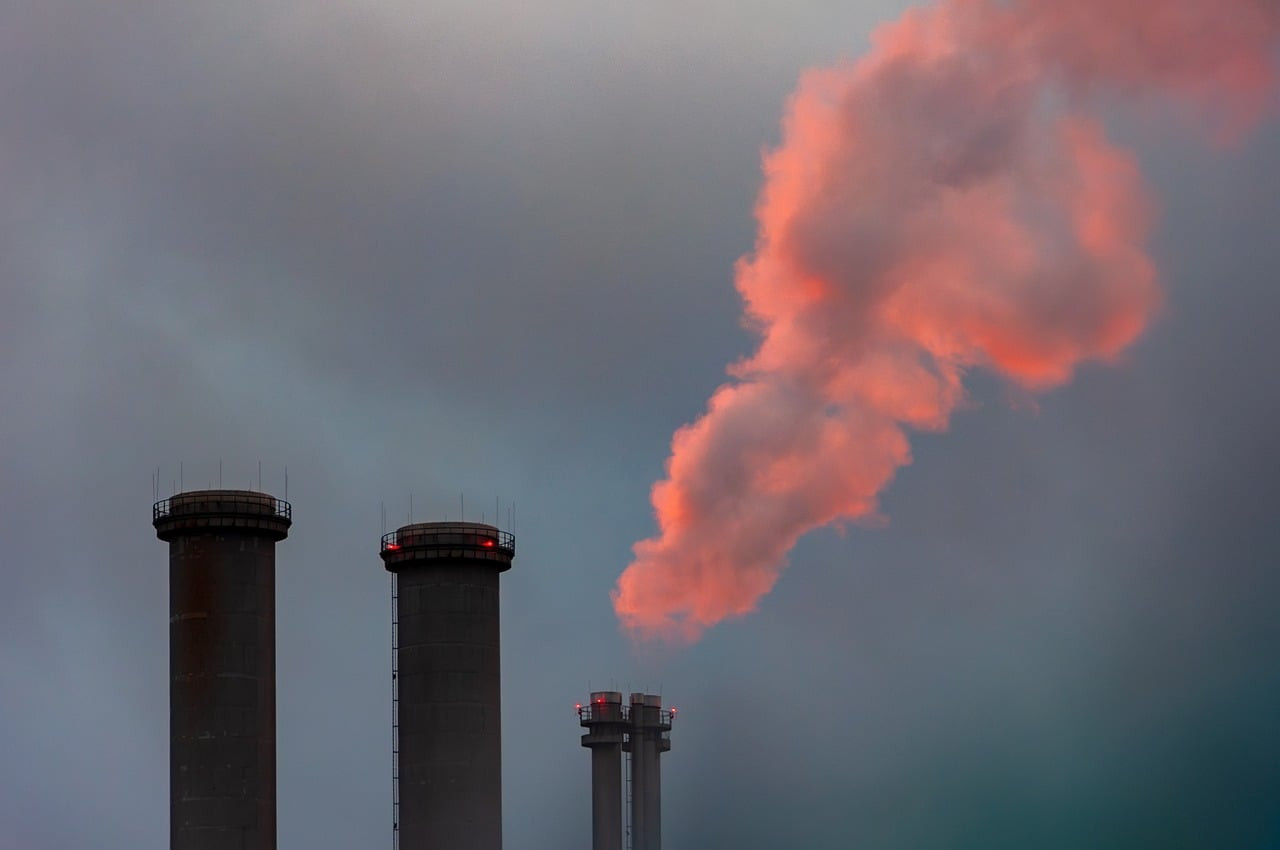
Representative image: wal_172619 / Pixabay
A US judge on October 30, 2026 refused to dismiss the NAACP's Clean Air Act suit over gas turbines powering xAI's Colossus 2 AI data centre.
What Happened
A US federal judge on Thursday, October 30, 2026, refused to throw out a lawsuit by the NAACP that accuses Elon Musk's artificial intelligence company xAI of running gas turbines without the air-pollution permits they need. The turbines, in DeSoto County, Mississippi, generate electricity for xAI's Colossus 2 data centre in the Memphis area. US District Judge Debra M. Brown of the Northern District of Mississippi rejected xAI's request to dismiss the case, so the Clean Air Act lawsuit will now go forward.
Key Facts
- Court: US District Court for the Northern District of Mississippi; Judge Debra M. Brown; order dated October 30, 2026.
- Plaintiffs: the NAACP and its Mississippi State Conference, which filed the complaint on April 14, 2026.
- Defendants: xAI, described in reports as now owned by SpaceX, and its subsidiary MZX Tech.
- Claim: that the company installed gas turbines between August and December 2025 without the permits required under the Clean Air Act; the complaint cites 27 turbines, though reports give different counts.
- xAI's defence: it argued the turbines were mobile units exempt from permitting and that the plaintiffs had no standing to sue; the judge rejected those arguments.
- Earlier in October, the court also turned down a separate motion by the US Department of Justice to dismiss the case.
Why It Matters
The race to build ever larger AI models is, in practical terms, a race for electricity. Training and running frontier models needs data centres packed with chips, and those chips need huge, steady amounts of power. Where the grid cannot supply it fast enough, companies have turned to building their own generation on site. xAI's answer for its Colossus facilities near Memphis was a set of gas-fired turbines just across the state line in Mississippi.
The lawsuit tests whether that shortcut is legal. Under the Clean Air Act, sources of air pollution such as power-generating turbines generally need permits that set limits on what they emit. xAI argued that its turbines were mobile and therefore did not need such permits. The NAACP says the turbines are, in effect, a power plant serving a data centre, and that people living nearby bear the pollution. The plaintiffs have estimated that the turbines' potential emissions could exceed 1,700 tons of nitrogen oxides a year, pollutants that regulators limit because they contribute to smog.
Thursday's order does not decide who is right. A motion to dismiss asks a court to end a case before the facts are examined, usually on legal grounds. By denying it, the judge has ruled only that the lawsuit raises claims that deserve to be heard. The NAACP has also asked the court for a preliminary injunction, which would be a separate and later decision.
There is a second notable thread. The Department of Justice had also asked the court to dismiss the citizen suit. According to reports of the earlier order, the court found that while the Environmental Protection Agency's administrator may join such a suit, nothing in the Clean Air Act lets the agency end it on its own. That point matters for every community group that uses the law's citizen-suit provision against a large company.
For Indian readers, the case is a preview of a debate that is coming home. India is courting large AI data-centre investments, and those projects will need reliable power and water. How permits, local pollution and community consent are handled is likely to become a bigger question as those projects grow.
| Item | Detail |
|---|---|
| Court and judge | Northern District of Mississippi, Judge Debra M. Brown |
| Date of order | October 30, 2026 |
| Plaintiffs | NAACP and its Mississippi State Conference |
| Defendants | xAI and subsidiary MZX Tech |
| Main claim | Gas turbines run without Clean Air Act permits |
Impact
Short-term: The case moves into its next phase, which will include the NAACP's request for a preliminary injunction. xAI has to keep defending the permits question in court while its Colossus facilities continue to operate.
Long-term: The outcome could shape how AI companies power new data centres in the United States, and whether temporary or "mobile" generation can be used to skip the normal permit process. A ruling against xAI would push AI builders towards grid power or fully permitted plants, raising costs and lengthening timelines.
Who is affected: Residents of DeSoto County and nearby Memphis neighbourhoods; xAI and its owner SpaceX; other AI companies building their own on-site power; environmental regulators; and community groups that use the Clean Air Act's citizen-suit provision.
Key Takeaway
A US judge has let the NAACP's pollution lawsuit against xAI's data-centre turbines go ahead, putting the energy shortcuts behind the AI boom under a legal test.
Questions and Answers
What did the judge decide in the NAACP lawsuit against xAI?
On October 30, 2026, US District Judge Debra M. Brown denied xAI's motion to dismiss the NAACP's Clean Air Act lawsuit over gas turbines powering the Colossus 2 data centre, so the case will continue.
Does this mean xAI broke the law?
No. Denying a motion to dismiss only means the claims will be heard. The court has not yet ruled on whether the turbines needed permits or on the NAACP's request for a preliminary injunction.
Why does an AI company run gas turbines?
Large AI models are trained and run in data centres that need enormous amounts of electricity. xAI built gas-fired generation near its Colossus facilities to supply that power, and the lawsuit argues that this generation needed air-pollution permits.
Why is this relevant outside the United States?
Countries including India are competing to host AI data centres, which need large and reliable power supplies. The case shows the legal and community questions that arise when companies build their own power to meet that demand.
Disclaimer: Prepared by the Peepals newsroom from publicly available sources with AI assistance. Information is accurate to the best of our knowledge at the time of publication and may change. Images may be representative. Not professional advice. Report an error via our contact page.
By Anika Sharma, AI & Innovations EditorCovers AI & Innovation and more for Peepals Tech. All stories by Anika Sharma
France internet tax: lower house votes 5.5 cents per gigabyte levy
ColorOS 17 update: OnePlus brings Android 17 early in India, ends OxygenOS
Get the day's stories in your inbox
Peepals Weekly: the week decoded, free. One email a week, unsubscribe in one click.
Anika Sharma is a pen name of the Peepals Global Editorial Team, which researches, fact-checks and publishes every story. The portrait is an illustration.