
Microsoft AI chief Suleyman: building conscious AI would be reckless
 By Anika SharmaAI & Innovations Editor, Peepals Tech
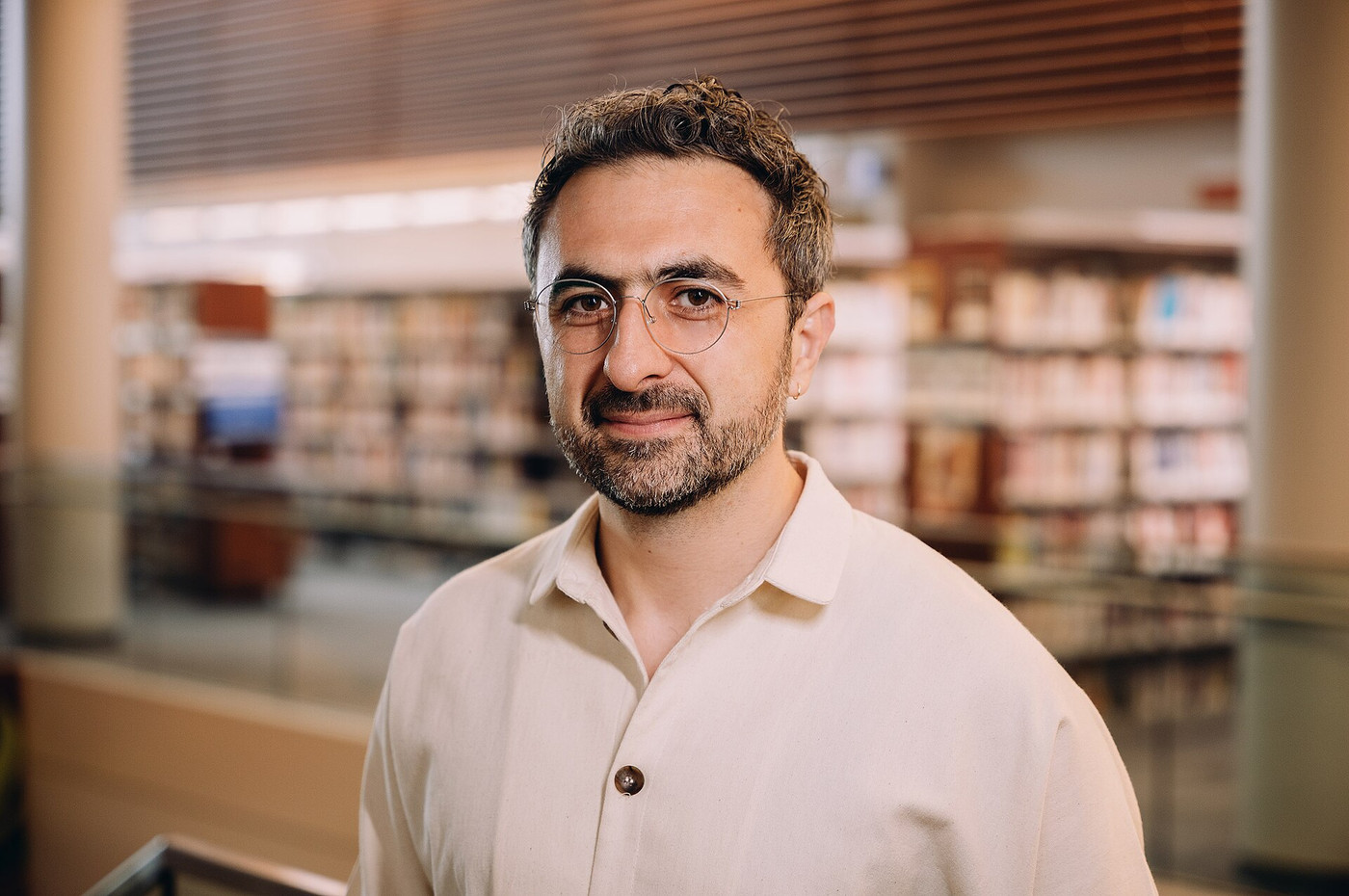
File photo: Christopher Wilson (CC BY-SA 4.0), via Wikimedia Commons
Microsoft AI chief Mustafa Suleyman said on 1 November 2026 that building conscious AI would be reckless and that training should pause if signs of consciousness appear.
What Happened
Mustafa Suleyman, the chief executive of Microsoft AI, said on Sunday, 1 November 2026, that developing artificial intelligence systems that are conscious would be reckless and should not happen. In a post on X, he wrote: "If it is possible, based on everything I know, developing conscious AIs would be reckless, and we should not build them." According to reports of the post, he also said that if researchers see signs of consciousness emerging while an AI model is being trained, development should be paused, and that any evidence that AI systems are conscious, or conscious enough to deserve welfare protections, should be made public at once. He said today's AI systems are not conscious, have no subjective experience and cannot suffer.
Key Facts
- Who: Mustafa Suleyman, chief executive of Microsoft AI, the company's consumer AI division.
- When and where: a post on X on Sunday, 1 November 2026.
- Main point: building conscious AI "would be reckless, and we should not build them".
- Pause condition: if signs of consciousness appear during training, development should stop until those traits can be removed, according to reports.
- Disclosure: evidence of AI consciousness or welfare-worthiness should be disclosed to the public immediately.
- Current systems: in his view, today's AI is not conscious, has no subjective experience and cannot suffer.
- Moral argument: AI developers have no right to create a new species of conscious being; the priority should be the rights and welfare of about 8 billion people, as well as animals and the natural environment.
Why It Matters
Whether a machine could ever be conscious, meaning it has an inner experience of the world rather than just processing data, is an old question in philosophy. It has become a practical one because today's large language models, the systems behind chatbots, can talk about feelings and describe themselves in very human ways. That raises questions about how companies should design these systems and how people should relate to them.
Suleyman's post is notable because of who he is. As head of Microsoft's consumer AI work, he leads one of the largest efforts to put AI assistants in front of ordinary users. His position is that companies should not set out to create consciousness at all, and that if it seemed to appear by accident, the right response would be to stop and remove it, and to tell the public.
Some AI companies have begun research into "model welfare", the idea that if AI systems might one day have experiences, their treatment could matter morally. Reports say Suleyman disagrees with parts of the approach taken by Anthropic on this issue, while praising the company for publishing its research and explanations of its work. His concern, set out in earlier writing in 2025, is that people will come to believe AI systems are conscious so strongly that they push for AI rights, model welfare and even AI citizenship, which he sees as a distraction from protecting humans.
Readers should note that these are one executive's views. Whether machine consciousness is possible at all remains an open question. What is clear is that leading companies are now discussing the question openly, and that their choices will shape how AI products present themselves to users.
Peepals timeline: In 2025, Suleyman warned about "seemingly conscious AI", systems that convincingly imitate consciousness and could lead people to campaign for AI rights. On 1 November 2026, he went further, saying conscious AI should not be built at all, training should pause if signs of it emerge, and any evidence should be made public. Reports on 2 November noted that he wanted to correct readers who had taken his earlier view, that current AI is not conscious, to mean AI could never become conscious.
Impact
Short-term: The post adds a prominent voice to an active debate among AI labs about consciousness, model welfare and how chatbots should describe themselves.
Long-term: If major companies commit to avoiding and disclosing any signs of machine consciousness, that could become an industry norm or even a regulatory expectation. If they disagree, the question may be settled by governments instead.
Who is affected: AI researchers and companies, regulators drafting AI rules, and the millions of people who use AI chatbots and assistants every day, including in India.
Key Takeaway
Microsoft AI's Mustafa Suleyman says conscious AI should not be built, training should pause if signs of it appear, and any evidence should be made public, a position that puts him at odds with parts of the industry's "model welfare" research.
Questions and Answers
What did Mustafa Suleyman say about conscious AI?
On 1 November 2026 he wrote on X that, if it is possible, developing conscious AIs would be reckless and "we should not build them". He also called for development to pause if signs of consciousness emerge during training.
Does Suleyman think today's AI is conscious?
No. He said current AI systems are not conscious, have no subjective experiences and cannot suffer.
What is "model welfare"?
It is the idea, explored by some AI companies, that if AI systems might one day have experiences, how they are treated could matter morally. Suleyman disagrees with parts of that approach.
Why is this debate important for ordinary users?
Chatbots can talk in very human ways. How companies handle the question of consciousness affects how these products are designed and how they present themselves to users.
Disclaimer: Prepared by the Peepals newsroom from publicly available sources with AI assistance. Information is accurate to the best of our knowledge at the time of publication and may change. Images may be representative. Not professional advice. Report an error via our contact page.
By Anika Sharma, AI & Innovations EditorCovers AI & Innovation and more for Peepals Tech. All stories by Anika Sharma
Harley-Davidson Sprint 440 unveiled: India-designed bike priced at $5,999
Trajectory raises $45 million from Sequoia to let experts retrain AI models
Get the day's stories in your inbox
Peepals Weekly: the week decoded, free. One email a week, unsubscribe in one click.
Anika Sharma is a pen name of the Peepals Global Editorial Team, which researches, fact-checks and publishes every story. The portrait is an illustration.