
San Francisco Declaration: India joins 10-nation AI supply chain pact
 By Anika SharmaAI & Innovations Editor, Peepals Tech
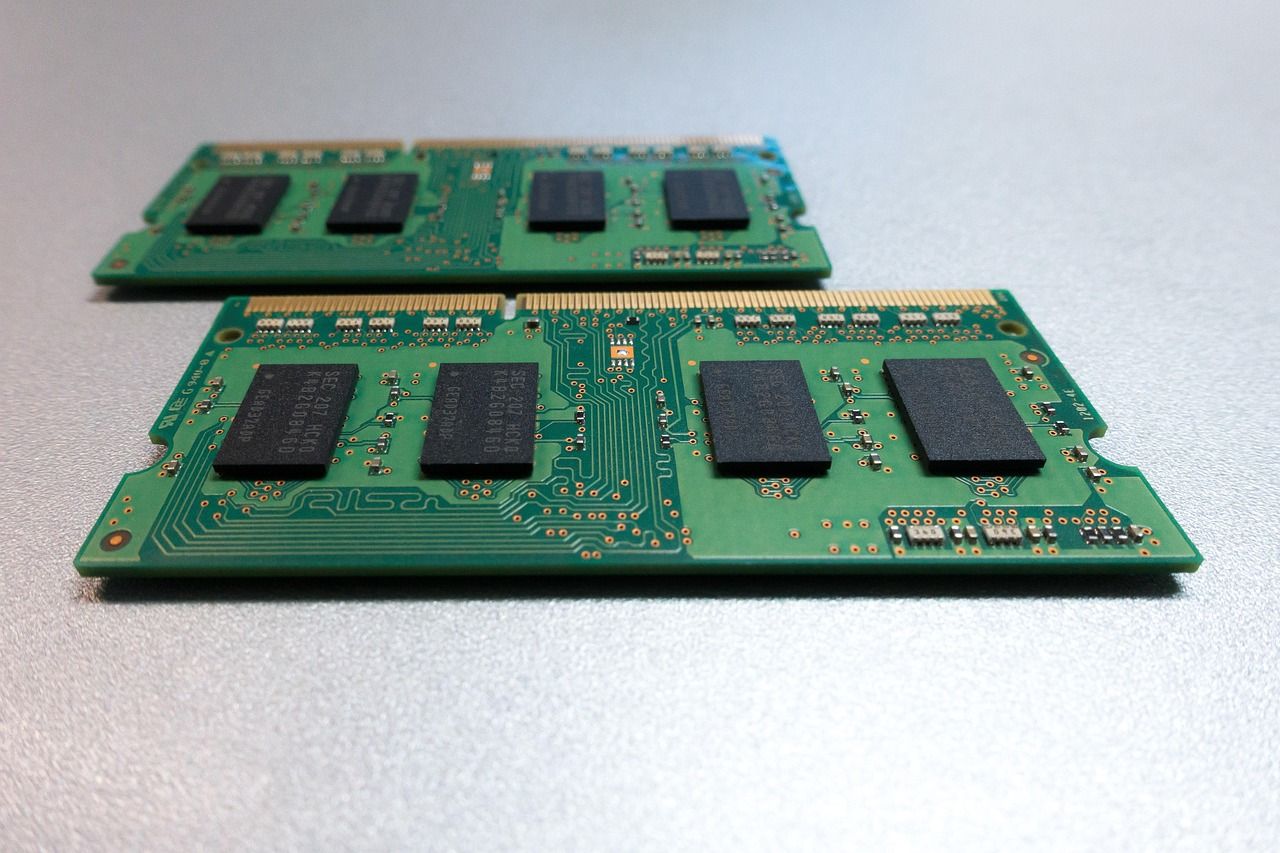
Representative image: stux / Pixabay
India signed the US-led San Francisco Declaration on 15 November 2026 with nine other governments to protect the chips, minerals and energy behind AI.
What Happened
India has signed the San Francisco Declaration on the Secure Foundations of Enduring Prosperity, a United States-led agreement meant to protect the supply chains behind artificial intelligence. The document was signed on Sunday, 15 November 2026, at the Pax Silica Founders Retreat in San Francisco, a meeting convened by Jacob Helberg, the US Under Secretary of State for Economic Affairs. According to the US State Department's account of the meeting, ten governments signed: the United States, Australia, India, Israel, Japan, South Korea, Qatar, Singapore, the United Arab Emirates and the United Kingdom.
San Francisco Declaration: key facts
- Name: San Francisco Declaration on the Secure Foundations of Enduring Prosperity.
- Signed: Sunday, 15 November 2026, in San Francisco, at a Pax Silica meeting hosted by the US State Department.
- Signatories: ten governments, the United States and nine Pax Silica partners, India among them. One report listed nine names without Singapore.
- Aim, as reported: to draw up a shared list of the technologies and supply chains that AI depends on and that need stronger protection, across chips, minerals, energy and manufacturing.
- Next step, as reported: the signing countries have committed to set up working groups on technology security and economic resilience.
- Germany, Sweden, the Netherlands and the European Commission are expected to sign next week, according to reports.
San Francisco Declaration: why it matters
A supply chain is the series of steps and suppliers needed to make a product. For AI, it starts with critical minerals, the rare metals used in electronics, and runs through semiconductors (the computer chips that do the calculations), the machines that make those chips, the electricity for large computer centres, and the ports that ship it all. If one link breaks, AI work can slow down everywhere.
Helberg made this point when he explained the agreement. He said chip design know-how, the machine that makes a chip and the port that ships it can each sit in a different country. He described the new commitment as follows: "What makes the San Francisco Declaration historic is that Pax Silica partners have agreed to treat the security of those technologies and the infrastructure behind them as a shared responsibility."
The agreement grows out of Pax Silica, a State Department initiative launched in December 2025 that focuses on AI and supply-chain security, covering critical minerals, energy, advanced manufacturing, chips and AI infrastructure. India and the United States signed the original Pax Silica declaration on 20 February 2026, during the India AI Impact Summit in New Delhi. The State Department describes the San Francisco text as a step that turns those shared principles into a working partnership. The full text had not been published at the time of the reports, so its exact commitments cannot yet be checked.
Reports also note that foreign ministers of the Quad, the grouping of India, the United States, Japan and Australia, announced earlier this month more than $85 million in technical and financial help for trusted AI infrastructure. Coverage in India has framed the declaration as part of wider technology competition with China.
Peepals calculation: four of the ten signatories (India, the United States, Japan and Australia) are Quad members, so the Quad makes up 40% of the group (4 / 10 = 0.4). If Germany, Sweden, the Netherlands and the European Commission sign as expected, the group would reach 14 and the Quad's share would fall to about 29% (4 / 14 = 0.286). Our calculation from the reported figures.
| Date | Step |
|---|---|
| 12 December 2025 (Friday) | Pax Silica declaration first signed |
| 20 February 2026 (Friday) | India and US sign Pax Silica declaration in New Delhi |
| 15 November 2026 (Sunday) | Ten governments sign the San Francisco Declaration |
| Next week (as reported) | Germany, Sweden, Netherlands and European Commission expected to sign |
Impact
Short-term: The agreement does not by itself change prices or the AI tools Indian users can get. Its first visible results are expected to be the working groups and the shared list of sensitive technologies.
Long-term: If the partners follow through, India gains a seat at the table where partners decide which parts of the AI chain, from chips to minerals, need protection.
Who is affected: Indian chip and electronics projects, data-centre builders, AI start-ups that rely on imported hardware, and government bodies that handle technology trade and security.
What to watch next: Whether Germany, Sweden, the Netherlands and the European Commission sign next week, as reported, and when the State Department publishes the full text.
Key Takeaway
India has joined nine other governments in a US-led pledge to treat the security of AI's chips, minerals and infrastructure as a shared task.
Questions and Answers
What is the San Francisco Declaration that India signed?
It is a US-led agreement signed on 15 November 2026 by ten governments, including India. Its reported aim is to protect the chips, minerals, energy and manufacturing that artificial intelligence depends on.
Which countries signed it?
According to the State Department's account, the signatories are the United States, Australia, India, Israel, Japan, South Korea, Qatar, Singapore, the United Arab Emirates and the United Kingdom. Germany, Sweden, the Netherlands and the European Commission are reported to be expected to sign next week.
How is it different from the Pax Silica declaration India signed in February?
India and the United States signed the original Pax Silica declaration on 20 February 2026 in New Delhi. The San Francisco text is described as a further step that turns those shared principles into a working partnership, with working groups on technology security.
Will this change AI products or prices for people in India?
Not directly. It is about how governments protect the chain behind AI, and any practical effect depends on the working groups and the full text, which is not yet public.
Disclaimer: Prepared by the Peepals newsroom from publicly available sources with AI assistance. Information is accurate to the best of our knowledge at the time of publication and may change. Images may be representative. Not professional advice. Report an error via our contact page.
By Anika Sharma, AI & Innovations EditorCovers AI & Innovation and more for Peepals Tech. All stories by Anika Sharma
Project Helix: Microsoft says next Xbox is a console first, plays PC games
Alexa for Shopping reaches India: free AI assistant merges Rufus, Alexa+
Get the day's stories in your inbox
Peepals Weekly: the week decoded, free. One email a week, unsubscribe in one click.
Anika Sharma is a pen name of the Peepals Global Editorial Team, which researches, fact-checks and publishes every story. The portrait is an illustration.
Responsible for this story: the Peepals Global Editorial Team, led by editor Prashant Sonar. How we report