
Tamil Nadu BESS Policy 2026: 10% battery storage mandatory for new solar
 By Meera IyerGovernance & Policy Editor, Peepals Bharat
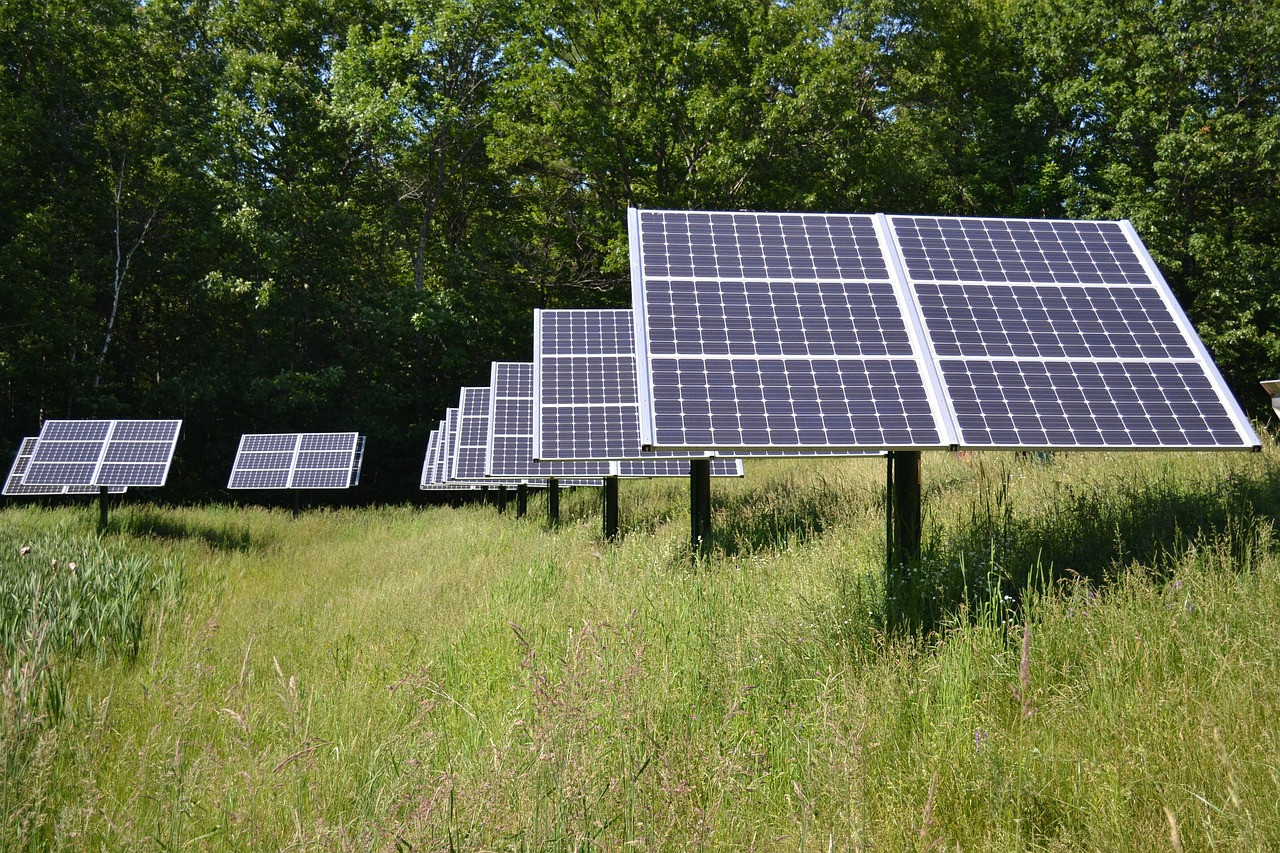
Representative image: WikimediaImages / Pixabay
Tamil Nadu's BESS Policy 2026, released on 3 November, targets at least 2.5 GW / 10 GWh of battery storage and makes 10% storage mandatory for new solar projects.
What Happened
Tamil Nadu has notified its Battery Energy Storage Systems (BESS) Policy 2026, released in Chennai on Tuesday, 3 November 2026 through an Energy Department notification. The policy sets a target of at least 2.5 gigawatts (GW), or 10 gigawatt-hours (GWh), of battery storage while it is in force, requires every new solar or solar-hybrid project of 1 megawatt (MW) or more to add battery storage equal to at least 10% of its solar capacity, and waives transmission and wheeling charges for eligible storage projects. The state power distribution company will buy the first 2,500 MW / 10,000 MWh of storage through competitive bidding.
Key Facts
- Notified: BESS Policy 2026, released in Chennai on 3 November 2026 by the state Energy Department.
- Target: at least 2.5 GW / 10 GWh of battery storage during the policy period, according to most reports; one report gives a 10 GW figure, which is not confirmed by the others.
- Mandate: new solar and solar-hybrid projects of 1 MW and above must install storage of at least 10% of their solar capacity. Existing solar and wind projects of 1 MW and above are encouraged, not required, to add storage.
- Incentive: a full waiver of transmission and wheeling charges (the fees for using the power grid to carry electricity), reported as lasting 10 years from commercial operation.
- Condition: the waiver applies only if the energy discharged during non-solar hours is used within Tamil Nadu, and eligible capacity is capped at 10 GWh.
- Procurement: TNPDCL, the state's power distribution company, will procure 2,500 MW / 10,000 MWh in the first phase through competitive bidding, with prices approved by the Tamil Nadu Electricity Regulatory Commission (TNERC).
- Nodal agency: TNGECL, the state's green energy corporation, will run a single-window portal and project registry.
- Safety: projects must follow Central Electricity Authority safety rules and the Battery Waste Management Rules, 2022.
Why It Matters
Solar power is cheap but arrives only in daylight. Without storage, a state with a lot of solar has too much power at noon and too little after sunset, when demand peaks in homes. Large batteries solve that by charging during the day and discharging in the evening. Tamil Nadu's policy uses two levers at once: it orders new solar plants to add batteries, and it makes stand-alone storage cheaper by waiving grid charges, provided the evening power is used inside the state.
For citizens, the effect is indirect but real. Storage helps the state's power distribution company meet evening demand without buying expensive power at short notice, which affects its finances and, over time, tariffs and the reliability of supply. For industry, the policy creates a market for battery projects, from installers to companies that make energy management software, and the rules ask for domestically developed energy management platforms.
The 10% mandate also changes the economics of every new solar project in the state. Developers will need to add the cost of batteries to their bids, which may raise the price of new solar power slightly but makes that power more useful to the grid.
Peepals calculation: The first-phase purchase of 2,500 MW / 10,000 MWh means batteries that can run at full output for four hours (10,000 MWh ÷ 2,500 MW = 4 hours), enough to cover the evening after sunset. Under the 10% mandate, a new 100 MW solar plant must add at least 10 MW of storage. Our calculation from the reported figures.
| Item | Policy provision |
|---|---|
| Target | At least 2.5 GW / 10 GWh |
| Mandate for new solar (1 MW and above) | Storage of at least 10% of solar capacity |
| Grid charges | Transmission and wheeling waived, reported for 10 years |
| First-phase purchase by TNPDCL | 2,500 MW / 10,000 MWh, by competitive bidding |
| Nodal agency | TNGECL |
Impact
Short-term: TNPDCL's first tender for 2,500 MW / 10,000 MWh and TNGECL's single-window portal are the next practical steps; solar developers planning new projects must now budget for storage.
Long-term: If the target is met, Tamil Nadu will be able to shift a large share of daytime solar power into the evening, reducing costly peak purchases and supporting more renewable capacity.
Who is affected: Solar and wind developers, battery makers and installers, TNPDCL and TNGECL, industrial power users, and electricity consumers across the state.
Key Takeaway
Tamil Nadu's BESS Policy 2026, released on 3 November 2026, targets at least 2.5 GW / 10 GWh of battery storage, orders new solar plants to add 10% storage, and waives grid charges for storage used within the state.
Questions and Answers
What is Tamil Nadu's BESS Policy 2026?
It is the state's battery energy storage policy, released on 3 November 2026, which targets at least 2.5 GW / 10 GWh of storage, makes storage mandatory for new solar projects of 1 MW and above, and offers a waiver of grid charges.
Do new solar plants in Tamil Nadu need batteries?
Yes. New solar and solar-hybrid projects of 1 MW and above must install battery storage of at least 10% of their solar capacity. Existing plants are encouraged but not required to add it.
What incentive does the policy offer?
A waiver of transmission and wheeling charges, reported as lasting 10 years, for storage whose evening output is used within Tamil Nadu, up to an eligible cap of 10 GWh.
Who will buy the storage capacity?
TNPDCL will procure 2,500 MW / 10,000 MWh in the first phase through competitive bidding, with prices approved by the state electricity regulator.
Disclaimer: Prepared by the Peepals newsroom from publicly available sources with AI assistance. Information is accurate to the best of our knowledge at the time of publication and may change. Images may be representative. Not professional advice. Report an error via our contact page.
By Meera Iyer, Governance & Policy EditorCovers Governance & Policy and more for Peepals Bharat. All stories by Meera Iyer
Sabarimala KSRTC AC buses: direct airport-to-Pamba service from Kochi, Thiruvananthapuram
Tata Steel Q2: India unit's Rs 5,055 crore profit lifts group 18%
Get the day's stories in your inbox
Peepals Weekly: the week decoded, free. One email a week, unsubscribe in one click.
Meera Iyer is a pen name of the Peepals Global Editorial Team, which researches, fact-checks and publishes every story. The portrait is an illustration.