
AI bubble in China: STAR 50 crashes 40%, wiping out $480 billion
 By Rohit SharmaMarkets Analyst, Peepals Business
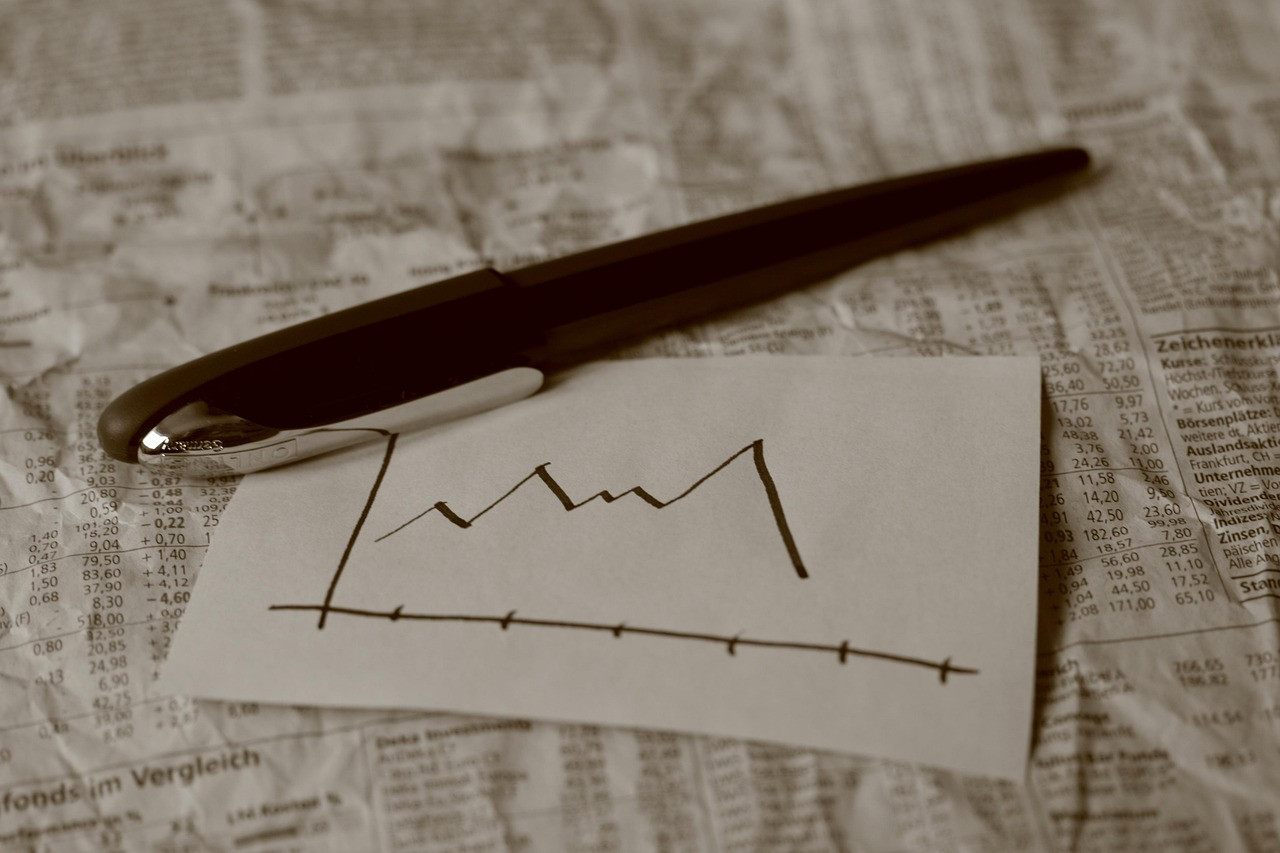
Representative image: Joa70 / Pixabay
China's STAR 50 index of AI and chip stocks has fallen about 40% in under four months, erasing about $480 billion, while the CSI 300 is down about 20%.
What Happened
China's artificial intelligence stocks have crashed while the rest of the world still debates whether there is an AI bubble. The STAR 50 index, which tracks leading Chinese technology, AI and semiconductor companies listed on Shanghai's STAR Market, fell about 40% in under four months, wiping out roughly $480 billion in market value, according to market reports from October 26 and 27, 2026. The broader CSI 300 index of large Chinese companies has dropped about 20% from its June peak, a fall of the size usually described as a bear market. Shares of optical-parts makers Zhongji Innolight and Eoptolink Technology are down around 60% from their highs in June and July.
Key Facts
- STAR 50 index: down about 40% in under four months, erasing roughly $480 billion in market value.
- CSI 300 index: down about 20% from its June 2026 peak.
- Zhongji Innolight and Eoptolink Technology: down roughly 60% from their June-July highs, partly as Washington moves towards barring them from supplying US data centres.
- Unitree: shares of the robot maker, whose listing was reported to be 8,000 times oversubscribed by retail investors, have halved since trading began in August.
- US comparison: the Nasdaq fell about 6% from a record high reached three weeks earlier, a much smaller setback.
- Outlook: Morgan Stanley reportedly expects offshore Chinese stocks to fall a further 10% to 15% before they bottom.
Why It Matters
For more than a year, investors around the world have argued over whether the excitement around AI has pushed share prices too high. In China, that question appears to have been answered, at least for now. Prices of AI-linked companies rose so fast that, once worries set in about future demand for AI hardware and about US restrictions on Chinese exports, there was little to hold them up. Traders also pointed to high valuations and tax bills as reasons for selling, even without a single clear trigger.
The fall is particularly sharp for companies tied to the global AI supply chain. Makers of optical components, which carry data at high speed between servers in AI data centres, had been among the biggest winners. As the United States moves towards banning some of them from supplying American data centres, their main growth market is at risk, and their shares have lost more than half their value.
Ordinary investors in China are feeling it directly. The case of Unitree, a robot maker whose shares drew enormous demand from retail buyers at listing and have since halved, shows how quickly enthusiasm can turn into losses for small investors who buy at the peak.
The crash also matters outside China. Analysts have pointed to it as a warning sign for US technology stocks, which have also fallen, though far less. If demand for AI hardware slows, or trade restrictions tighten further, other markets with heavy exposure to AI-linked companies could face similar pressure. Not everyone sees the drop as bad news, though: some observers argue that letting excessive prices deflate is healthy for China's market over the long term.
| Measure | Move reported |
|---|---|
| STAR 50 index | Down about 40% in under four months |
| Value lost | About $480 billion |
| CSI 300 index | Down about 20% from June peak |
| Zhongji Innolight, Eoptolink | Down about 60% from June-July highs |
| Nasdaq | Down about 6% from record high |
Impact
Short-term: Chinese technology shares remain under pressure, and Morgan Stanley's reported view is that offshore Chinese stocks may fall further before stabilising. Retail investors who bought AI and robotics shares near their highs face heavy losses.
Long-term: The episode may cool the rush of AI and chip listings in China and push investors to focus more on profits and real demand than on themes. It may also make global investors more cautious about AI-linked valuations elsewhere.
Who is affected: Investors in Chinese technology stocks, especially retail buyers; Chinese AI, chip and optical-parts companies; global funds with exposure to China; and investors in AI-linked shares in other markets watching for signs of a wider correction.
Key Takeaway
China's STAR 50 index of AI and chip leaders has fallen about 40% in under four months, wiping out about $480 billion, a crash that many see as a warning for AI stocks worldwide.
Questions and Answers
Has the AI bubble burst in China?
Chinese AI stocks have crashed. The STAR 50 index of tech and chip leaders fell about 40% in under four months, erasing about $480 billion in value, according to reports on October 26-27, 2026.
Why did Chinese AI stocks fall?
Reports point to worries about demand for AI hardware, US moves to restrict Chinese suppliers, very high valuations and tax bills, rather than one clear trigger.
How does China's fall compare with the US market?
The decline is far steeper in China. The Nasdaq was reported to be down about 6% from its record high, compared with about 40% for China's STAR 50.
Will Chinese stocks fall further?
Morgan Stanley reportedly expects offshore Chinese stocks to drop another 10% to 15% before they bottom, but forecasts are uncertain. This article does not offer investment advice.
Disclaimer: Prepared by the Peepals newsroom from publicly available sources with AI assistance. Information is accurate to the best of our knowledge at the time of publication and may change. Images may be representative. Not professional advice. Report an error via our contact page.
By Rohit Sharma, Markets AnalystCovers Markets Watch and more for Peepals Business. All stories by Rohit Sharma
Airtel leads as machines outpace people in new mobile connections
Fire Point says its long-range strikes no longer need Starlink
Get the day's stories in your inbox
Peepals Weekly: the week decoded, free. One email a week, unsubscribe in one click.
Rohit Sharma is a pen name of the Peepals Global Editorial Team, which researches, fact-checks and publishes every story. The portrait is an illustration.