
Windfall tax: petrol exports duty-free, diesel and ATF levies raised
 By Neha KapoorEconomy Correspondent, Peepals Business
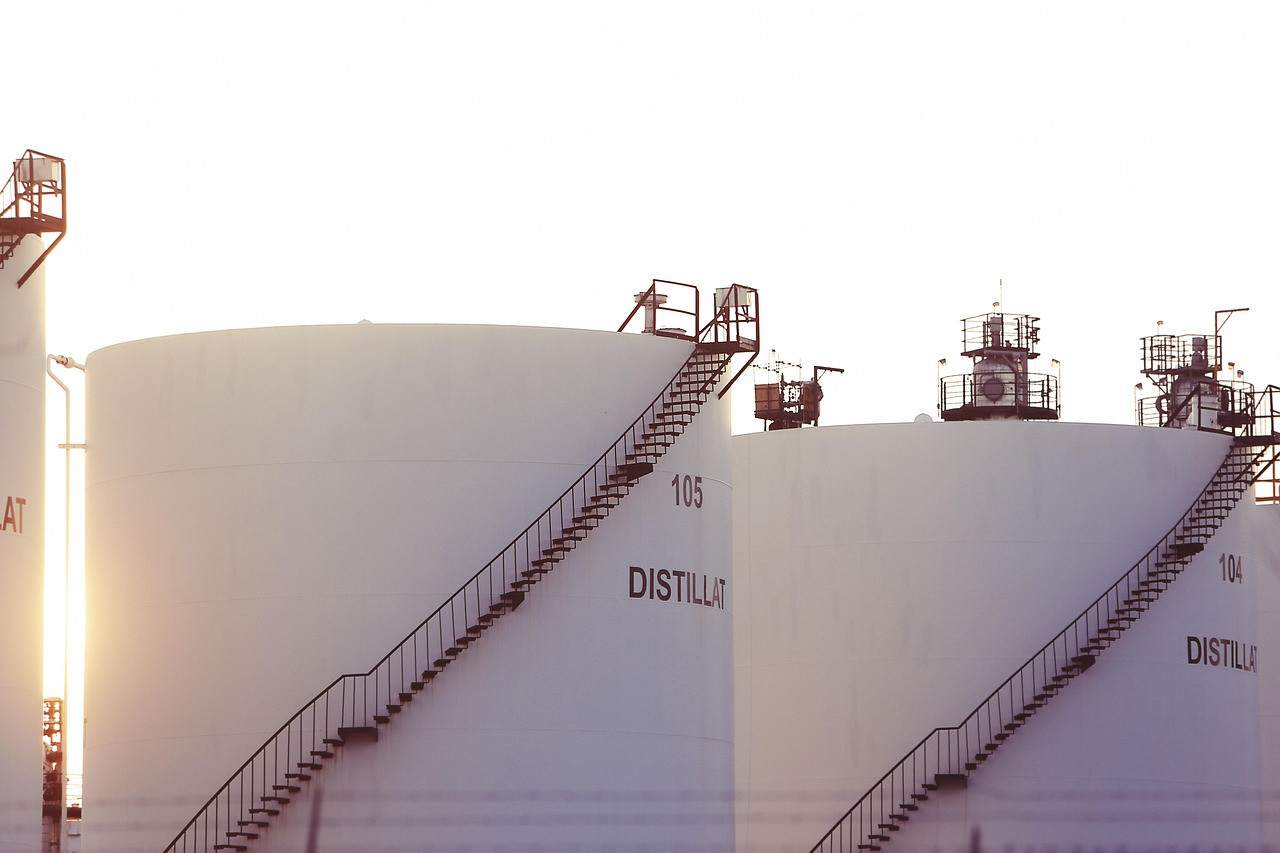
Representative image: Life-Of-Pix / Pixabay
From October 31, 2026, India cut the windfall tax on petrol exports to nil and raised it to Rs 11.5 a litre on diesel and Rs 11 on ATF; pump prices unchanged.
What Happened
The Centre has revised the windfall tax on fuel exports, making petrol exports duty-free and raising the levy on diesel and aviation turbine fuel (ATF) exports, with the new rates in force from Friday, October 31, 2026, for the next fortnight. The special additional excise duty (SAED), together with the road and infrastructure cess, on diesel exports went up to Rs 11.5 a litre from Rs 8.5. The levy on ATF exports rose to Rs 11 a litre from Rs 10.5, and the duty on petrol exports was cut to nil from Rs 2.5. The Finance Ministry said there was no change in the duties on petrol and diesel sold within India, so pump prices are not affected.
Key Facts
- New rates took effect on October 31, 2026, under a Finance Ministry notification (No. 56/2026-Central Excise), and apply for a fortnight.
- Diesel exports: Rs 11.5 a litre, up from Rs 8.5.
- ATF exports: Rs 11 a litre, up from Rs 10.5.
- Petrol exports: nil, down from Rs 2.5 a litre.
- Domestic duties on petrol and diesel are unchanged.
- The rates are reviewed every 15 days based on average international prices of crude oil, petrol, diesel and ATF over the period.
- In the previous revision, effective October 16, the government had raised the petrol export levy to Rs 2.5 from Rs 0.5 and cut the diesel export levy to Rs 8.5 from Rs 16.
Why It Matters
A windfall tax is a levy on profits that a business earns because of an outside shock rather than its own effort. In this case the shock is high and volatile international fuel prices. When global prices for diesel or jet fuel jump, Indian refiners can earn unusually large margins by selling abroad instead of at home. The export levy takes a share of those extra earnings for the government and, by making exports less attractive, encourages refiners to keep enough fuel in the domestic market.
The levies were introduced on March 27 this year amid tensions in West Asia, which pushed up and unsettled global oil markets, and the rates have been revised every fortnight since then. The pattern of change tells its own story. In August, the levies were far higher than now; by mid-October, the diesel levy had been almost halved. This latest move raises it again, which suggests that international diesel margins have firmed over the past two weeks, while petrol margins abroad have softened enough for the government to drop the levy on petrol exports entirely.
The rates matter most for refiners that export a large share of their output. For them, every rupee on the diesel export levy changes the profit on millions of litres. For the government, the levy brings in revenue that changes with global prices. For ordinary consumers, the direct effect is nil, because the government has kept domestic duties unchanged.
| Product | Export levy until October 30 | Export levy from October 31 |
|---|---|---|
| Diesel | Rs 8.5 a litre | Rs 11.5 a litre |
| ATF | Rs 10.5 a litre | Rs 11 a litre |
| Petrol | Rs 2.5 a litre | Nil |
| Domestic petrol and diesel | No change | No change |
Impact
Short-term: Refiners exporting diesel and jet fuel pay more per litre for the next two weeks, which trims their export margins, while petrol exports become more attractive with no levy at all. Pump prices for petrol and diesel in India stay where they are.
Long-term: As long as the fortnightly reviews continue, refiners will plan exports around a moving tax that follows global prices. A steady fall in international margins would bring the levies down; renewed tension in West Asia could push them back up. The system also gives the government a lever to keep fuel supplies at home if global prices spike.
Who is affected: Oil refining companies that export fuel, particularly diesel and ATF; overseas buyers of Indian diesel and jet fuel; the central government's revenue; and, indirectly, Indian consumers, since the levy helps keep fuel available in the domestic market.
Key Takeaway
From October 31, 2026, India has scrapped the windfall tax on petrol exports and raised it on diesel and ATF exports for a fortnight, with no change to pump prices.
Questions and Answers
What is the new windfall tax on diesel exports?
From October 31, 2026, the special additional excise duty and cess on diesel exports is Rs 11.5 a litre, up from Rs 8.5, for the next fortnight.
Will petrol and diesel prices at the pump change because of this windfall tax revision?
No. The Finance Ministry said duties on petrol and diesel sold for domestic use are unchanged. The revision applies only to exports.
Why has the petrol export levy been cut to zero?
The government reviews the levies every 15 days based on average international prices. A nil levy indicates that export margins on petrol have eased enough that the government no longer sees windfall gains to tax for this fortnight.
When will the windfall tax be reviewed again?
The rates apply for a fortnight from October 31, 2026, so the next revision is due in mid-November, based on average global prices of crude oil and fuels over that period.
Disclaimer: Prepared by the Peepals newsroom from publicly available sources with AI assistance. Information is accurate to the best of our knowledge at the time of publication and may change. Images may be representative. Not professional advice. Report an error via our contact page.
By Neha Kapoor, Economy CorrespondentCovers Economy and more for Peepals Business. All stories by Neha Kapoor
Get the day's stories in your inbox
Peepals Weekly: the week decoded, free. One email a week, unsubscribe in one click.
Neha Kapoor is a pen name of the Peepals Global Editorial Team, which researches, fact-checks and publishes every story. The portrait is an illustration.