
World Bank: India's extreme poverty fell from 27.1% to 2.6% in 2011-23
 By Neha KapoorEconomy Correspondent, Peepals Business
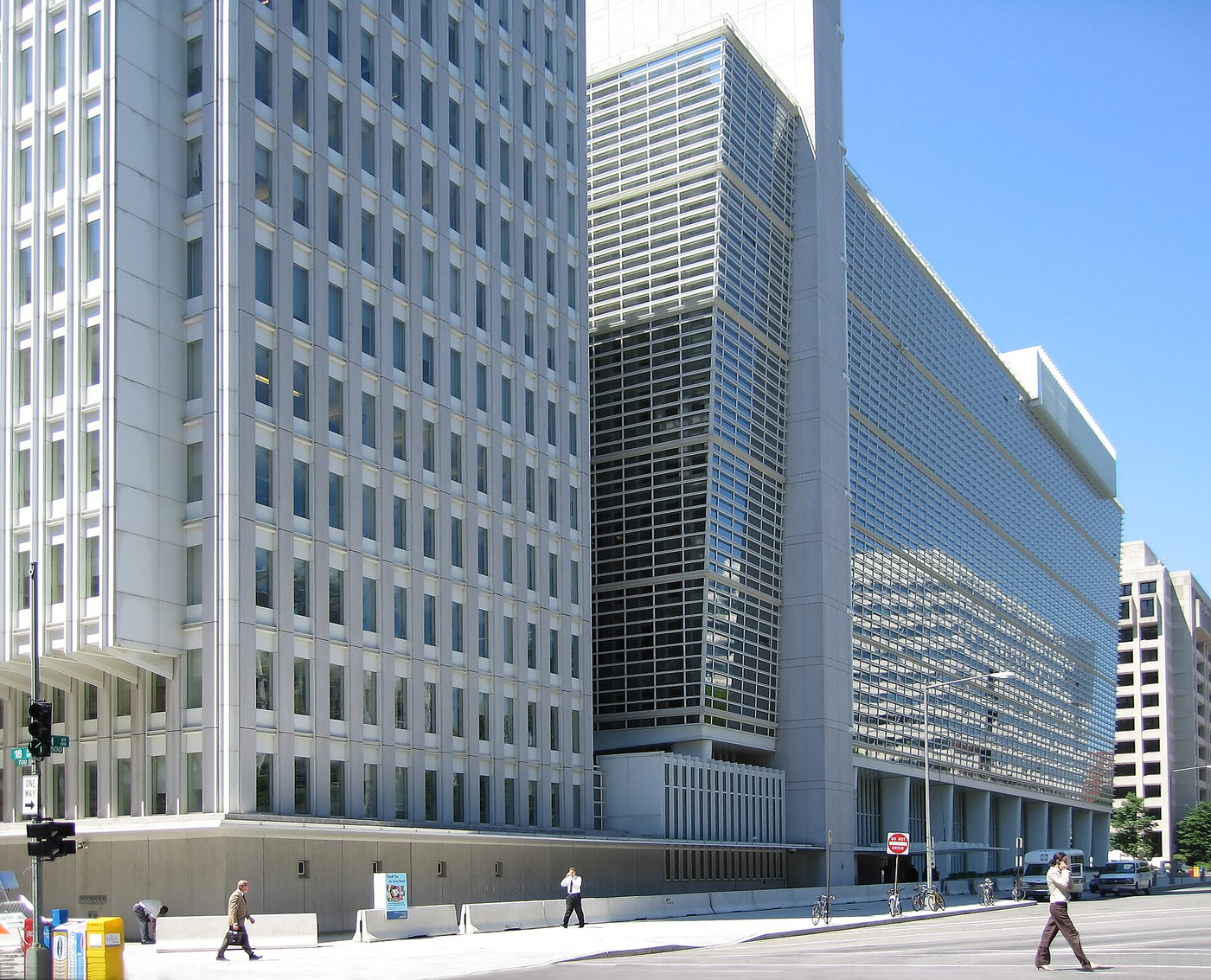
File photo: Shiny Things (CC BY 2.0), via Wikimedia Commons
The World Bank says India's extreme poverty fell from 27.1% in 2011 to 2.6% in 2023, lifting about 496 million people, but flags flat real earnings.
What Happened
Extreme poverty in India fell from 27.1% of the population in 2011 to 2.6% in 2023, lifting an estimated 496 million people out of poverty over that period, according to the World Bank's latest Poverty and Equity Brief for India, as reported on October 30, 2026. The figures use the World Bank's international extreme poverty line of $3 a day, measured in 2021 purchasing power parity (PPP) terms. At the higher $4.20-a-day line used for lower-middle-income countries, the share of Indians below the line fell from 57.7% in 2011 to 16.1% in 2023. The Bank credited strong consumption growth, rising employment, especially among women, and expanded social transfers, including food subsidies, but flagged flat real earnings and a concentration of the remaining poor in a belt of eastern states.
Key Facts
- Extreme poverty ($3 a day, 2021 PPP): 27.1% in 2011 to 2.6% in 2023, according to the World Bank brief.
- People moved out of extreme poverty: an estimated 496 million between 2011 and 2023.
- Poverty at the $4.20-a-day line: 57.7% in 2011 to 16.1% in 2023.
- Projection: the $4.20-a-day poverty rate is expected to fall from an estimated 14.2% in 2026 to 12.1% by 2028.
- Drivers cited: consumption growth, rising employment (particularly among women) and social transfers such as food subsidies.
- Concerns cited: flat real earnings, job growth concentrated in low-productivity work, and about 57% of India's poor living in a belt from Uttar Pradesh to West Bengal.
Why It Matters
Poverty numbers are among the most closely watched measures of how a country's growth is shared. A fall in extreme poverty from more than a quarter of the population to under 3% in twelve years, if it holds up, is among the fastest declines in the world, as reports of the brief describe it. It means that hundreds of millions of people who once struggled to meet basic needs now consume above the World Bank's minimum line.
The brief is careful, though, not to declare the job done. The World Bank notes that some of the recent improvement may reflect changes in how consumption is measured in India's household surveys, alongside genuine gains in welfare. It also points out that real earnings have been flat, which means many workers are not seeing their incomes rise after inflation, and that much of the growth in jobs has been in low-productivity work. Those patterns suggest that many families who have crossed the poverty line remain close to it and vulnerable to shocks such as illness, crop failure or job loss.
The regional picture matters just as much. With about 57% of India's remaining poor concentrated in a contiguous belt from Uttar Pradesh to West Bengal, poverty is increasingly a question of specific states and districts, not the country as a whole. That points policy towards targeted investment in those regions: jobs, schools, health and infrastructure.
The higher $4.20 line is a useful reminder of the scale still to cover. One in six Indians was below that line in 2023, and the World Bank expects progress to slow, with the rate at that line falling only to 12.1% by 2028.
| Measure | 2011 | 2023 |
|---|---|---|
| Extreme poverty ($3 a day) | 27.1% | 2.6% |
| Poverty at $4.20 a day | 57.7% | 16.1% |
| Projected poverty at $4.20 a day | 14.2% (2026 estimate) | 12.1% (2028 projection) |
Impact
Short-term: The findings feed directly into the political and policy debate on India's economy, with the government's supporters pointing to the fall in extreme poverty and critics pointing to flat earnings and measurement questions. The data will also shape how welfare schemes such as food subsidies are judged.
Long-term: Sustaining progress will depend on raising productivity and real wages, not only on transfers. Policies aimed at better-paid jobs, skills and the lagging eastern states are likely to matter most for the people still below or just above the line.
Who is affected: Low-income households across India, especially in the Uttar Pradesh to West Bengal belt; workers in low-productivity jobs; women entering the workforce; and policymakers designing welfare and employment programmes.
Key Takeaway
The World Bank says India's extreme poverty fell from 27.1% in 2011 to 2.6% in 2023, but flat real earnings and a concentration of the poor in eastern states show the gains are uneven and fragile.
Questions and Answers
What does the World Bank say about poverty in India?
The World Bank's Poverty and Equity Brief, reported on October 30, 2026, says extreme poverty in India, measured at $3 a day in 2021 PPP terms, fell from 27.1% in 2011 to 2.6% in 2023, with about 496 million people moving out of extreme poverty.
What is the $4.20-a-day poverty rate in India?
At the $4.20-a-day line used for lower-middle-income countries, poverty fell from 57.7% in 2011 to 16.1% in 2023. The World Bank projects it at 12.1% by 2028.
Where are most of India's poor now?
About 57% of India's poor live in a contiguous belt stretching from Uttar Pradesh to West Bengal, according to the brief.
Does the World Bank see any problems behind the numbers?
Yes. It says real earnings have been flat, job growth has been concentrated in low-productivity work, and some of the recent gains may reflect changes in measurement as well as real improvements in welfare.
Disclaimer: Prepared by the Peepals newsroom from publicly available sources with AI assistance. Information is accurate to the best of our knowledge at the time of publication and may change. Images may be representative. Not professional advice. Report an error via our contact page.
By Neha Kapoor, Economy CorrespondentCovers Economy and more for Peepals Business. All stories by Neha Kapoor
Cyclone Arnab: central team tours Andhra; loss put at Rs 4,764 crore
Airtel leads as machines outpace people in new mobile connections
Get the day's stories in your inbox
Peepals Weekly: the week decoded, free. One email a week, unsubscribe in one click.
Neha Kapoor is a pen name of the Peepals Global Editorial Team, which researches, fact-checks and publishes every story. The portrait is an illustration.