
AMD stock: OpenAI, Meta warrants cost $1.1 billion as data centre doubles
 By Rohit SharmaMarkets Analyst, Peepals Business
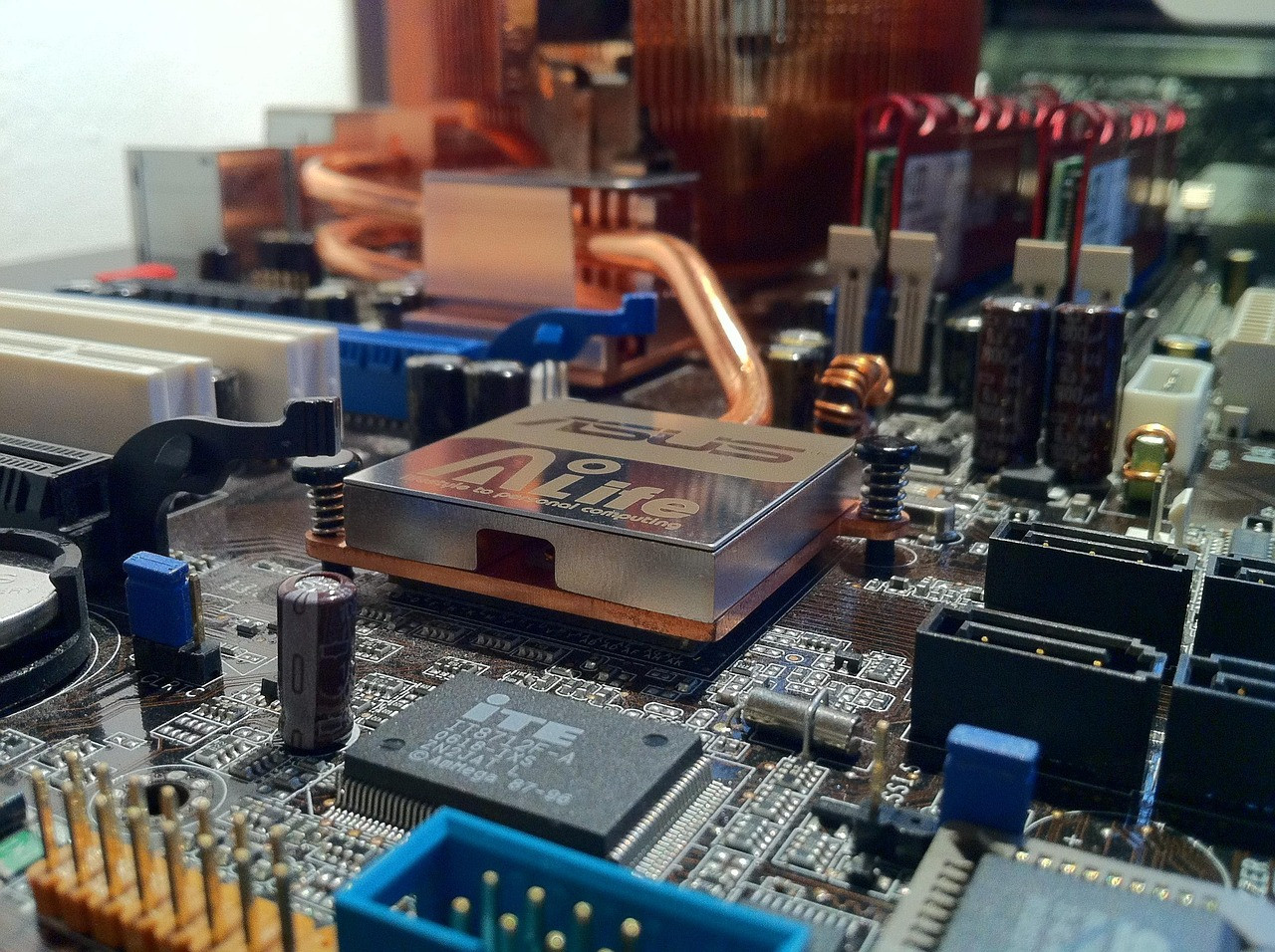
Representative image: AcidCrow / Pixabay
AMD's data-centre revenue rose 97% to $8.5 billion in Q3 2026, reported on 3 November, but a $1.1 billion charge tied to OpenAI and Meta warrants cut profit.
What Happened
AMD, the US chip designer, reported record data-centre revenue of $8.5 billion for its third quarter, up 97% from a year earlier, in results released on Tuesday, 3 November 2026. But its profit under standard accounting rules was cut by a charge of about $1.1 billion linked to the share warrants it has given OpenAI and Meta as part of large AI chip-supply deals. A warrant is a right to buy a company's shares later at a fixed price; as AMD's share price rose, the estimated value of those rights rose too, and AMD had to record the increase as a cost.
Key Facts
- Results date: 3 November 2026, for the quarter ended in late September.
- Total revenue: $13.4 billion.
- Data centre: record $8.5 billion, up 97% year on year, driven by EPYC server processors and the launch of Instinct MI450 Series GPUs, according to AMD.
- Gaming: $773 million, down 40%, which AMD put down to lower semi-custom and graphics revenue.
- Warrant charge: about $1.1 billion, a non-cash charge from the change in fair value of warrants issued to certain customers; one report puts it at about $1.07 billion.
- Profit: GAAP net income of $2.4 billion, or $1.46 per diluted share; non-GAAP earnings of $2.09 per share, up from $1.20 a year earlier.
- Warrant terms: OpenAI and Meta can each acquire up to 160 million AMD shares at $0.01 each, subject to performance milestones, according to reports.
- Outlook: AMD expects fourth-quarter revenue of about $17 billion, plus or minus 3%.
Why It Matters
AMD's deals with OpenAI and Meta show a new way chip companies are winning AI business. Instead of simply selling chips, AMD has offered its biggest customers the chance to own part of the company if they buy enough. That ties the customers to AMD's success, but it also has an accounting cost: every time AMD's share price rises, the warrants become more valuable and AMD records a bigger charge.
Chief Financial Officer Jean Hu said these fair-value adjustments are expected to grow in later quarters as AMD ships MI450-series chips and the agreements progress. She said the charges are non-cash and do not affect AMD's non-GAAP earnings or free cash flow. Investors will have to look at both measures to understand how the business is doing.
For businesses buying technology, the results show where spending is going. Data-centre chips for AI and cloud computing now make up the large majority of AMD's sales, while gaming, once a pillar, is shrinking. That reflects how companies and cloud providers are pouring money into AI infrastructure, the computing power behind services such as chatbots. It also helps explain why markets reacted so sharply on 5 November, when investors began to worry about limits on new data centres in the United States.
Peepals calculation: Data-centre sales made up about 63% of AMD's revenue this quarter (8.5 ÷ 13.4 = 0.634). A 97% rise to $8.5 billion means data-centre revenue was about $4.3 billion a year earlier (8.5 ÷ 1.97 ≈ 4.31). Gaming's 40% fall to $773 million implies about $1.29 billion a year ago (0.773 ÷ 0.60). The guidance of about $17 billion for the fourth quarter would be roughly 27% more than this quarter's $13.4 billion (17 ÷ 13.4 ≈ 1.27). Our calculation from the reported figures.
| Item | Q3 2026 | Change from a year earlier |
|---|---|---|
| Total revenue | $13.4 billion | not given here |
| Data centre | $8.5 billion | up 97% |
| Gaming | $773 million | down 40% |
| GAAP earnings per share | $1.46 | up from $0.75 |
| Non-GAAP earnings per share | $2.09 | up from $1.20 |
Impact
Short-term: AMD's headline profit will keep moving with its own share price as long as the OpenAI and Meta warrants are outstanding, which makes its standard accounts harder to read.
Long-term: If the supply deals proceed as planned, OpenAI and Meta could become significant shareholders in AMD, deepening their ties to the company.
Who is affected: AMD's shareholders; cloud and AI companies buying data-centre chips; PC gamers and console makers who use AMD graphics and custom chips; and businesses planning AI infrastructure.
What to watch next: AMD's fourth-quarter results against its guidance of about $17 billion, and the size of the next warrant charge, which the company expects to rise.
Key Takeaway
AMD's data-centre revenue nearly doubled to a record $8.5 billion in the third quarter of 2026, but a $1.1 billion non-cash charge tied to warrants given to OpenAI and Meta cut its reported profit.
Questions and Answers
Why did AMD take a $1 billion charge in Q3 2026?
Because of warrants it gave OpenAI and Meta in AI chip-supply deals. As AMD's share price rose, the estimated value of those warrants increased, and AMD recorded about $1.1 billion as a non-cash charge.
How much did AMD's data-centre revenue grow?
It rose 97% from a year earlier to a record $8.5 billion in the third quarter of 2026.
Did the charge affect AMD's cash?
No. AMD's finance chief said the charge is non-cash and does not affect non-GAAP earnings or free cash flow.
What is AMD's outlook for the next quarter?
AMD expects fourth-quarter revenue of about $17 billion, plus or minus 3%.
Disclaimer: Prepared by the Peepals newsroom from publicly available sources with AI assistance. Information is accurate to the best of our knowledge at the time of publication and may change. Images may be representative. Not professional advice. Report an error via our contact page.
By Rohit Sharma, Markets AnalystCovers Markets Watch and more for Peepals Business. All stories by Rohit Sharma
Broken rice export curbs may return as prices top $360: IREF
KOSPI falls below 5,000, circuit breaker hit as Samsung, SK Hynix slide
Get the day's stories in your inbox
Peepals Weekly: the week decoded, free. One email a week, unsubscribe in one click.
Rohit Sharma is a pen name of the Peepals Global Editorial Team, which researches, fact-checks and publishes every story. The portrait is an illustration.