
RBA rate hike: Australia lifts cash rate to 4.85% in split 6-3 vote
 By Neha KapoorEconomy Correspondent, Peepals Business
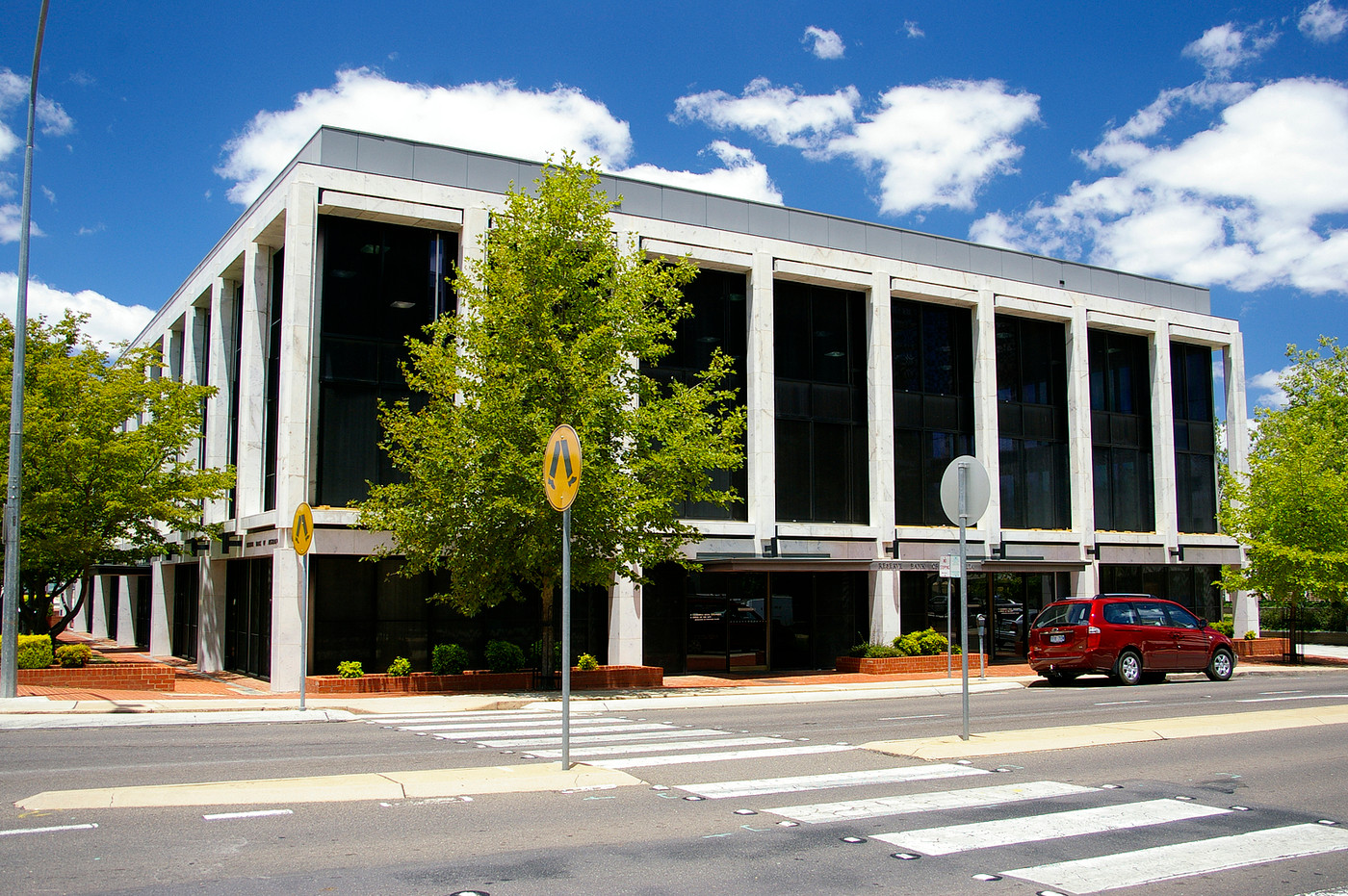
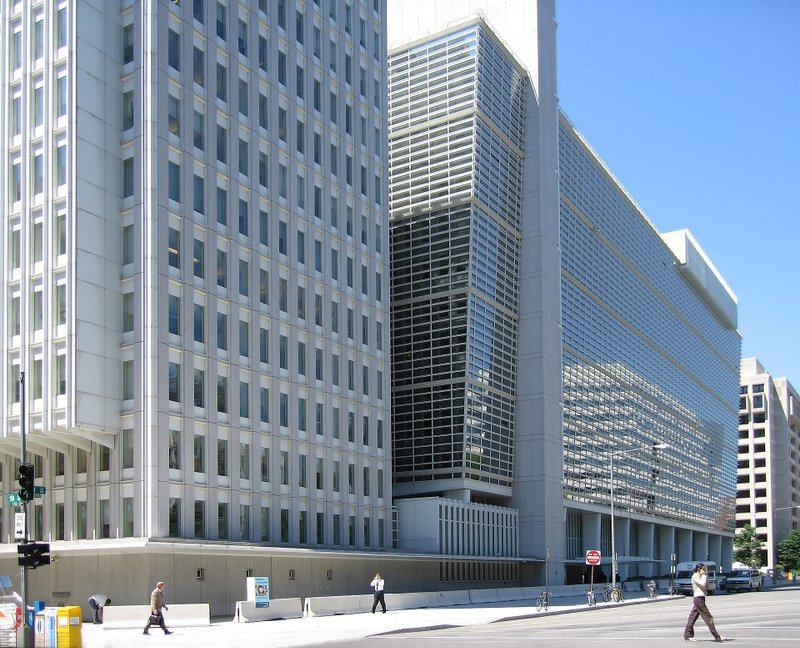
File photo: Bidgee (CC BY-SA 3.0), via Wikimedia Commons
The Reserve Bank of Australia raised its cash rate by 0.25 point to 4.85% on 3 November 2026, its fifth hike this year and highest level since 2008.
What Happened
The Reserve Bank of Australia (RBA) raised its official cash rate by 25 basis points to 4.85 per cent on Tuesday, 3 November 2026, at the end of its board meeting held on Melbourne Cup day. It was the bank's fifth increase of the year, after moves in February, March, May and September, and it takes the rate to its highest level since 2008. The decision was not unanimous: six members of the monetary policy board voted for the rise, while three wanted to keep the rate at 4.60 per cent. The bank pointed to inflation that remains too high, the conflict in the Middle East and the jump in oil prices that has followed it.
Key Facts
- New cash rate: 4.85 per cent, up from 4.60 per cent.
- Vote: six members for the increase, three for no change.
- Fifth rise of 2026, following February, March, May and September.
- The rate is now at an 18-year high, the highest since 2008.
- Trimmed mean inflation, the RBA's preferred measure of underlying price growth, has risen to an annual 3.6 per cent.
- Each 0.25 point rise adds roughly A$92 a month to repayments on a A$600,000 variable-rate home loan with 25 years left, according to calculations published with the decision.
- The board's last decision of 2026 is due on Tuesday, 8 December.
Why It Matters
Australia is now one of the few large advanced economies still raising interest rates in late 2026. Many central banks paused or cut in the past two years, but the RBA has been dealing with inflation that refuses to fall back into its target band. The trimmed mean measure strips out the most extreme price moves each quarter to show the underlying trend, and at 3.6 per cent it is well above the level the bank wants. When underlying inflation is rising rather than falling, a central bank that has promised to bring it down has little choice but to tighten again.
The split vote is the most telling part of the decision. A 6-3 outcome shows that a third of the board believed the hikes already made this year should be given more time to work. Governor Michele Bullock acknowledged that another rise would be unwelcome for households but argued that it was needed to bring inflation down. Reports of her press conference said she signalled a wait-and-see approach from here, noting that the tightening done earlier in the year has not yet fully passed through to the economy. That language suggests the bank is not committing to a sixth hike in December.
Oil is the outside factor. The war involving Iran and disruption around the Strait of Hormuz have pushed fuel costs up worldwide and that feeds through to petrol prices and freight costs. Reports of the press conference also said the governor placed more weight on domestic price pressure than on the war itself, which means the bank sees inflation as broad-based rather than a one-off fuel shock.
The cost falls hardest on borrowers. For borrowers on variable rates, a cash rate move reaches monthly repayments within weeks. Macquarie was among the first lenders to announce that it would raise its variable home loan reference rates by 0.25 per cent, effective 19 November. The RBA also expects unemployment to rise further than it previously forecast, although it still expects jobs to keep growing. Some bank economists expect unemployment to climb above 5 per cent.
Peepals calculation: Five rises of 0.25 point each this year add up to 1.25 points (5 × 0.25), so the cash rate began 2026 at 3.60 per cent (4.85 − 1.25) and is now about a third higher (4.85 ÷ 3.60 ≈ 1.35). Using the published figure of roughly A$92 a month for every 0.25 point on a A$600,000 variable loan, the five moves together add roughly A$460 a month (5 × 92) to that borrower's repayment. Our calculation from the reported figures.
| Measure | Before 3 November | After 3 November |
|---|---|---|
| RBA cash rate | 4.60% | 4.85% |
| Rate rises in 2026 | 4 | 5 |
| Board vote | — | 6 for, 3 against |
| Extra repayment on A$600,000 loan (this move) | — | about A$92 a month |
Impact
Short-term: Variable-rate borrowers will see higher repayments from late November as lenders pass on the rise. Savers may get slightly better deposit rates. A higher rate tends to support the Australian dollar against other currencies.
Long-term: If inflation eases over the coming months, the split vote and the governor's comments point to a pause rather than further increases. If underlying inflation keeps rising, the board may feel forced to act again despite a weakening job market, and economists are divided on which path is more likely.
Who is affected: Australian home owners with variable loans, renters whose landlords pass on higher costs, small businesses that borrow, and the many Indian students and skilled migrants living in Australia who pay rent or service loans there. Indian families sending money to children studying in Australia may also notice the exchange rate move.
What to watch next: The RBA's final decision of 2026 on Tuesday, 8 December, and how quickly the major banks pass on today's increase.
Key Takeaway
Australia's central bank lifted its cash rate to 4.85 per cent, the highest since 2008, but a 6-3 vote and the governor's cautious words suggest the hiking cycle may be close to a pause.
Questions and Answers
What is the RBA cash rate after the November 2026 rate hike?
The Reserve Bank of Australia raised the cash rate by 0.25 point to 4.85 per cent on 3 November 2026, the highest level since 2008.
Why did the RBA raise interest rates again?
The bank said inflation is still too high, with underlying (trimmed mean) inflation at an annual 3.6 per cent, and cited the Middle East conflict and higher oil prices as added pressures.
Was the RBA board united on the decision?
No. Six members voted for the increase and three wanted to hold the rate at 4.60 per cent, a split that suggests the board may pause at its next meeting.
How much more will a typical Australian mortgage cost?
Published estimates say each 0.25 point rise adds about A$92 a month to repayments on a A$600,000 variable-rate loan with 25 years left. The next decision is due on 8 December.
Disclaimer: Prepared by the Peepals newsroom from publicly available sources with AI assistance. Information is accurate to the best of our knowledge at the time of publication and may change. Images may be representative. Not professional advice. Report an error via our contact page.
By Neha Kapoor, Economy CorrespondentCovers Economy and more for Peepals Business. All stories by Neha Kapoor
GRSE share price jumps 14% in two days after corvette contract
Shamonda virus found on UK dairy farms in Shropshire and Powys
Get the day's stories in your inbox
Peepals Weekly: the week decoded, free. One email a week, unsubscribe in one click.
Neha Kapoor is a pen name of the Peepals Global Editorial Team, which researches, fact-checks and publishes every story. The portrait is an illustration.