
Chouhan orders drought and cyclone plan, faster crop insurance payouts
 By Neha KapoorEconomy Correspondent, Peepals Business
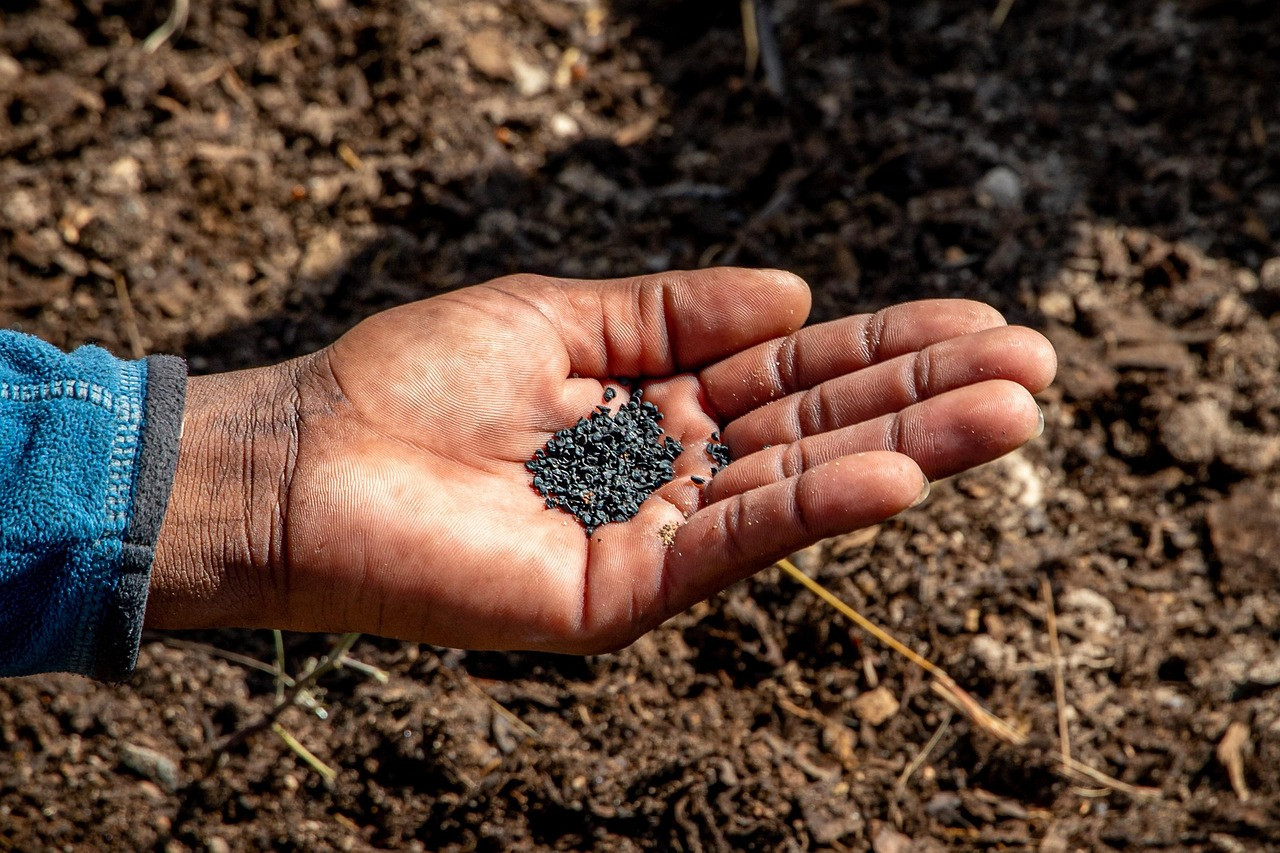
Representative image: Ivko / Pixabay
Agriculture Minister Shivraj Singh Chouhan on 2 November 2026 told officials to draw up a drought and cyclone strategy, speed rabi sowing and settle PMFBY claims faster.
What Happened
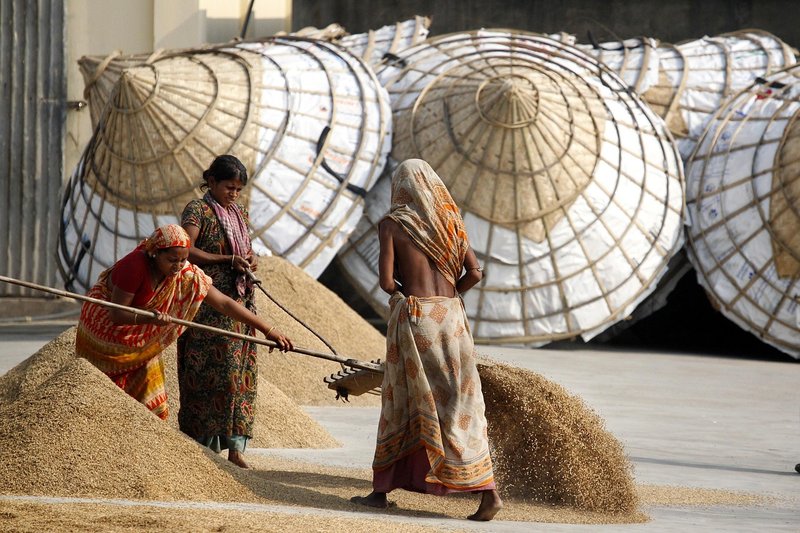
Union Agriculture Minister Shivraj Singh Chouhan on Monday, 2 November 2026, directed officials of the Ministry of Agriculture and Farmers' Welfare to draw up a concrete strategy to deal with drought, cyclones and erratic rainfall, and said relief for affected farmers must move without procedural delays. At a review meeting in New Delhi on the kharif harvest, current weather and preparations for the rabi season, he asked officials to speed up rabi sowing straight after harvest by using the moisture left in the soil, to assess crop damage quickly under the National Disaster Response Fund, and to settle claims under the Pradhan Mantri Fasal Bima Yojana (PMFBY) so that money reaches farmers on time. The farmers' crisis, he said, must be handled with "utmost sensitivity".
Key Facts
- Date and place: review meeting with ministry officials in New Delhi on 2 November 2026.
- Strategy: officials told to prepare a concrete plan for drought, cyclones and erratic rain.
- Rabi sowing: to begin immediately after the kharif harvest, using residual soil moisture; a contingency plan is to make use of moisture from expected cyclonic rains.
- Crop choice: in areas with limited irrigation, farmers are to be encouraged to sow crops such as chana (gram), mustard, masoor (lentil) and millets.
- Relief: faster damage assessment under the National Disaster Response Fund and quicker settlement of crop insurance claims under PMFBY.
- Inputs: the review found adequate stocks of urea, DAP, MOP and NPK fertilisers and certified seeds for the rabi season, with supplies coordinated with state governments.
- Follow-up: the minister said he would review the situation personally every week and speak to state governments and chief ministers where needed.
Why It Matters
India's farm year has two main seasons. Kharif crops such as paddy, cotton and soybean are sown with the monsoon and harvested in October and November. Rabi crops such as wheat, mustard and gram are sown in the cooler months that follow and harvested in spring. This year the change of season is happening under strain: parts of the country have faced a weak monsoon and drought, while coastal states have been hit by cyclones and unseasonal heavy rain. The states named in reports of the review as affected include Karnataka, Maharashtra, Andhra Pradesh and Telangana.
The instruction to sow right after harvest is practical. When the soil still holds moisture from the last rains, seeds can germinate without much irrigation. Every week of delay lets that moisture dry out, which matters most for farmers without wells or canals. That is also why the ministry is steering dry areas towards gram, mustard, lentil and millets, which need less water than wheat.
For a farmer whose kharif crop has failed, speed of payment is the main concern. Crop insurance under PMFBY is meant to cover losses from drought, flood, pests, storms and cyclones, but delayed claims have long been a complaint. If compensation arrives late, farmers may not have the cash to buy seed and fertiliser for the next crop, and may turn to moneylenders. The minister's call to settle claims quickly and to assess damage without red tape is aimed at that gap.
For the rural economy, a smooth rabi season supports the incomes of millions of farm households, the demand for tractors, fertiliser and seeds, and the wheat and pulses supply that keeps food prices steady.
Peepals timeline: On 28 September 2026, Chouhan urged states to plan rabi sowing scientifically, taking account of the kharif drought and water scarcity. On 5 October, at a monthly review at Krishi Bhawan, he announced a nationwide "Khet Bachao Abhiyan" from 22 October. On 2 November, with the kharif harvest under way and fresh weather damage reported, he ordered a concrete drought and cyclone strategy, faster claims and weekly personal reviews.
| Directive | What it means |
|---|---|
| Strategy | Concrete plan for drought, cyclones and erratic rain |
| Rabi sowing | Sow right after harvest on residual soil moisture |
| Relief | Faster NDRF damage assessment and PMFBY claims |
| Oversight | Weekly personal review by the minister |
Impact
Short-term: State agriculture departments are expected to push early rabi sowing and speed up damage surveys and insurance claims in drought- and cyclone-hit districts.
Long-term: A standing strategy for drought and cyclones, if it is drawn up and followed, could make the government's response to weather shocks faster and more predictable, which matters as extreme weather becomes more common.
Who is affected: Farmers in drought- and cyclone-hit states, especially in rain-fed areas; insurance companies handling PMFBY claims; state governments; and the suppliers of seed, fertiliser and farm equipment.
Key Takeaway
With drought and cyclones hitting several states, the agriculture minister has ordered a concrete weather-risk strategy, quicker rabi sowing on residual moisture and faster crop insurance payouts.
Questions and Answers
What did Shivraj Singh Chouhan direct on 2 November 2026?
He asked ministry officials to draw up a concrete strategy for drought, cyclones and erratic rain, start rabi sowing immediately after harvest using soil moisture, and speed up damage assessment and PMFBY claim settlement.
Which crops are farmers in dry areas being encouraged to grow this rabi season?
Crops that need less water, such as chana (gram), mustard, masoor (lentil) and millets, in areas with limited irrigation.
Are there enough fertilisers and seeds for the rabi season?
According to the review, stocks of urea, DAP, MOP and NPK fertilisers and certified seeds are adequate, and supplies are being coordinated with state governments.
What is PMFBY and why do quick claims matter?
The Pradhan Mantri Fasal Bima Yojana is the government's crop insurance scheme. Quick payouts give farmers who lost their kharif crop the money to buy seed and fertiliser for the next sowing.
Disclaimer: Prepared by the Peepals newsroom from publicly available sources with AI assistance. Information is accurate to the best of our knowledge at the time of publication and may change. Images may be representative. Not professional advice. Report an error via our contact page.
By Neha Kapoor, Economy CorrespondentCovers Economy and more for Peepals Business. All stories by Neha Kapoor
Capillary Technologies swings to Rs 21.9 crore profit as revenue jumps 51%
Oracle launches $20 billion stock and bond sale for AI data centres
Get the day's stories in your inbox
Peepals Weekly: the week decoded, free. One email a week, unsubscribe in one click.
Neha Kapoor is a pen name of the Peepals Global Editorial Team, which researches, fact-checks and publishes every story. The portrait is an illustration.