
European Commission Autumn 2026 forecast: growth raised, inflation above 3%
 By Neha KapoorEconomy Correspondent, Peepals Business
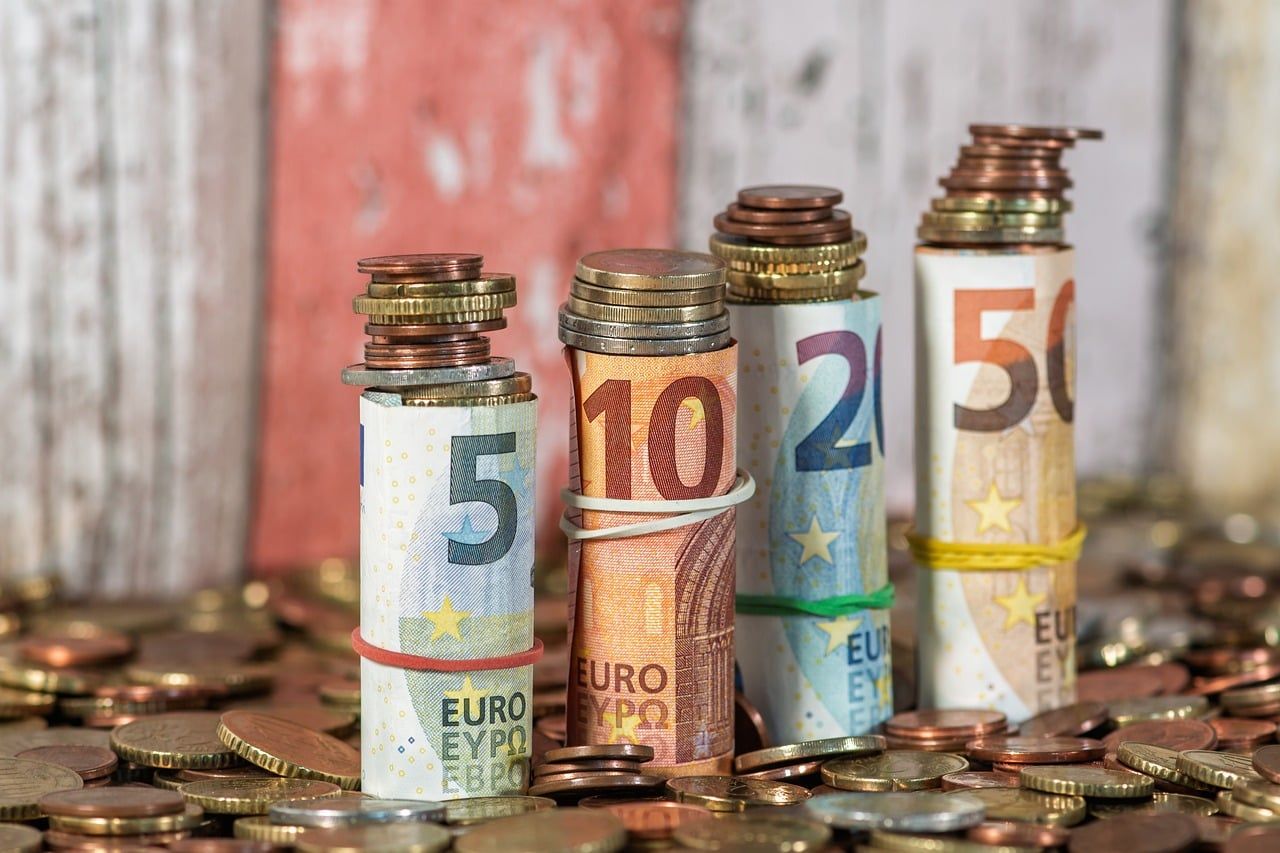
Representative image: fotoblend / Pixabay
The European Commission's forecast of 17 November 2026 lifts EU growth to 1.4% for 2026 but sees euro-area inflation at 3.2%, peaking above 4%.
European Commission: what happened
The European Commission has raised its growth forecast for the European Union and the euro area for 2026, but now expects inflation to stay above 3% this year and next. Its Autumn 2026 Economic Forecast, published on Tuesday, 17 November 2026, puts EU growth at 1.4% in 2026 and euro-area growth at 1.2%, up from the spring forecast, while euro-area inflation is projected at 3.2% for 2026.
European Commission: key facts
- EU real GDP growth: 1.4% in 2026, 1.4% in 2027 and 1.5% in 2028.
- Euro-area growth: 1.2% in 2026 and 2027, and 1.3% in 2028.
- In its spring forecast, the Commission had projected 0.9% growth for the euro area and 1.1% for the EU in 2026.
- Euro-area inflation: 3.2% in 2026, 3.1% in 2027 and 2.1% in 2028; it reached 4% in October and is expected to peak above 4% between late 2026 and early 2027.
- Euro-area unemployment: 6.4% in 2026, 6.5% in 2027 and 6.6% in 2028.
- Employment growth slows but still adds about 800,000 jobs in 2026, the Commission says.
- The euro-area government deficit is forecast at 3.5% of GDP in 2026 and 3.6% in 2027.
European Commission: why it matters
The forecast says two things at once. Europe's economy has held up better than the Commission expected at the start of the year: growth has been revised up for both the EU and the euro area. But prices are rising faster and for longer than hoped. The Commission points to stronger and more persistent inflationary pressures and to tighter financing conditions. Policy interest rates in the euro area were raised by 25 basis points (0.25 percentage points) in both June and September, which makes borrowing dearer for companies and households.
For businesses, this mix matters more than either number alone. Higher growth means more demand, but inflation above 3% erodes what customers can buy, and higher interest rates raise the cost of loans for investment. The Commission expects inflation to start falling only after a peak around the turn of the year, and to approach 2% only in 2028.
Public finances are the third strand. The Commission expects the euro-area deficit to widen to 3.5% of GDP in 2026 and 3.6% in 2027. Wider deficits, at a time of higher interest rates, raise the cost of government borrowing and will feature in member states' budget debates.
For Indian exporters and IT companies with European customers, the forecast points to demand that is holding up better than expected, alongside higher prices and interest rates in their customers' economies.
Peepals calculation: The euro-area growth forecast for 2026 has risen from 0.9% to 1.2%, an increase of one-third (0.3 ÷ 0.9 = 0.33); the EU figure has risen from 1.1% to 1.4%, about 27% higher (0.3 ÷ 1.1 = 0.27). Two rate rises of 25 basis points add up to 0.5 percentage points this year. With inflation at 3.2% and growth at 1.2% in 2026, prices in the euro area are forecast to rise more than two and a half times as fast as real output (3.2 ÷ 1.2 = 2.7). Our calculation from the reported figures.
| Measure | 2026 | 2027 | 2028 |
|---|---|---|---|
| EU GDP growth | 1.4% | 1.4% | 1.5% |
| Euro-area GDP growth | 1.2% | 1.2% | 1.3% |
| Euro-area inflation | 3.2% | 3.1% | 2.1% |
| Euro-area unemployment | 6.4% | 6.5% | 6.6% |
European Commission: impact
Short-term: Households in the euro area face inflation that the Commission expects to peak above 4% around the turn of the year, and businesses face higher borrowing costs after this year's rate rises.
Long-term: If the forecast is right, inflation returns close to 2% only in 2028, while unemployment edges up slightly to 6.6%. Wider deficits will shape governments' budget choices.
Who is affected: Households and companies in the EU; governments facing wider deficits; and exporters in India and elsewhere that sell to European customers.
What to watch next: Whether euro-area inflation peaks above 4% between late 2026 and early 2027, as the Commission projects.
European Commission: key takeaway
If your business sells to Europe, plan for steady demand but higher prices and borrowing costs through 2027, according to the Commission's forecast.
European Commission: questions and answers
What does the European Commission Autumn 2026 forecast say about growth?
It expects EU GDP to grow 1.4% in 2026 and 2027 and 1.5% in 2028, and the euro area to grow 1.2% in 2026 and 2027 and 1.3% in 2028. Both are higher than the spring forecast for 2026.
When will euro-area inflation come down?
The Commission expects it to peak above 4% between late 2026 and early 2027, then ease to 3.1% on average in 2027 and 2.1% in 2028.
Is unemployment rising in the euro area?
Slightly. The forecast puts it at 6.4% in 2026, 6.5% in 2027 and 6.6% in 2028, although employment is still expected to grow by about 800,000 jobs in 2026.
What is a basis point?
A basis point is one-hundredth of a percentage point. A 25-basis-point rise in a policy rate means the rate goes up by 0.25 percentage points.
Disclaimer: Prepared by the Peepals newsroom from publicly available sources with AI assistance. Information is accurate to the best of our knowledge at the time of publication and may change. Images may be representative. Not professional advice. Report an error via our contact page.
By Neha Kapoor, Economy CorrespondentCovers Economy and more for Peepals Business. All stories by Neha Kapoor
Cognizant beats TCS, HCLTech to £133 million Network Rail data centre deal
Henfruit raises $15 million: bootstrapped egg brand's first outside funding
Your week ahead, every Sunday. Free.
Exam and result dates, IPOs opening, scheme deadlines, government holidays and the RBI decision for the next 7 days, plus the week's top stories. One email a week, unsubscribe in one click.
Neha Kapoor is a pen name of the Peepals Global Editorial Team, which researches, fact-checks and publishes every story. The portrait is an illustration.
Responsible for this story: the Peepals Global Editorial Team, led by editor Prashant Sonar. How we report