
Musk says Ukraine broke Starlink terms after speed limits lifted; Kyiv denies
 By Rohan SalujaGeopolitics Editor, Peepals Global
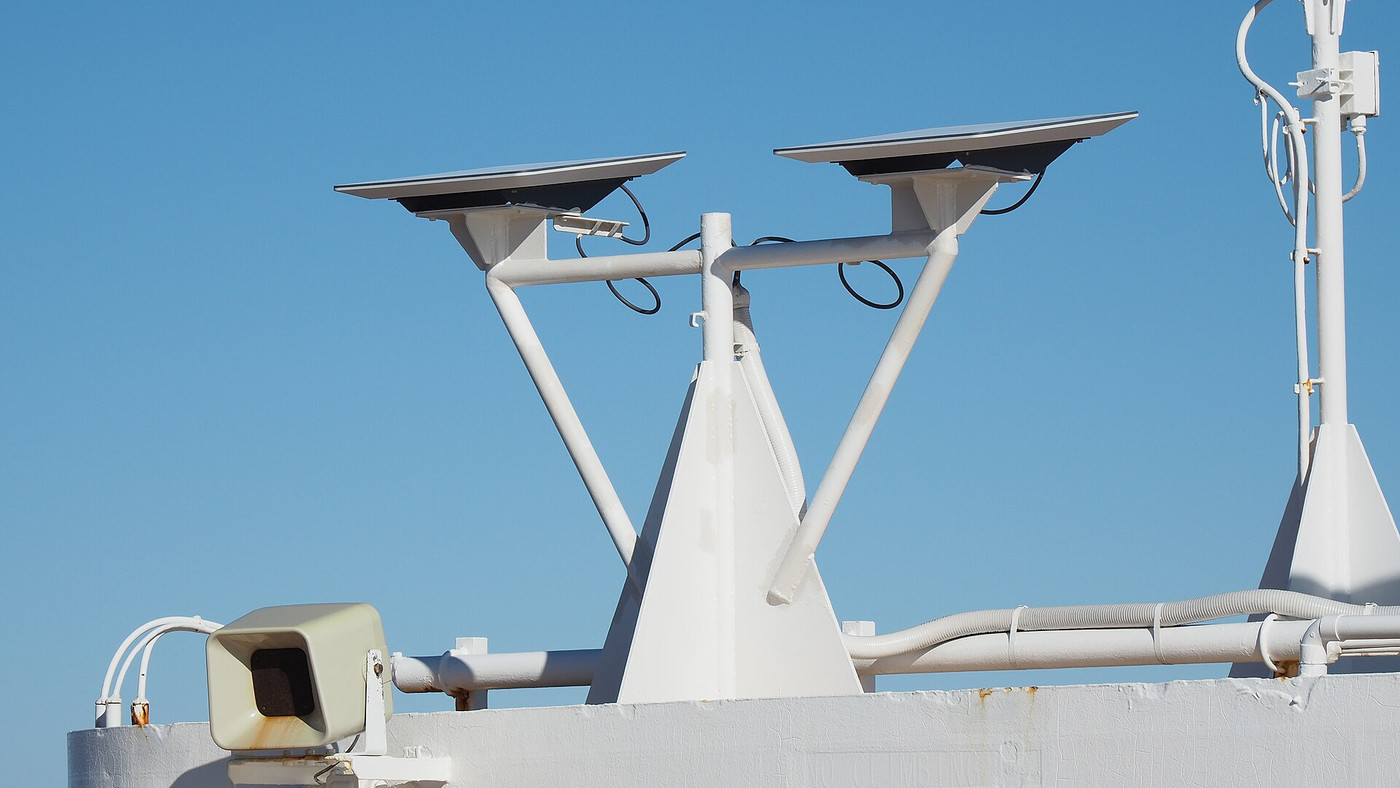
File photo: Ka23 13 (CC BY 4.0), via Wikimedia Commons
Elon Musk said on October 24, 2026 that Ukraine's forces broke Starlink's terms by using it for offensive drone strikes; Kyiv denied it as service was restored.
What Happened
Elon Musk said on Saturday, October 24, 2026 that Ukraine's armed forces had "violated Starlink terms of service and used it for offensive drone strikes to kill people", and that "that loophole was closed last week". His post on X came after Ukraine said the high-speed service it relies on had been restored. For more than a week, the satellite internet systems Starlink and Starshield, both run by Musk's company SpaceX, had been limited so they would not work on devices moving faster than about 100 miles per hour (about 160 km/h). Kyiv denies breaking the terms.
Key Facts
- Musk's allegation, posted on X on October 24, 2026: Ukraine's forces used Starlink for offensive drone strikes in breach of its terms of service.
- Ukraine denies the charge, according to reports.
- The restriction capped service on devices moving faster than about 160 km/h for more than a week, hitting fast drones Ukraine uses to intercept Russian attack drones; officials said some operations had to be cancelled.
- Ukraine's Defence Ministry said connectivity was restored for equipment moving above 400 km/h.
- President Volodymyr Zelensky said Starlink and Starshield had returned to the speeds Ukraine had before the restrictions.
- US President Donald Trump said Musk had lifted the restrictions; some Ukrainian soldiers reported continued disruption, and one source in Donetsk said speeds there were still limited to 160 km/h.
- On October 14, Musk had said any limits on speed or usage were decided by the US military and "ultimately POTUS"; he has described Starshield as a separate system controlled by the US government.
Why It Matters
The dispute shows how much a modern war can depend on one private company. Starlink, a network of low-orbit satellites, gives Ukraine internet access on the battlefield where ground networks have been destroyed or are easily jammed. Ukraine uses it for communications and to control drones, including fast interceptor drones that chase down Russian attack drones. A speed cap that stops the service working on fast-moving devices directly limits those drones. When it was applied, Ukrainian officials said some operations had to be called off.
The question of who decides is unresolved. Musk first said limits were set by the US military and ultimately the President, then said SpaceX had closed a "loophole" because of how Ukraine was using the service. Starshield, the government version, is described by Musk as controlled by the US government. For Ukraine, the uncertainty about whether a company or a foreign government can switch capabilities on or off is a strategic risk.
For India, the episode is relevant because it shows how commercial satellite networks have become part of military operations, and how their control can become contested. It also comes as India expands its own drone forces: on October 26, 2026, India's Defence Acquisition Council cleared proposals that include surveillance drones, kamikaze drones and counter-drone systems.
Musk's allegation has not been independently confirmed. Ukraine denies it, and Starlink's terms and how they apply to military use by a country at war have not been published in detail in the reports.
| Point | Position |
|---|---|
| Elon Musk | Ukraine broke Starlink terms by using it for offensive drone strikes |
| Ukraine | Denies the charge; says service restored to earlier speeds |
| Restriction | Service capped for devices above about 160 km/h for over a week |
| Restored to | Equipment moving above 400 km/h, per Ukraine's Defence Ministry |
Impact
Short-term: Ukraine says its drones and equipment have full service again, though some units reported lingering limits. Further restrictions remain possible if the dispute continues.
Long-term: The row may push Ukraine and its allies to look for satellite communications they control themselves, and it raises wider questions about relying on private companies in conflicts.
Who is affected: Ukrainian forces and civilians, Russia's military, SpaceX and its government customers, and countries weighing the use of commercial satellite networks for defence.
Key Takeaway
Elon Musk said on October 24, 2026 that Ukraine broke Starlink's terms by using it for offensive drone strikes, after speed limits that hampered Ukrainian drones were lifted; Kyiv denies the claim.
Questions and Answers
What did Elon Musk say about Ukraine and Starlink?
On October 24, 2026, Musk posted on X that Ukraine's armed forces had "violated Starlink terms of service and used it for offensive drone strikes to kill people", and that "that loophole was closed last week".
What restriction was placed on Starlink in Ukraine?
For more than a week, the service was limited so it did not work on devices moving faster than about 160 km/h, which affected Ukraine's fast interceptor drones. Ukraine's Defence Ministry later said service was restored for equipment moving above 400 km/h.
Has Ukraine's Starlink service been fully restored?
President Zelensky said Starlink and Starshield returned to their previous speeds. Some Ukrainian soldiers reported continued disruption, and one source in Donetsk said speeds there were still limited.
Who controls Starlink limits in Ukraine?
That is disputed. On October 14, Musk said limits are decided by the US military and ultimately the US President; later he said SpaceX had closed a loophole. He describes Starshield as controlled by the US government.
Disclaimer: Prepared by the Peepals newsroom from publicly available sources with AI assistance. Information is accurate to the best of our knowledge at the time of publication and may change. Images may be representative. Not professional advice. Report an error via our contact page.
By Rohan Saluja, Geopolitics EditorCovers Geopolitics and more for Peepals Global. All stories by Rohan Saluja
Rohan Saluja is a pen name of the Peepals Global Editorial Team, which researches, fact-checks and publishes every story. The portrait is an illustration.