
India forex reserves fall $2.69 billion to $717 billion, second weekly drop
 By Neha KapoorEconomy Correspondent, Peepals Business
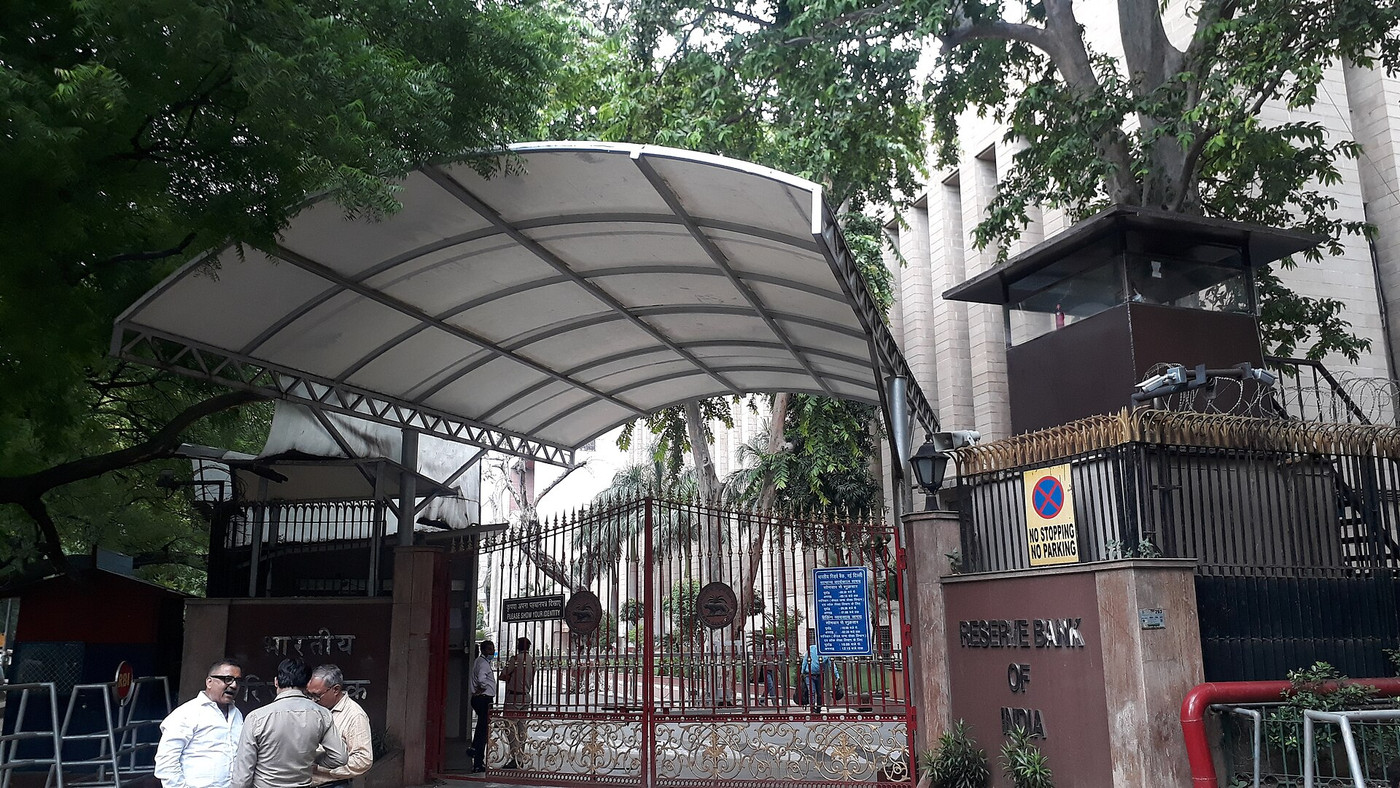
File photo: Pinakpani (CC BY-SA 4.0), via Wikimedia Commons
India's forex reserves fell $2.691 billion to $717.056 billion in the week to 30 October 2026, RBI data released on 6 November showed, a second weekly fall.
What Happened
India's foreign exchange reserves fell by $2.691 billion to $717.056 billion in the week ended Friday, 30 October 2026, according to Reserve Bank of India (RBI) data released on Friday, 6 November 2026. It was the second weekly fall in a row: in the previous week the reserves had dropped by $1.269 billion to $719.748 billion. Foreign currency assets, the largest part of the reserves, fell by $2.088 billion to $591.118 billion. Reserves are now well below their record high of $785.706 billion, reached in the week ended 4 September, which had been lifted by a diaspora deposit scheme.
Key Facts
- Total reserves: $717.056 billion in the week ended 30 October 2026, down $2.691 billion.
- Previous week: down $1.269 billion to $719.748 billion.
- Foreign currency assets: down $2.088 billion to $591.118 billion.
- Special Drawing Rights (SDRs), the IMF's reserve asset: down $47 million to $18.558 billion.
- Reserve position with the IMF: up $3 million to $4.790 billion.
- Record high: $785.706 billion in the week ended 4 September 2026, boosted by a diaspora deposit swap that drew in a record $133 billion.
- Reasons given by market experts: the use of funds raised through foreign currency non-resident (FCNR-B) deposits, and RBI dollar sales to defend the rupee.
Why It Matters
Foreign exchange reserves are the dollars, euros, gold and other assets the RBI holds to pay for imports, service foreign debt and steady the rupee. When the rupee comes under pressure, the RBI can sell dollars from these reserves to slow its fall. Weekly changes therefore show how actively the central bank is defending the currency.
The latest fall comes as the rupee is weak against the US dollar. The RBI has said it does not target any particular exchange rate but will act against sharp swings and speculation. A drop of this size in a week suggests the RBI has been selling dollars, alongside the planned use of money raised from the diaspora deposit scheme earlier in the year.
For businesses and households, the level of reserves still offers a large cushion. At over $717 billion, they remain above the end-March 2026 level. Importers, students paying foreign fees and families sending money abroad are affected mainly through the exchange rate: the more the RBI spends to steady the rupee, the smaller the swings they face, but reserves cannot be used without limit.
The data also show how much of the September peak came from a one-time inflow. The diaspora deposit swap brought in money that is linked to deposits held by non-resident Indians, and part of it is now being deployed, which naturally lowers the headline figure.
Peepals calculation: The RBI release gives four parts of the reserves. Subtracting foreign currency assets, SDRs and the IMF position from the total leaves about $102.59 billion for gold (717.056 − 591.118 − 18.558 − 4.790 = 102.590). Since the other three parts fell by a combined $2.132 billion (2.088 + 0.047 − 0.003), gold holdings by value fell by about $0.559 billion in the week. Over two weeks, reserves dropped $3.96 billion (2.691 + 1.269), and they are now $68.65 billion, or about 8.7%, below the September record (785.706 − 717.056 = 68.65; 68.65 / 785.706 ≈ 0.087). Our calculation from the reported figures.
| Component | Week ended 30 Oct 2026 | Weekly change |
|---|---|---|
| Total reserves | $717.056 billion | −$2.691 billion |
| Foreign currency assets | $591.118 billion | −$2.088 billion |
| Gold (derived) | about $102.59 billion | about −$0.559 billion |
| SDRs | $18.558 billion | −$47 million |
| IMF reserve position | $4.790 billion | +$3 million |
Impact
Short-term: Markets will read further weekly falls as a sign of continued RBI support for the rupee.
Long-term: The reserves remain large enough to cushion shocks, but repeated use reduces the buffer built up during the diaspora deposit inflow.
Who is affected: importers and exporters, students and travellers paying in foreign currency, non-resident Indians holding FCNR deposits, and investors tracking the rupee.
Key Takeaway
India's forex reserves fell $2.691 billion to $717.056 billion in the week to 30 October 2026, the second weekly fall, and are about 8.7% below September's record.
Questions and Answers
What are India's forex reserves now?
India's foreign exchange reserves were $717.056 billion in the week ended 30 October 2026, according to RBI data released on 6 November 2026, down $2.691 billion from the previous week.
Why did India's forex reserves fall?
Market experts linked the fall to the use of funds from the diaspora (FCNR-B) deposit scheme and to RBI dollar sales to support the rupee.
What was India's highest forex reserves level?
The record was $785.706 billion in the week ended 4 September 2026, boosted by a diaspora deposit swap that drew in a record $133 billion.
How much gold is in India's forex reserves?
The RBI's components suggest about $102.59 billion in gold, found by subtracting foreign currency assets, SDRs and the IMF position from the total. This is our calculation, not a figure stated in the reports.
Disclaimer: Prepared by the Peepals newsroom from publicly available sources with AI assistance. Information is accurate to the best of our knowledge at the time of publication and may change. Images may be representative. Not professional advice. Report an error via our contact page.
By Neha Kapoor, Economy CorrespondentCovers Economy and more for Peepals Business. All stories by Neha Kapoor
MakeMyTrip Quick Ride deal: majority stake takes travel firm into daily commutes
Titan Q2: Rs 671 crore one-off lifts profit; Noel Tata to retire
Get the day's stories in your inbox
Peepals Weekly: the week decoded, free. One email a week, unsubscribe in one click.
Neha Kapoor is a pen name of the Peepals Global Editorial Team, which researches, fact-checks and publishes every story. The portrait is an illustration.