
Selic held at 13.75%: Brazil ends rate cuts as inflation outlook rises
 By Neha KapoorEconomy Correspondent, Peepals Business
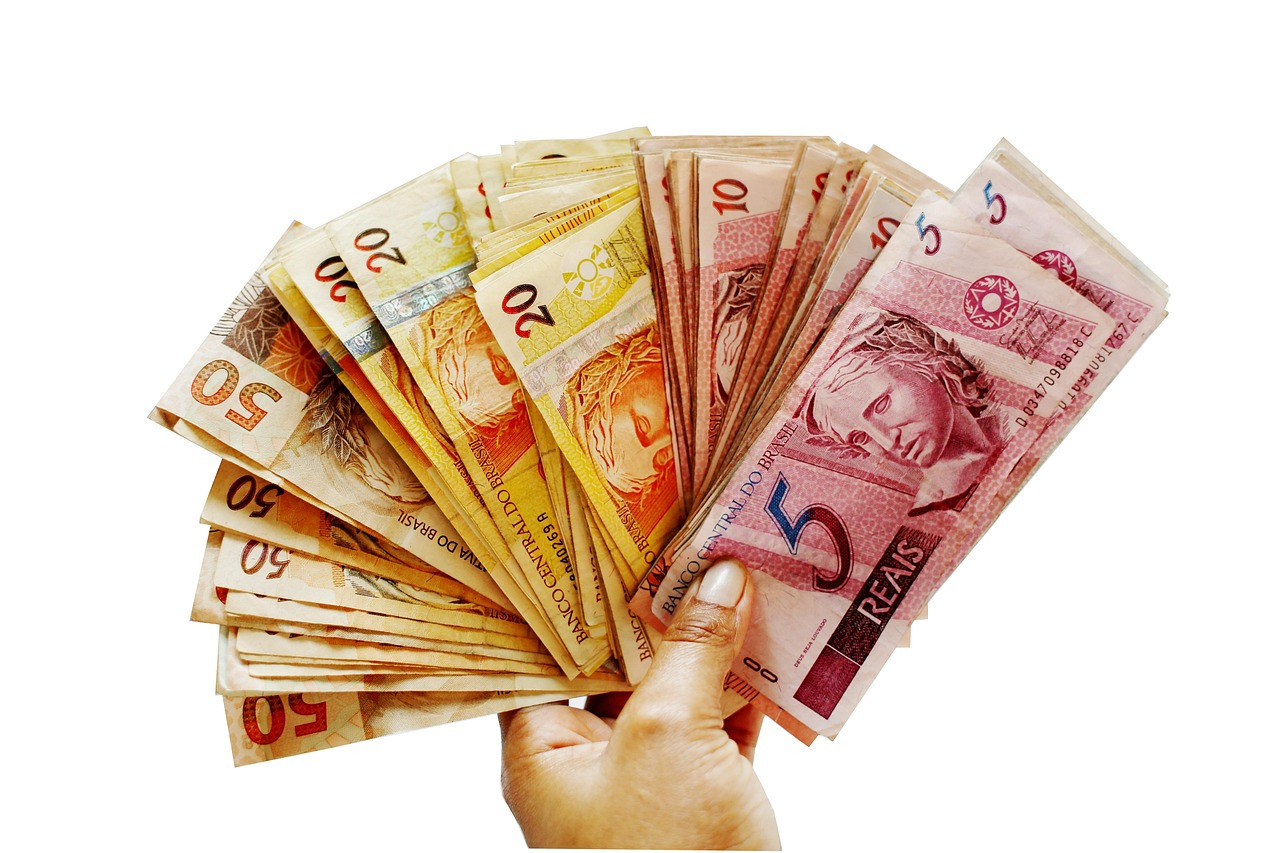
Representative image: joelfotos / Pixabay
Brazil's central bank held the Selic at 13.75% on 4 November 2026, ending five straight cuts, and raised its Q2 2028 inflation projection to 3.5%.
What Happened
Brazil's central bank kept its benchmark Selic interest rate at 13.75% on Wednesday, 4 November 2026, ending a run of five quarter-point cuts that had brought the rate down from 15%. The decision by the Monetary Policy Committee (Copom), at its 282nd meeting, was unanimous among the seven members led by Governor Gabriel Galípolo. In its statement, the committee described a cautious stance amid heightened uncertainty and raised its inflation projection for the second quarter of 2028 to 3.5%, citing supply shocks since its previous meeting. It did not say how long the pause would last.
Key Facts
- Decision: Selic held at 13.75% on Wednesday, 4 November 2026.
- Vote: unanimous among the seven Copom members, led by Governor Gabriel Galípolo.
- Previous path: five quarter-point cuts from 15%, the last in September 2026, according to reports.
- Inflation projection: raised to 3.5% for the second quarter of 2028, the committee's relevant horizon.
- Reason given: supply shocks since the last meeting and heightened uncertainty; Brazilian reports also cited fiscal uncertainty and volatility after the presidential election.
- Next steps: Copom minutes due on Tuesday, 10 November 2026; next decision on Wednesday, 9 December 2026, according to reports.
Why It Matters
A Selic of 13.75% means borrowing is expensive for families and businesses, while it is meant to help keep inflation in check. Over recent months, the central bank had been lowering the rate step by step as inflation eased. Stopping now signals that it sees new risks.
The committee pointed to supply shocks, sudden changes in the supply or price of goods such as food or energy, that have pushed up its inflation forecast. By raising its projection for the second quarter of 2028 to 3.5%, the bank is saying it expects inflation to stay higher for longer than it thought a few weeks ago. Central banks look this far ahead because changes in interest rates take many months to affect prices.
Politics adds to the uncertainty. Brazil has just held a presidential election in which Luiz Inácio Lula da Silva won a fourth term, and markets have been watching how the new term will handle public spending and debt. Brazilian reports said fiscal uncertainty and post-election volatility were among the reasons the market had expected a pause.
For India and other emerging markets, Brazil's move is part of a wider picture. Several central banks around the world have recently paused cuts or raised rates as inflation risks have returned, including the Bank of England, which raised its rate this week. When large emerging markets keep rates high, it can affect how global investors divide their money between countries such as Brazil and India.
Peepals calculation: Five quarter-point cuts add up to 1.25 percentage points (5 × 0.25). Taking 1.25 points off 15% gives 13.75% (15 − 1.25), matching the current rate. At 13.75%, the Selic is 10.25 percentage points above the committee's 3.5% inflation projection for the second quarter of 2028 (13.75 − 3.5), a rough indicator of how tight policy is. Our calculation from the reported figures.
| Item | Figure |
|---|---|
| Selic rate after 4 November 2026 | 13.75% |
| Starting point of the cutting cycle | 15% |
| Number of quarter-point cuts | 5 |
| Inflation projection, Q2 2028 | 3.5% |
| Next Copom decision | 9 December 2026 |
Impact
Short-term: Brazilian borrowing costs stay where they are, and markets will study the Copom minutes on 10 November for signs of how long the pause may last.
Long-term: If supply shocks fade and fiscal policy settles, the bank could resume cuts; if inflation forecasts keep rising, it may have to keep the Selic high for longer.
Who is affected: Brazilian households and companies that borrow money; savers and foreign investors earning high returns on Brazilian assets; and emerging-market investors comparing Brazil with countries such as India.
What to watch next: The Copom minutes on 10 November 2026 and the next rate decision on 9 December 2026.
Key Takeaway
Brazil's central bank paused at 13.75% on 4 November 2026 after five straight cuts, raising its inflation forecast and citing supply shocks and uncertainty.
Questions and Answers
What is the Selic rate now?
13.75%. Brazil's Copom kept the Selic unchanged at this level on 4 November 2026.
Why did Brazil stop cutting the Selic?
The committee cited supply shocks since its last meeting and heightened uncertainty, and raised its inflation projection for the second quarter of 2028 to 3.5%. Brazilian reports also pointed to fiscal and post-election uncertainty.
Was the Copom decision unanimous?
Yes. All seven members, led by Governor Gabriel Galípolo, voted to hold the rate.
When is the next Copom meeting?
The next rate decision is due on 9 December 2026, with minutes of the November meeting due on 10 November, according to reports.
Disclaimer: Prepared by the Peepals newsroom from publicly available sources with AI assistance. Information is accurate to the best of our knowledge at the time of publication and may change. Images may be representative. Not professional advice. Report an error via our contact page.
By Neha Kapoor, Economy CorrespondentCovers Economy and more for Peepals Business. All stories by Neha Kapoor
Astral share price hits 52-week low after Q2 profit falls 5.6%
Belagavi sugarcane price set at Rs 3,600 a tonne; crushing to start
Get the day's stories in your inbox
Peepals Weekly: the week decoded, free. One email a week, unsubscribe in one click.
Neha Kapoor is a pen name of the Peepals Global Editorial Team, which researches, fact-checks and publishes every story. The portrait is an illustration.