Processed food and colon cancer: big US study finds what you eat matters more
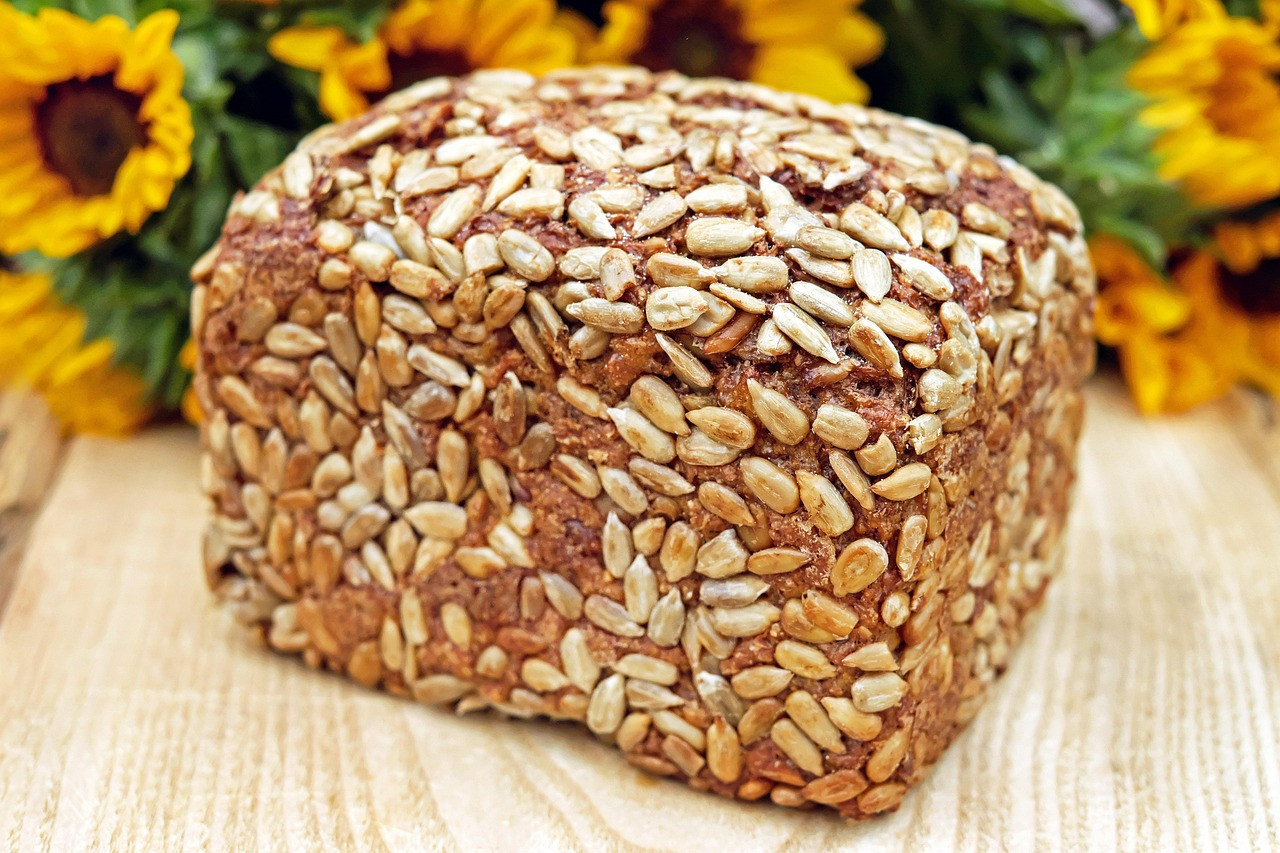
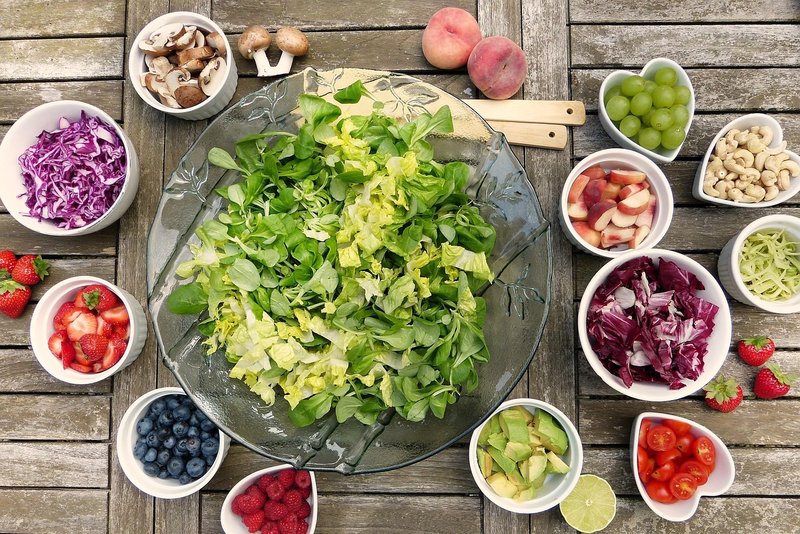
Representative image: Couleur / Pixabay
A PLOS Medicine study of 461,682 US adults, published 15 October 2026, found no overall link between ultra-processed food and colorectal cancer; meat raised risk.
What Happened
A large study of more than 460,000 older American adults has found no link between the total amount of processed food, specifically ultra-processed food, that people eat and their risk of colorectal cancer, but it found clear differences between food groups. The study, by researchers at the US National Cancer Institute (NCI), was published in the journal PLOS Medicine on Thursday, 15 October 2026. It used data from the NIH-AARP Diet and Health Study, following 461,682 adults aged 50 to 71 for a median of 18.8 years. Whole grains, dairy and calcium were linked to a lower risk of colorectal cancer and meat to a higher risk, whatever the level of processing.
Key Facts
- The study was published in PLOS Medicine on 15 October 2026 by National Cancer Institute researchers.
- It analysed 461,682 US adults aged 50 to 71 from the NIH-AARP Diet and Health Study, followed for a median of 18.8 years.
- Total ultra-processed food intake was not associated with colorectal cancer incidence.
- Higher intake of whole grains, dairy and calcium was associated with lower colorectal cancer risk; higher meat intake was associated with higher risk, regardless of processing level.
- Replacing 10 per cent of food weight from ultra-processed sources with minimally processed foods was associated with about a 2 per cent lower colorectal cancer incidence.
- In this cohort, ultra-processed foods supplied a large share of whole grains, which the authors suggest may hide opposing effects within the ultra-processed category.
- The study is observational, so it shows associations, not cause and effect.
Why It Matters
"Ultra-processed food" is a much-debated term in nutrition. It covers a wide range of factory-made products, from packaged snacks and sugary drinks to many breads, breakfast cereals and flavoured yoghurts. Earlier research on three US cohorts tied certain processed products, such as ready-to-eat meat products and sugary drinks, to higher colorectal cancer risk.
This new analysis suggests that the label alone may be too blunt a tool. When the researchers looked at the whole category together, there was no link. When they looked at what the food actually was, the pattern matched long-standing advice on preventing bowel cancer: more whole grains and dairy, less meat. In other words, a packaged whole-grain bread and a processed meat product may both be "ultra-processed" but appear to have very different effects.
For Indian readers, the findings sit comfortably with traditional eating patterns built around whole grains, pulses, curd and milk, with meat eaten in moderation or not at all. The study does not say that processed foods are harmless; it says that what a food is made of matters, and that swapping some ultra-processed food for minimally processed food was linked to a small reduction in risk. Home-cooked meals based on whole grains and dairy fit that description. The usual caution applies: the participants were older Americans, and diets and cancer patterns in India differ.
| Food group | Association with colorectal cancer in the study |
|---|---|
| Total ultra-processed food | No association |
| Whole grains | Lower risk |
| Dairy and calcium | Lower risk |
| Meat (any processing level) | Higher risk |
Impact
Short-term: The study is likely to feed the debate over whether health advice and food labelling should target "ultra-processed" foods as a group, or focus on specific ingredients and food types such as processed meat, sugar and refined flour.
Long-term: If other large studies find similar patterns, guidelines may shift towards judging foods by their composition rather than only by how much they are processed. For cancer prevention, the message on whole grains, fibre, dairy and limiting meat is reinforced.
Who is affected: Older adults and anyone at risk of colorectal cancer; families deciding what packaged foods to buy; nutrition researchers and policymakers drafting food labelling rules; and the packaged-food industry.
Key Takeaway
A 461,682-person US study published on 15 October 2026 found no overall link between ultra-processed food and colorectal cancer, but whole grains and dairy were linked to lower risk and meat to higher risk.
Questions and Answers
Does processed food cause colorectal cancer, according to the new study?
The study found no link between total ultra-processed food intake and colorectal cancer among 461,682 older US adults. It did find that meat, at any level of processing, was linked to higher risk, while whole grains, dairy and calcium were linked to lower risk.
Who carried out the study and where was it published?
Researchers at the US National Cancer Institute carried it out using the NIH-AARP Diet and Health Study, and it was published in PLOS Medicine on 15 October 2026.
Does this mean ultra-processed food is safe to eat?
No. The study is observational and looked only at colorectal cancer. It suggests that the type of food matters more than the processing label, and found that replacing some ultra-processed food with minimally processed food was linked to slightly lower risk.
What does the study mean for Indian diets?
Its findings on whole grains and dairy match traditional Indian eating patterns, but the participants were older Americans, so the results cannot be applied directly to Indian populations.
Disclaimer: Prepared by the Peepals newsroom from publicly available sources with AI assistance. Information is accurate to the best of our knowledge at the time of publication and may change. Images may be representative. Not professional advice. Report an error via our contact page.
Sourced and fact-checked by the Peepals Global Editorial Team
Tribal Languages Working Group meets; Adi Vaani to become language repository
Mysuru Dasara 2026: Kambala buffalo race comes to the festival for the first time
Reported, fact-checked and published by the Peepals Global Editorial Team.