
India factory PMI eases to 54.7 in October; export orders at six-month high
 By Neha KapoorEconomy Correspondent, Peepals Business
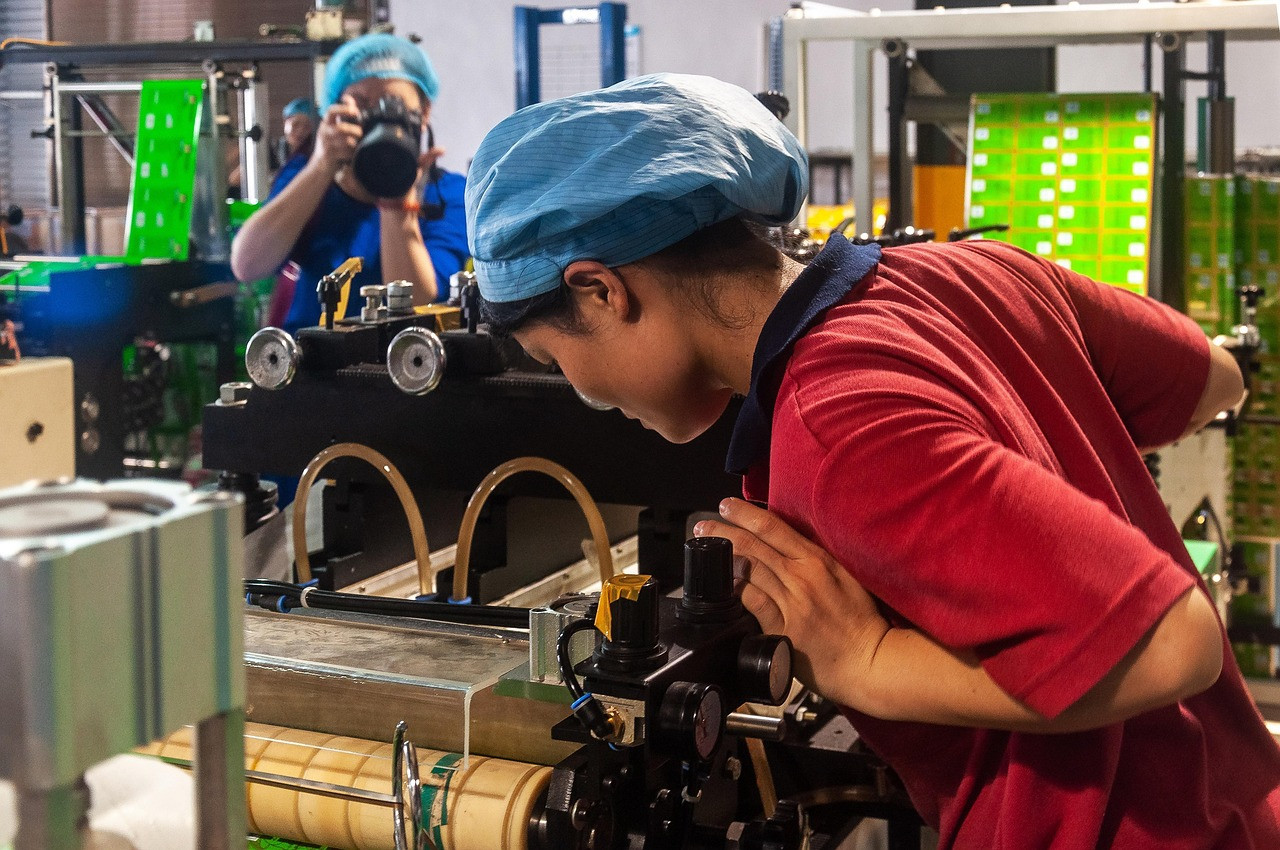
Representative image: joydo / Pixabay
India's HSBC manufacturing PMI eased to 54.7 in October 2026 from 55.1 in September, data showed on 2 November, but export orders grew at the fastest pace in six months.
What Happened
Growth in India's factory sector slowed slightly in October 2026, according to the final HSBC India Manufacturing Purchasing Managers' Index released on Monday, 2 November. The index fell to 54.7 from 55.1 in September, as output and new orders rose more slowly than a month earlier. Export orders were the bright spot: they grew at the fastest pace in six months. The final figure was a little below the flash, or early, estimate of 54.9 published in late October.
Key Facts
- Final manufacturing PMI for October 2026: 54.7, down from 55.1 in September.
- The flash estimate for October had been 54.9; the final figure came in 0.2 points lower.
- A reading above 50 means activity is expanding; the index has stayed above 50 and above its long-run average.
- New export orders rose at a six-month high, with demand reported from markets including Bangladesh, Canada, Indonesia, Nepal, Oman, Saudi Arabia, Sri Lanka, the UK, the US and the UAE.
- Increases in selling prices were the weakest in just under four years, according to the survey, and input cost pressure eased slightly.
- Factory employment rose for a second month in a row, though hiring was described as subdued and business confidence softened.
- The survey is compiled by S&P Global from responses of about 400 manufacturers.
Why It Matters
The Purchasing Managers' Index, or PMI, is one of the earliest monthly signals of how the economy is doing. Each month, purchasing managers at factories are asked whether output, orders, prices, stocks and staff numbers went up, down or stayed the same. The answers are combined into one number. Fifty is the line between growth and contraction, so 54.7 means more firms reported improvement than decline, but by a slightly smaller margin than in September.
The details matter more than the headline. HSBC economist Pranjul Bhandari linked the rise in export orders to international demand, which helped keep output growing. At a time when crude oil prices are high because of the war involving Iran, stronger overseas orders give exporters some support.
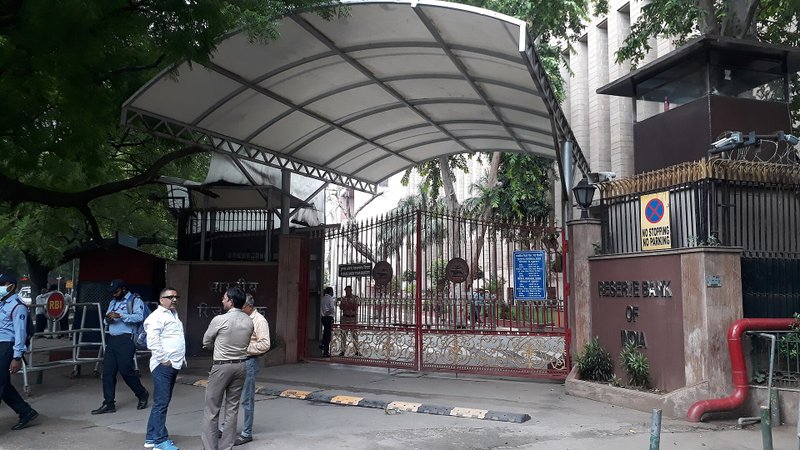
Prices are the second message. When factories raise their selling prices more slowly, it usually means less pressure on retail inflation in the months ahead. Bhandari noted that some material and energy costs still rose, but overall input and output price pressures eased slightly. This is useful information for the Reserve Bank of India, which watches such surveys alongside official inflation data when it sets interest rates.
The weaker spots are hiring and confidence. Firms added staff for a second month, but at a modest pace, and their outlook for the year ahead softened. Businesses usually hire faster only when they are confident that demand will last.
| Measure | September 2026 | October 2026 |
|---|---|---|
| Manufacturing PMI | 55.1 | 54.7 |
| Export orders | Slower growth | Six-month high |
| Selling prices | Rising | Weakest rise in nearly four years |
Impact
Short-term: The figures point to steady, not accelerating, factory growth going into the festive and year-end season. Softer price increases may help keep goods inflation in check in November and December.
Long-term: If export demand holds up, it could help offset weaker domestic orders. A lasting improvement in jobs, however, would need stronger business confidence, which slipped this month.
Who is affected: Manufacturers and exporters, especially small firms that sell abroad; factory workers and job seekers; consumers, through prices of manufactured goods; and the RBI and investors, who use the PMI to judge the economy's direction. The survey reports on business conditions; it is not investment advice.
Key Takeaway
India's factories kept growing in October, a little more slowly than in September, with export orders at a six-month high and the softest selling-price increases in almost four years.
Questions and Answers
What was India's manufacturing PMI for October 2026?
The final HSBC India Manufacturing PMI was 54.7 in October 2026, down from 55.1 in September and slightly below the flash estimate of 54.9. It was released on 2 November 2026.
Does a PMI of 54.7 mean manufacturing is shrinking?
No. Any reading above 50 means activity is expanding. A fall from 55.1 to 54.7 means growth continued at a slightly slower pace.
Why are export orders important in this report?
New export orders grew at their fastest rate in six months, with demand from countries such as the US, UK, UAE and several South and Southeast Asian markets. This helped keep output rising even as overall growth eased.
What does the PMI say about prices?
Factories raised their selling prices at the slowest rate in just under four years, and input cost pressure eased slightly. That suggests less upward pressure on the prices of manufactured goods in the near term.
Disclaimer: Prepared by the Peepals newsroom from publicly available sources with AI assistance. Information is accurate to the best of our knowledge at the time of publication and may change. Images may be representative. Not professional advice. Report an error via our contact page.
By Neha Kapoor, Economy CorrespondentCovers Economy and more for Peepals Business. All stories by Neha Kapoor
LTM, formerly LTIMindtree, launches GCC Origin unit for AI-built capability centres
NTPC shares gain 3% as higher power output lifts Q2 earnings
Get the day's stories in your inbox
Peepals Weekly: the week decoded, free. One email a week, unsubscribe in one click.
Neha Kapoor is a pen name of the Peepals Global Editorial Team, which researches, fact-checks and publishes every story. The portrait is an illustration.