
Lasalgaon onion prices rise about Rs 700 a quintal in a week
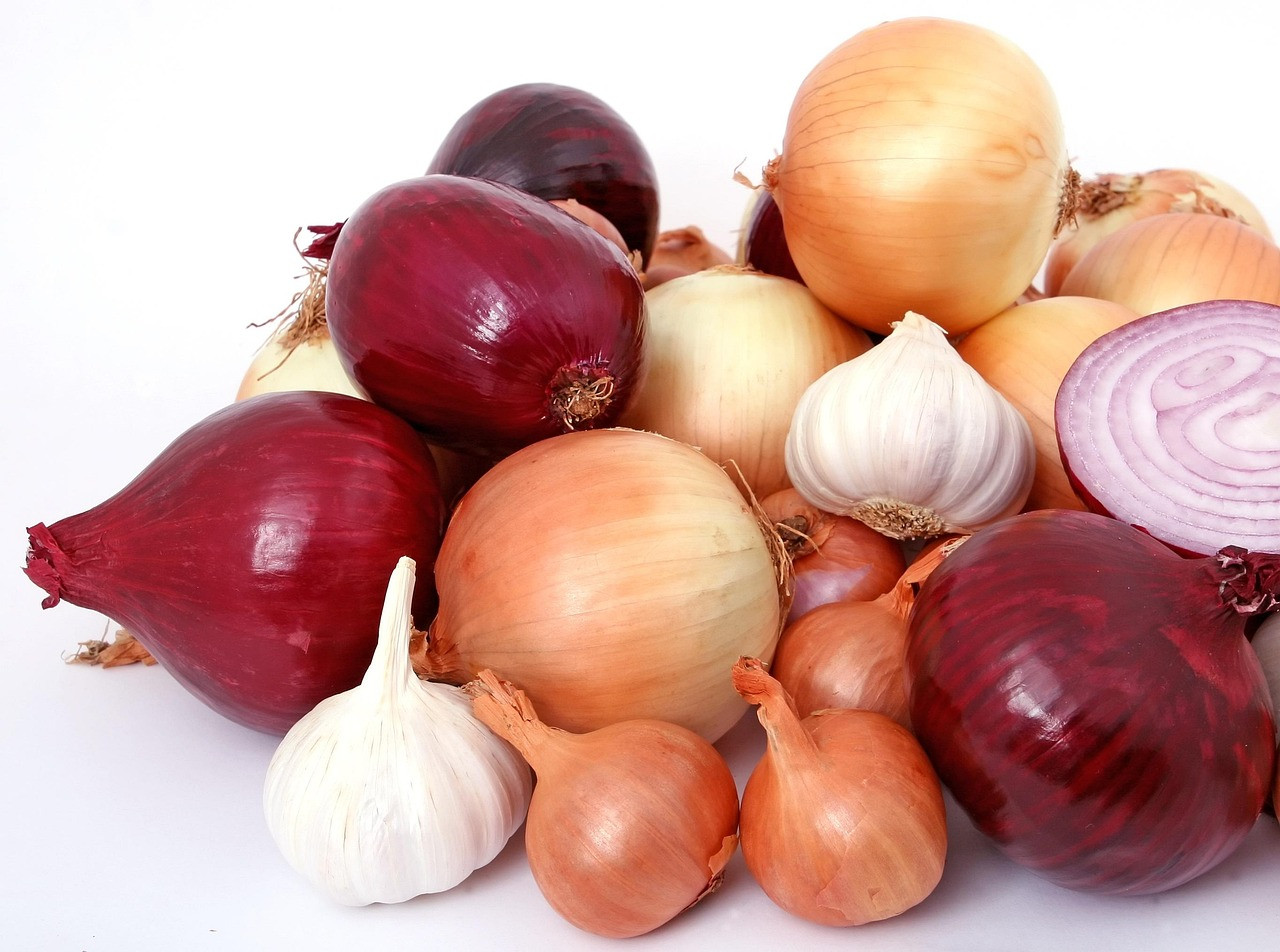
Representative image: Shutterbug26 / Pixabay
Average onion prices at Lasalgaon rose from Rs 3,351 to Rs 4,050 a quintal between October 10 and 19, 2026, as old stocks shrank and new kharif arrivals were delayed.
What Happened
Onion prices at Lasalgaon in Nashik district of Maharashtra, one of the country's main onion markets, rose by about Rs 700 a quintal in nine days this month. The average price of summer onions climbed from Rs 3,351 a quintal on October 10, 2026, to Rs 4,050 on October 19, and the highest price paid in the market rose from Rs 3,601 to Rs 4,525 over the same period, according to market figures reported from the Lasalgaon Agricultural Produce Market Committee. Traders said the main reasons were shrinking stocks of the older crop and a delay in the arrival of fresh kharif onions.
Key Facts
- Average price at Lasalgaon: Rs 3,351 a quintal on October 10, 2026, rising to Rs 4,050 on October 19, an increase of Rs 699.
- Highest price at Lasalgaon: Rs 3,601 a quintal on October 10, rising to Rs 4,525 on October 19.
- Arrivals: daily onion arrivals in the market fell by nearly 15%, according to Vikram Singh of the Horticulture Produce Exporters Association.
- Causes cited by traders: falling stocks of summer (rabi) onions held in storage since the spring, and slower arrival of the new kharif crop.
- Independent mandi data: the modal price, the rate at which most trades happened, at Lasalgaon-Niphad stood at Rs 4,050 a quintal on October 17; the average at the Nasik market was Rs 3,800 on October 19, within a range of Rs 1,600 to Rs 4,500.
- In plain terms: Rs 4,050 a quintal works out to about Rs 40.50 a kilogram at the wholesale market, before transport, commission and retail margins.
Why It Matters
India grows onions in three seasons, and the crop harvested in the spring, called the rabi or summer onion, keeps well and is stored by farmers and traders for months. It supplies most of the market from about April to October. The kharif crop, sown during the monsoon, starts reaching markets around October and November, but it does not store as well and must be sold quickly. The weeks between the end of old stocks and the arrival of plenty of new onions are the tightest of the year, and prices often rise in this gap. That is what traders say is happening now.
Lasalgaon matters because it is a price-setting market. Wholesale buyers across India, and exporters, watch its daily rates, and a rise there usually reaches city retail markets within days. At Rs 40 to Rs 45 a kilogram at wholesale, shoppers in most cities can expect to pay noticeably more, as retail prices also cover transport, wastage and shop margins. The timing is sensitive: demand for onions rises during the festival and wedding season, which is now under way.
For farmers the picture is mixed. Those who stored their summer crop and are still selling it gain from the higher rates. Many small farmers, though, sold their onions earlier in the year because they lacked storage or needed cash, and do not benefit from this rise. Farmers who have planted kharif onions will be watching closely: if new arrivals come in heavily at the same time, prices can fall just as quickly. An earlier report from the same region noted that new kharif onions from Karnataka and Andhra Pradesh had at one point pushed Lasalgaon rates down, a sign of how fast the market can turn once fresh supply arrives.
| | Date (2026) | Average price at Lasalgaon | Highest price at Lasalgaon | |
|---|---|---|
| | October 10 | Rs 3,351 a quintal | Rs 3,601 a quintal | |
| | October 19 | Rs 4,050 a quintal | Rs 4,525 a quintal | |
| | Change | up Rs 699 | up Rs 924 | |
Impact
Short-term: Households are likely to see higher onion prices at local markets over the next few weeks, until kharif arrivals pick up. Hotels, restaurants and food businesses that use onions in bulk face higher costs. Traders holding stock gain while supply stays tight.
Long-term: The size and timing of the kharif harvest will decide whether prices ease by November. Repeated price swings of this kind are a reason why farmers and farmer producer organisations keep asking for more cold storage and better onion storage sheds, which would let more growers hold their crop and sell when prices are better.
Who is affected: Onion farmers in Nashik and other growing districts, wholesale traders and commission agents at the APMC, exporters, restaurant and food-processing businesses, and households across India that buy onions every week.
Key Takeaway
Wholesale onion prices at Lasalgaon rose by about Rs 700 a quintal between October 10 and 19, 2026, because old stocks are running down before the new kharif crop arrives in volume.
Questions and Answers
What is the onion price today at Lasalgaon?
The latest figures available showed an average of Rs 4,050 a quintal and a highest price of Rs 4,525 on October 19, 2026, up from Rs 3,351 and Rs 3,601 on October 10. Daily rates change, and the APMC publishes them each trading day.
Why are onion prices rising in October 2026?
Traders at Lasalgaon say stocks of the summer onion crop stored since spring are running low, while fresh kharif onions are arriving slowly. Daily arrivals at the market fell by nearly 15%, according to an exporters' association.
How much is Rs 4,050 a quintal in rupees per kilogram?
A quintal is 100 kilograms, so Rs 4,050 a quintal is about Rs 40.50 a kilogram at the wholesale market. Retail prices are higher because they include transport, wastage and shop margins.
When could onion prices come down?
Prices usually ease once the kharif crop reaches markets in larger quantities, typically in November. How fast that happens depends on the size of the new harvest and how quickly it is brought to market.
Disclaimer: Prepared by the Peepals newsroom from publicly available sources with AI assistance. Information is accurate to the best of our knowledge at the time of publication and may change. Images may be representative. Not professional advice. Report an error via our contact page.
Sourced and fact-checked by the Peepals Global Editorial Team
Reported, fact-checked and published by the Peepals Global Editorial Team.