
Canada inflation rises to 3.1% in September on petrol prices
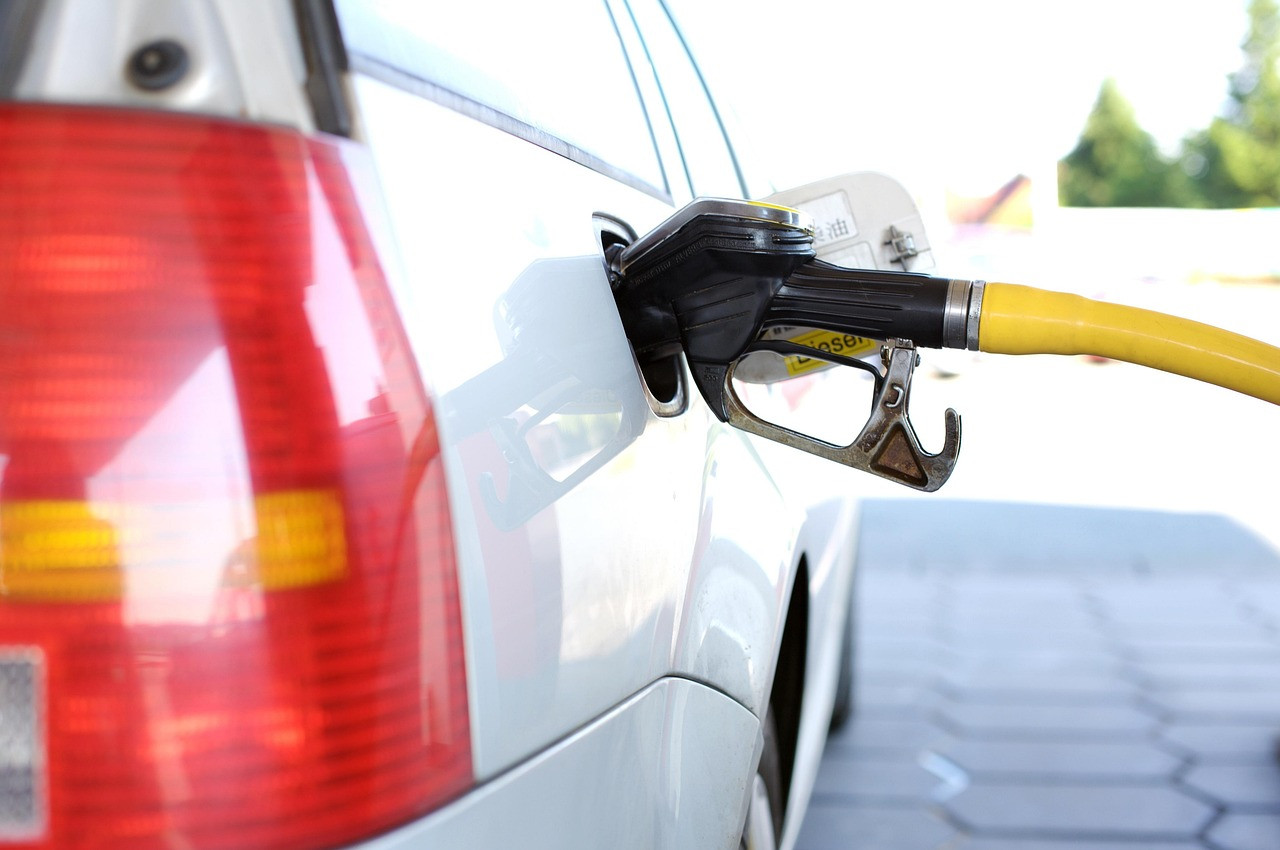
Representative image: andreas160578 / Pixabay
Statistics Canada said on October 19, 2026 that consumer prices rose 3.1% in September from a year earlier, driven by a 27.8% jump in petrol, ahead of an October 28 rate call.
What Happened
Canada's consumer price index rose 3.1% in September 2026 compared with September 2025, up from a 3.0% rise in August, Statistics Canada said on Monday, October 19, 2026. The main cause was petrol: gasoline prices were 27.8% higher than a year earlier. Without gasoline, prices rose 2.2%, slower than the 2.4% pace in August. The figures came nine days before the Bank of Canada's next interest rate decision on October 28.
Key Facts
- Headline inflation: 3.1% year on year in September 2026, against 3.0% in August, according to Statistics Canada.
- Month on month, the index rose 0.1% in September.
- Gasoline prices rose 27.8% year on year and were the largest single driver.
- Excluding gasoline, the index rose 2.2% year on year, down from 2.4% in August.
- The Bank of Canada's preferred core measures eased: CPI-median was 1.9% and CPI-trim was 1.8%.
- Economists surveyed before the release had expected headline inflation of about 3.2%.
- The Bank of Canada's next rate announcement is due on October 28, 2026.
Why It Matters
The September report shows two different pictures of Canadian prices. The headline rate, which is what households feel at the pump and in their monthly bills, edged up because of fuel. But once petrol is set aside, price growth slowed, and the two core measures the Bank of Canada watches most closely sit below 2%, which is the bank's inflation target.
Core measures matter because they try to remove short-term swings. CPI-median takes the price change in the middle of all the categories in the basket, and CPI-trim drops the most extreme rises and falls before averaging the rest. When both are below 2% while the headline rate is above 3%, it suggests that one large item, here energy, is pushing the total up rather than a broad rise in prices across the economy.
That difference shapes the central bank's choice. Raising interest rates makes borrowing dearer and is meant to cool demand across the economy, but it does little to bring down a price set largely by world oil markets. Analysts quoted after the release said a hold is the most likely outcome if the jump stays concentrated in energy and core inflation remains near 2%. Economists at RBC said they expect the Bank of Canada to keep its overnight rate unchanged for the rest of 2026 and to raise it gradually in 2027. At the same time, a report on market pricing said traders were still betting on a hike, after hawkish remarks from Governor Tiff Macklem. The bank is also watching whether high oil prices start to lift people's expectations of future inflation, which would make the energy shock harder to ignore.
For readers in India, the useful point is the role of fuel. Canada's numbers show how a sharp rise in oil prices can lift headline inflation even when underlying price growth is calm. India imports most of its crude oil, so the same global price movements feed into its own fuel and transport costs, although Indian pump prices are set differently.
| Measure | August 2026 | September 2026 |
|---|---|---|
| Headline CPI, year on year | 3.0% | 3.1% |
| CPI excluding gasoline | 2.4% | 2.2% |
| Gasoline, year on year | not given | 27.8% |
| CPI-median | not given | 1.9% |
| CPI-trim | not given | 1.8% |
Impact
Short-term: Canadian households face higher fuel costs, while borrowers wait for the October 28 decision. A hold would keep loan and mortgage rates where they are; a surprise hike would raise them. Bond and currency markets will react to the bank's message on how much weight it gives to energy.
Long-term: If petrol prices stay high for months, the risk is that they spread into transport, food and services prices, and into wage demands. That would turn a one-item shock into broader inflation and could push the bank towards higher rates in 2027, as some economists already expect.
Who is affected: Canadian households and drivers, borrowers with variable-rate loans and mortgages, businesses that depend on fuel and transport, investors in Canadian bonds and the Canadian dollar, and Indian students and families in Canada, whose living costs move with these prices.
Key Takeaway
Canada's inflation rose to 3.1% in September 2026 because of a 27.8% jump in petrol, but core measures near 2% suggest the rise is narrow, which leaves the Bank of Canada's October 28 decision finely balanced.
Questions and Answers
What was Canada's inflation rate in September 2026?
Statistics Canada said on October 19, 2026 that the consumer price index rose 3.1% in September 2026 from a year earlier, up from 3.0% in August. Month on month, prices rose 0.1%.
Why did inflation in Canada rise in September 2026?
Petrol was the main reason. Gasoline prices were 27.8% higher than a year earlier. Excluding gasoline, prices rose 2.2%, which was slower than the 2.4% recorded in August.
Will the Bank of Canada raise interest rates on October 28?
That is not decided. Core inflation measures were near 2%, which supports a hold, and RBC economists expect no change for the rest of 2026. A market report said some traders were still betting on a hike. The decision is due on October 28, 2026.
What are CPI-median and CPI-trim?
They are core inflation measures used by the Bank of Canada. CPI-median takes the middle price change across all categories, and CPI-trim leaves out the most extreme changes before averaging. In September 2026 they were 1.9% and 1.8%.
Disclaimer: Prepared by the Peepals newsroom from publicly available sources with AI assistance. Information is accurate to the best of our knowledge at the time of publication and may change. Images may be representative. Not professional advice. Report an error via our contact page.
Sourced and fact-checked by the Peepals Global Editorial Team
doubleAI raises $200 million from Lightspeed, Bessemer to cut compute costs
Microsoft 365 E7 adds tools to treat AI agents as insider risks
Reported, fact-checked and published by the Peepals Global Editorial Team.