
Rabi sowing gap narrows to 17%; Centre plans for 225 dry districts
 By Rohit SharmaMarkets Analyst, Peepals Business
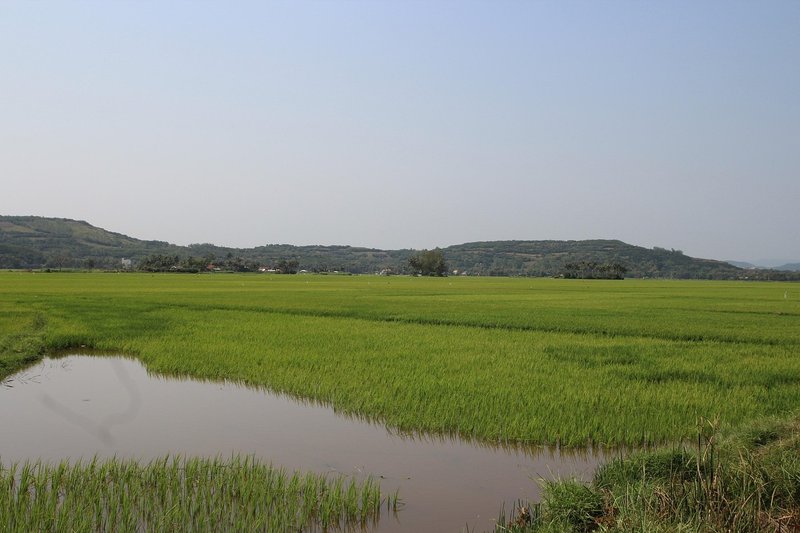
Representative image: HeckiMG / Pixabay
Rabi crops covered 108.66 lakh hectares by 6 November 2026, 17.21% behind last year, as the Centre readies a contingency plan for 225 dry districts.
What Happened
Farmers had sown rabi (winter) crops on 108.66 lakh hectares by Friday, 6 November 2026, 17.21% less than the 131.26 lakh hectares covered by the same point last year, according to Ministry of Agriculture and Farmers Welfare figures reported this week. The gap has narrowed sharply from a week earlier, when sowing was 46% behind. At the same time, the Centre has drawn up contingency plans to help sowing in 225 districts hit by an erratic, El Nino-linked monsoon, a step officials have rarely needed for the winter season. The Indian Council of Agricultural Research (ICAR) is also building a dashboard to guide district officials.
Key Facts
- Total rabi area by 6 November 2026: 108.66 lakh hectares, against 131.26 lakh hectares a year earlier, down 17.21%.
- About 14.5% of the estimated rabi area of 2025-26 has been sown so far, according to the report on the ministry's figures.
- Wheat: 19.77 lakh hectares, 12.02% less than 22.47 lakh hectares last year.
- Pulses: 31.93 lakh hectares, down 14.39% from 37.30 lakh hectares.
- Oilseeds: 42.08 lakh hectares, down 23.61%; rapeseed and mustard alone are down 25.39%.
- As of 30 October, total rabi area was only 37.56 lakh hectares, 46% below last year's 69.02 lakh hectares.
- The contingency plans cover 225 districts affected by the weak monsoon.
- ICAR Director General M.L. Jat said the planned dashboard will combine India Meteorological Department (IMD) weekly forecasts with data on water bodies, and will cover the whole country, not only the 225 districts.
Why It Matters
Rabi crops, sown from October and harvested in spring, include wheat, mustard, gram and other pulses. They supply much of India's wheat and edible oilseeds, so a slow start draws attention from farmers, traders, food processors and the government's grain planners alike. This year's monsoon left soil moisture low in many districts, and farmers in several areas held back planting while waiting for better weather.
The latest figures suggest that the delay is being made up quickly. Between 30 October and 6 November, area under rabi crops nearly tripled. One official quoted in reports on the plan said untimely rain in the wheat belt had delayed sowing and that it was expected to speed up. ICAR has said it is too early to conclude that overall sowing will fall, because planting dates vary from place to place.
Oilseeds are the weakest area, with mustard and rapeseed furthest behind. A smaller oilseed area matters for oil mills and for edible oil supply, which is why the contingency advice leans towards these crops. Pulses are also behind.
The contingency plan is meant to help where moisture is too low for wheat. ICAR's chief has suggested oilseeds and pulses as alternatives in such fields, and ICAR has set up a task force on growing oilseeds and pulses on land left fallow after the rice harvest. The government says stocks of fertilisers and certified seeds are adequate, with supply coordinated down to district level. ICAR plans eventually to link the dashboard with AgriStack, the government's digital database of farmers and farmland.
States are making their own plans as well. Madhya Pradesh's agriculture department has issued a rabi 2026-27 contingency plan that divides the state into 10 agro-climatic zones, noting that the Malwa region received very little rain this monsoon.
Peepals calculation: In the week from 30 October to 6 November, sowing rose by 71.1 lakh hectares (108.66 − 37.56), more than the 62.24 lakh hectares added in the same week last year (131.26 − 69.02). The shortfall is now 22.6 lakh hectares (131.26 − 108.66), so this year's area stands at about 83% of last year's (108.66 ÷ 131.26 ≈ 0.83). Our calculation from the reported figures.
| Crop | Area by 6 Nov 2026 (lakh ha) | Same time 2025 (lakh ha) | Change |
|---|---|---|---|
| All rabi crops | 108.66 | 131.26 | -17.21% |
| Wheat | 19.77 | 22.47 | -12.02% |
| Pulses | 31.93 | 37.30 | -14.39% |
| Oilseeds | 42.08 | Not given | -23.61% |
Impact
Short-term: Farmers in the 225 districts can expect advice on alternative crops, seeds and timing from district officials. The next weekly figures will show whether the catch-up continues.
Long-term: If oilseed and mustard area stays well below last year, it could affect the supply of edible oil and the earnings of oil mills and traders. A lasting shift from wheat to pulses and oilseeds on dry land would change what many small farmers grow.
Who is affected: Farmers in the dry districts, seed and fertiliser suppliers, oil mills, grain traders, and the agencies that plan wheat procurement.
Key Takeaway
Rabi sowing is still 17% behind last year but caught up fast in the first week of November, and the Centre is preparing contingency plans for 225 dry districts.
Questions and Answers
How much rabi sowing has been done in 2026?
By 6 November 2026, rabi crops covered 108.66 lakh hectares, 17.21% less than the 131.26 lakh hectares sown by the same date in 2025, according to the agriculture ministry's figures.
Why is rabi sowing slow this year?
An erratic monsoon linked to El Nino left soil moisture low in many districts, and untimely rain in the wheat belt delayed planting, officials said.
What is the rabi contingency plan for 225 districts?
The Centre has drawn up plans to help sowing in 225 monsoon-hit districts, including advice on alternative crops such as oilseeds and pulses where moisture is too low for wheat, and an ICAR dashboard using IMD weekly forecasts and water-body data.
Which rabi crops are furthest behind?
Oilseeds, down 23.61%, with mustard and rapeseed down 25.39%. Pulses are 14.39% behind and wheat 12.02% behind.
Disclaimer: Prepared by the Peepals newsroom from publicly available sources with AI assistance. Information is accurate to the best of our knowledge at the time of publication and may change. Images may be representative. Not professional advice. Report an error via our contact page.
By Rohit Sharma, Markets AnalystCovers Markets Watch and more for Peepals Business. All stories by Rohit Sharma
Nasdaq 23-hour trading from December 6: overnight session falls in Indian daytime
RBI priority sector lending draft: gold-backed farm loans stay eligible, checks tighten
Get the day's stories in your inbox
Peepals Weekly: the week decoded, free. One email a week, unsubscribe in one click.
Rohit Sharma is a pen name of the Peepals Global Editorial Team, which researches, fact-checks and publishes every story. The portrait is an illustration.