
Israel count: Netanyahu bloc slips to 53 seats, Arab parties hit record 19
 By Rohan SalujaGeopolitics Editor, Peepals Global
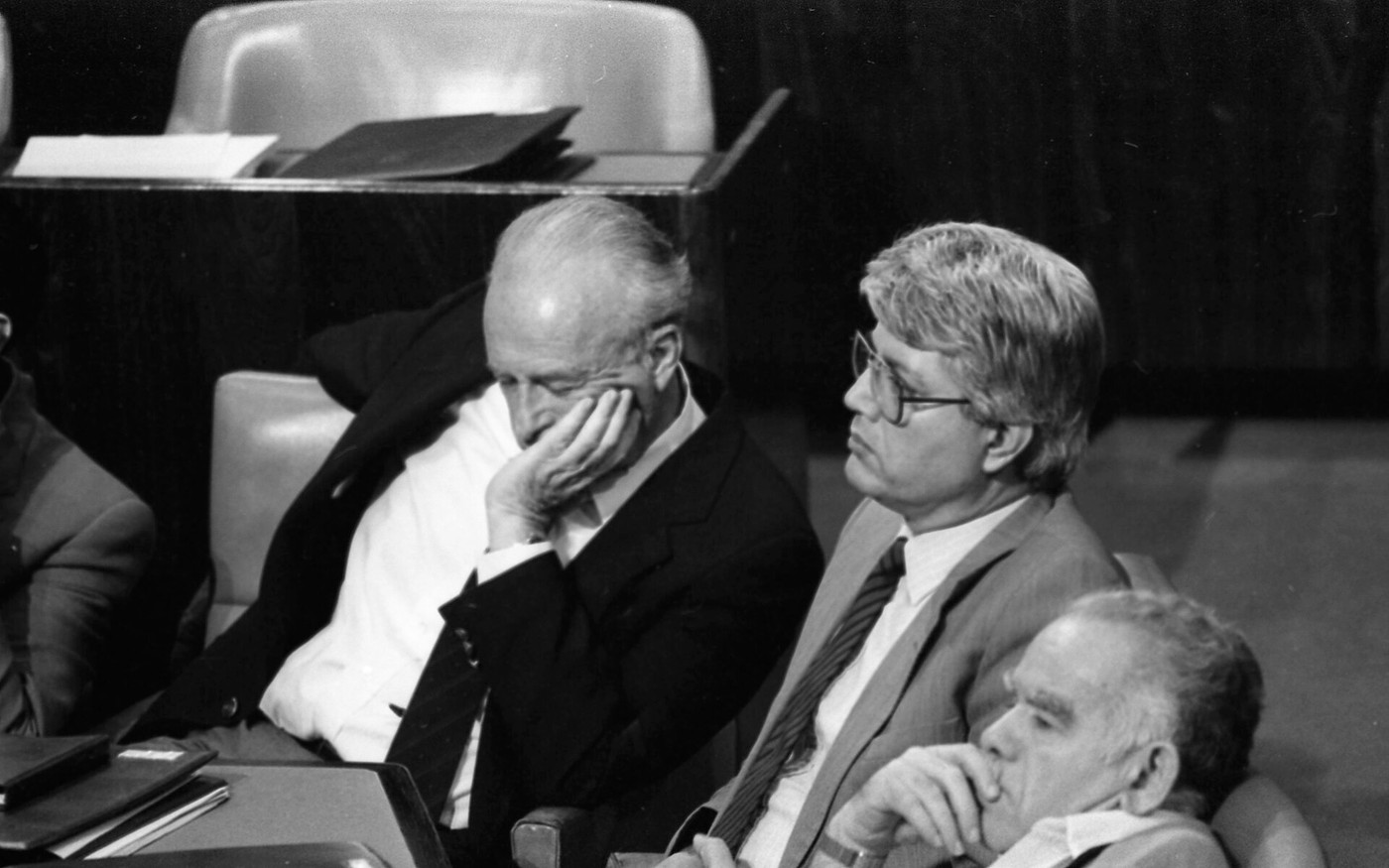
File photo: Efi Sharir (CC BY 4.0), via Wikimedia Commons
With about 91% of votes counted, Netanyahu's bloc has 53 seats, Eisenkot's 48 and Arab parties a record 19, leaving no side with a 61-seat majority.
What Happened
Prime Minister Benjamin Netanyahu's bloc has slipped to 53 seats in Israel's 120-seat Knesset, the parliament, as counting from the October 27, 2026 election neared its end, down from the 56 seats it held in earlier partial counts. With about 91% of votes counted by Wednesday, October 28, the bloc led by Gadi Eisenkot had 48 seats and Arab-majority parties had 19, their highest ever, according to the Central Elections Committee figures reported by Israeli media. No bloc has the 61 seats needed for a majority, and the committee has begun counting absentee and other special ballots, which could still shift the result slightly.
Key Facts
- Netanyahu bloc: 53 seats, down from 56 in earlier partial counts.
- Eisenkot bloc: 48 seats.
- Arab-majority parties: 19 seats, the highest ever, above the previous record of 15 set in 2020.
- Largest parties: Netanyahu's Likud with 26 seats; Eisenkot's Yashar with 21.
- Bennett-Lapid list B'Yachad: projected at 12 seats.
- Arab parties' split: United Arab List (Ra'am) up to 8 seats; Joint List at 11, at the 91% mark.
- Majority needed: 61 of 120 seats; no bloc has it.
- Still to count: double-envelope and absentee ballots; reports say these could still shift the result slightly.
Why It Matters
Our earlier report showed Netanyahu's bloc ahead with 56 seats on a partial count. As more votes were counted, the bloc lost three of those seats, making it much harder for Netanyahu to form a government with his current partners. A 53-seat bloc would need at least eight more seats from outside its ranks to reach a majority.
The opposition's arithmetic is complicated too. Together, the Eisenkot bloc and the Arab-majority parties have 67 seats, more than 61. But Eisenkot has rejected serving under Netanyahu, including in a rotation arrangement where the two would take turns as prime minister, and parts of the opposition have long resisted relying on Arab parties to form a government. That leaves several possible outcomes: a broad coalition formed through difficult compromises, a minority government supported from outside, a caretaker period, or another election.
The record result for Arab-majority parties is significant in itself. Their 19 seats, four more than their previous best of 15 in 2020, give them more weight than ever in the Knesset. Within that total, the United Arab List, known as Ra'am, rose to eight seats while the Joint List slipped to 11 as counting progressed. Reports say they could play a key role in coalition-building, although how that would work is not yet clear.
For India, the result decides who New Delhi will deal with in Jerusalem. This month Netanyahu invited Prime Minister Narendra Modi to light a torch at an Israeli ceremony together with Indian pilot Smit Machchhar, a sign of the personal ties between the two leaders. A long period of coalition talks would leave Israel with a caretaker government while those ties and pending bilateral plans wait.
Impact
Short-term: Final results, including special ballots, are still being counted. Once results are certified, Israel's president consults party leaders on who should get the first chance to form a government.
Long-term: If neither bloc can build a stable majority, Israel could face a long period of coalition talks or a return to the polls, delaying major decisions on security and the economy.
Who is affected: Israeli voters and parties; Arab citizens of Israel, whose parties now hold a record number of seats; Israel's partners, including India and the United States.
Key Takeaway
With about 91% counted, Netanyahu's bloc has fallen to 53 seats and Arab-majority parties have a record 19, leaving Israel without a clear path to a 61-seat government.
Questions and Answers
Who is winning the Israel election 2026?
No bloc has a majority. With about 91% of votes counted, Netanyahu's bloc has 53 seats, Gadi Eisenkot's bloc 48 and Arab-majority parties 19. Likud is the largest single party with 26 seats.
How many seats are needed to form a government in Israel?
A government needs the support of at least 61 of the Knesset's 120 members.
Why is the Arab parties' result important?
Their 19 seats are the most Arab-majority parties have ever won, above the previous high of 15 in 2020, and reports say they could play a key role in forming the next government.
Are the Israel election results final?
Not yet. The elections committee is counting double-envelope and absentee ballots, which could shift the numbers slightly before results are certified.
Disclaimer: Prepared by the Peepals newsroom from publicly available sources with AI assistance. Information is accurate to the best of our knowledge at the time of publication and may change. Images may be representative. Not professional advice. Report an error via our contact page.
By Rohan Saluja, Geopolitics EditorCovers Geopolitics and more for Peepals Global. All stories by Rohan Saluja
Chinese study warns of rising Brahmaputra flood risk as Tibet mega-dam rises
Seoul chipmaker FuriosaAI's valuation quadruples to $2.9 billion in Series D
Get the day's stories in your inbox
Peepals Weekly: the week decoded, free. One email a week, unsubscribe in one click.
Rohan Saluja is a pen name of the Peepals Global Editorial Team, which researches, fact-checks and publishes every story. The portrait is an illustration.