
China-Netherlands joint statement: chip talks continue, Nexperia row unresolved
 By Rohan SalujaGeopolitics Editor, Peepals Global
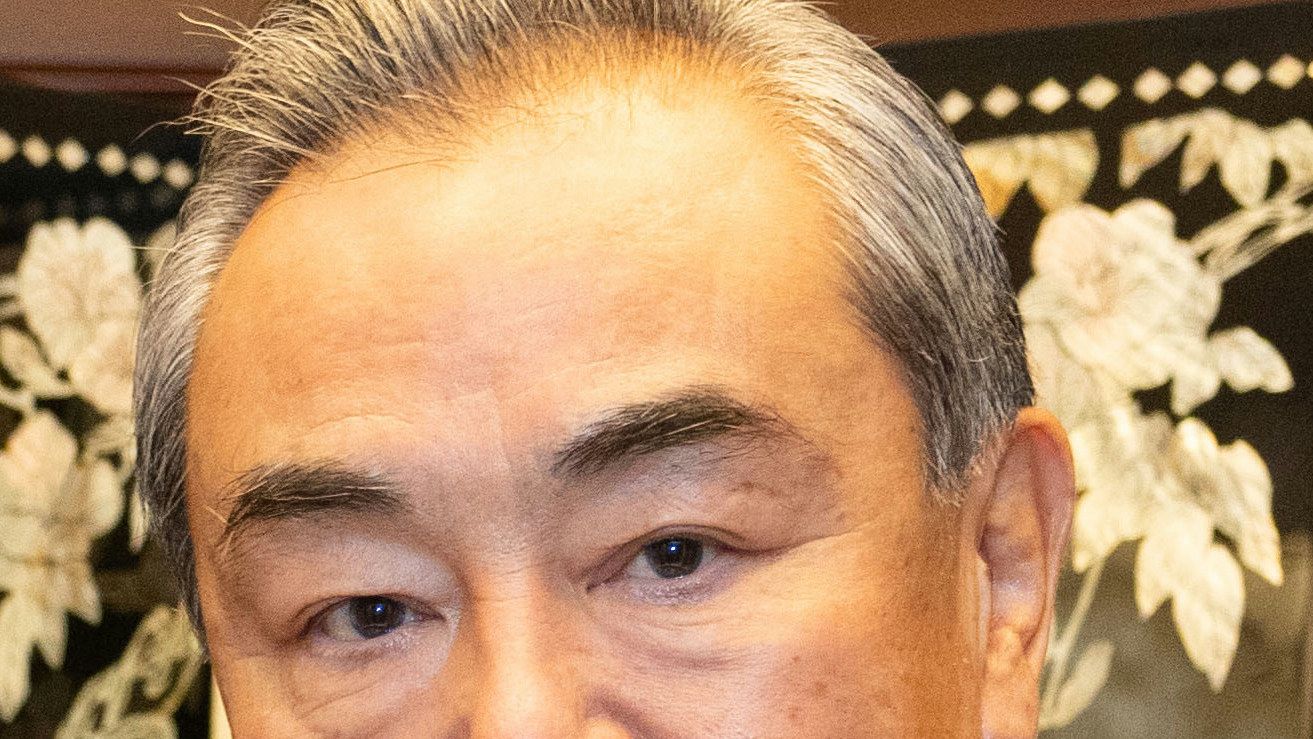
Wang Yi and Dutch minister Tom Berendsen agreed in Beijing on 25 November 2026 to keep talking on chips; the Nexperia dispute remains unresolved.
China Netherlands joint statement: what happened
China and the Netherlands issued a joint statement after talks in Beijing on Wednesday, 25 November 2026, between Chinese Foreign Minister Wang Yi and Dutch Foreign Minister Tom Berendsen, agreeing to keep in close contact through existing channels on cooperation in areas including semiconductors. Berendsen reaffirmed the Netherlands' one-China policy, while Wang urged the Dutch government to provide a fair, transparent and predictable business environment for Chinese companies. The talks came as the dispute between the European and Chinese parts of chipmaker Nexperia remains unresolved, and as Berendsen urged the United States to drop proposed legislation that would restrict Dutch chip-equipment maker ASML's business in China.
China Netherlands joint statement: key facts
- Meeting: Wang Yi and Tom Berendsen in Beijing on Wednesday, 25 November 2026.
- Outcome: a joint statement in which both sides acknowledged the importance of close communication through existing channels on cooperation in fields including semiconductors.
- Dutch position: Berendsen reaffirmed the Netherlands' commitment to the one-China policy, multilateralism and free trade.
- Chinese position: Wang asked for a fair, transparent and predictable business climate for Chinese firms and pressed for more Dutch investment in China; he also asked the Netherlands to help stabilise China-EU relations.
- Nexperia: the dispute between Nexperia's European and Chinese divisions has gone to court on both sides, with no settlement in sight; Berendsen said resolving it is ultimately up to the companies.
- ASML: Berendsen urged Washington not to pass the MATCH Act, which would restrict ASML's business in China, and said export controls are a matter for the Netherlands to decide.
China Netherlands joint statement: why it matters
The Netherlands sits at a pressure point in the global chip industry. ASML, a Dutch company, makes machines used to manufacture chips, and decisions in The Hague on what ASML may sell to China affect the entire semiconductor supply chain. Nexperia, a Dutch-based chipmaker owned by a Chinese group, has been at the centre of a dispute between its European and Chinese arms. Both cases have tied Dutch policy closely to the wider contest between the United States and China over technology.
The joint statement is cautious. It does not create a new mechanism or announce a settlement on Nexperia; it commits both sides to keep talking through channels that already exist. Its value lies in signalling that relations, which had been strained, are being steadied. The one-China reaffirmation is a standard line that Beijing seeks from partners, and including it in a joint statement gives China a public gesture in return for continued dialogue.
Berendsen's message on the MATCH Act shows the Netherlands pushing back on Washington as well. By saying export controls are a Dutch decision, the government is trying to keep control of its own technology policy while staying aligned with allies on security.
For India, which is building its own semiconductor industry and has been deepening technology ties with the Netherlands, the outcome matters indirectly. Stable supplies of basic chips help Indian car and electronics makers, and the rules on what chip-making equipment can be sold where will shape which countries can expand production.
Peepals timeline: The Nexperia dispute between the company's European and Chinese arms developed earlier in 2026 and moved into the courts. On 25 November 2026, Berendsen met Wang Yi in Beijing, and the two sides issued a joint statement on keeping communication open, including on semiconductors. On the same visit, Berendsen urged the United States not to pass the MATCH Act.
| Issue | Chinese side | Dutch side |
|---|---|---|
| Business climate | Fair, predictable treatment for Chinese firms | Companies must resolve Nexperia dispute |
| One-China policy | Sought reaffirmation | Reaffirmed |
| Semiconductors | Keep communication through existing channels | Keep communication through existing channels |
| US MATCH Act | Not stated | Urged US to drop it |
China Netherlands joint statement: impact
Short-term: Relations between Beijing and The Hague look steadier, but nothing in the statement resolves the Nexperia case, which remains before the courts.
Long-term: How the Netherlands balances pressure from Washington and Beijing on ASML and Nexperia will influence global chip supply and the shape of export controls across Europe.
Who is affected: Chipmakers and equipment suppliers, carmakers and electronics firms that depend on basic chips, and countries such as India building semiconductor capacity.
China Netherlands joint statement: key takeaway
The China-Netherlands statement calms the tone but settles nothing; watch the Nexperia court cases and the US MATCH Act for real changes in chip supply.
China Netherlands joint statement: questions and answers
What did China and the Netherlands agree on 25 November 2026?
In a joint statement after talks between Wang Yi and Tom Berendsen, they agreed on the importance of keeping close communication through existing channels on cooperation in areas including semiconductors.
Has the Nexperia dispute been resolved?
No. The dispute between Nexperia's European and Chinese divisions is before courts on both sides, and Berendsen said resolving it is ultimately the companies' responsibility.
What is the MATCH Act?
Proposed US legislation that would restrict ASML's business in China. Berendsen urged Washington not to pass it and said export controls are for the Netherlands to decide.
Did the Netherlands change its position on Taiwan?
No. Berendsen reaffirmed the Netherlands' existing one-China policy.
Disclaimer: Prepared by the Peepals newsroom from publicly available sources with AI assistance. Information is accurate to the best of our knowledge at the time of publication and may change. Images may be representative. Not professional advice. Report an error via our contact page.
By Rohan Saluja, Geopolitics EditorCovers Geopolitics and more for Peepals Global. All stories by Rohan Saluja
Starforge raises €6.6 million to build fusion reactors in factories
The Traitors series 5 starts January 1, 2027 on BBC One, Winkleman returns
Your week ahead, every Sunday. Free.
Exam and result dates, IPOs opening, scheme deadlines, government holidays and the RBI decision for the next 7 days, plus the week's top stories. One email a week, unsubscribe in one click.
Rohan Saluja is a pen name of the Peepals Global Editorial Team, which researches, fact-checks and publishes every story. The portrait is an illustration.
Responsible for this story: the Peepals Global Editorial Team. How we report