
CPTPP accession talks open for UAE, Indonesia, Philippines at Hanoi meeting
 By Rohan SalujaGeopolitics Editor, Peepals Global
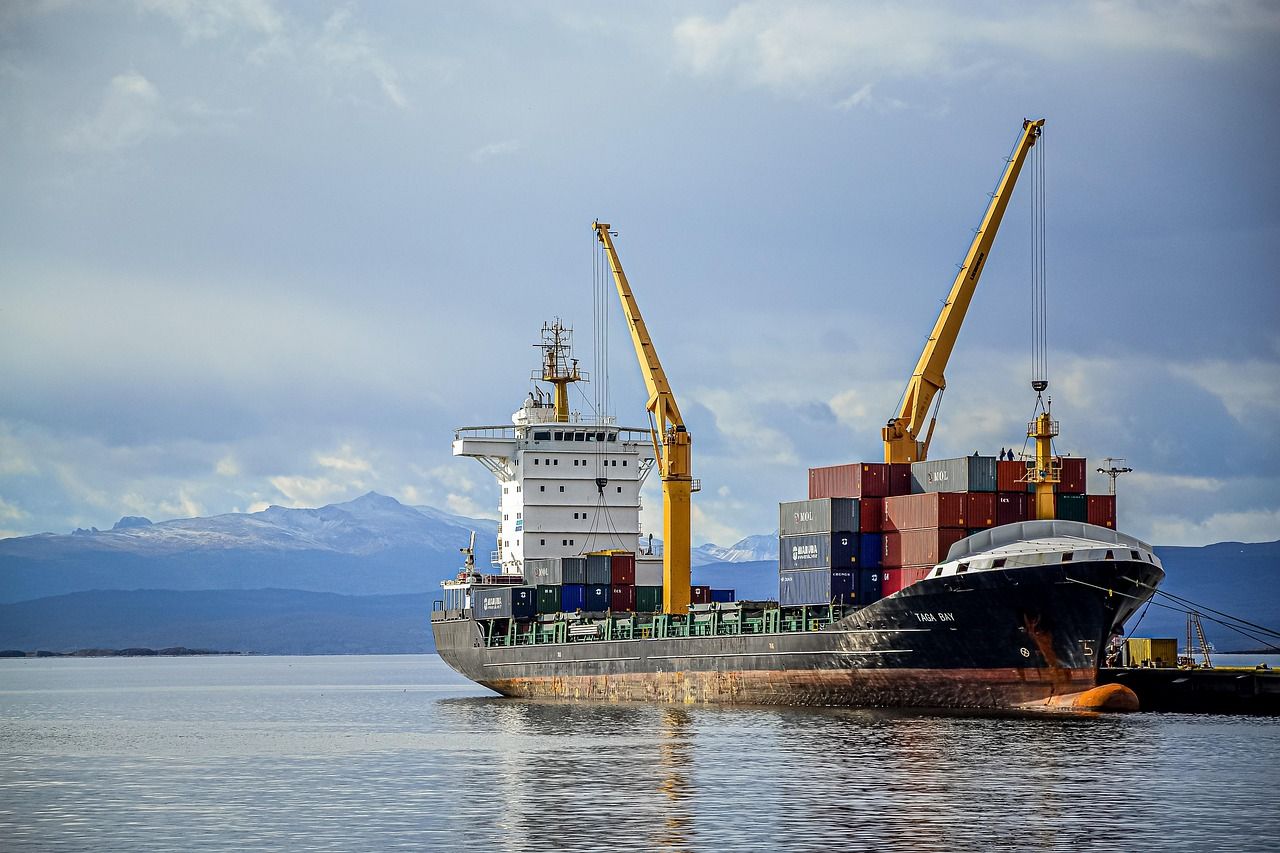
Representative image: hunt-er / Pixabay
CPTPP ministers in Hanoi agreed on 26-27 November 2026 to open accession talks with the UAE, Indonesia and the Philippines and to upgrade the pact by mid-2027.
CPTPP accession: what happened
CPTPP accession talks will begin with the United Arab Emirates, Indonesia and the Philippines, ministers of the Comprehensive and Progressive Agreement for Trans-Pacific Partnership (CPTPP) agreed at the trade bloc's 11th Commission meeting in Hanoi, Vietnam, on 26 and 27 November 2026. They also approved a plan to upgrade the agreement in services, e-commerce, customs and trade facilitation, aiming to substantially conclude those talks by mid-2027, and set up an interim CPTPP support office in Japan. The joint ministerial statement, published on Friday, 27 November, also expressed regret that Costa Rica had not signed its accession protocol at the meeting.
CPTPP accession: key facts
- Meeting: 11th CPTPP Commission, Hanoi, Vietnam, 26-27 November 2026.
- New accession talks: the UAE, Indonesia and the Philippines.
- Working group chairs: New Zealand, Australia and the United Kingdom will chair the three accession working groups.
- Upgrade: talks to modernise rules on services, e-commerce, customs and trade facilitation, targeted to be substantially concluded by mid-2027.
- Institution: an interim CPTPP support office to be set up in Japan.
- Documents: ministers adopted seven documents and decisions, including statements on trade and investment dialogues with the European Union and ASEAN.
- Costa Rica: ministers regretted that it did not sign its accession protocol at the November meeting.
- Uruguay: members reaffirmed their aim to conclude accession talks with Uruguay early.
CPTPP accession: why it matters
The CPTPP is a large free trade agreement linking economies around the Pacific and, with the United Kingdom now chairing one of its working groups, beyond it. Its members cut tariffs among themselves and follow common trade rules. Every new member widens the market that exporters inside the bloc can reach on preferential terms, and every upgrade changes the rules they work under.
Opening talks with three economies at once is a significant step. Indonesia and the Philippines are large South-East Asian markets with fast-growing populations, and the UAE is a Gulf trading and logistics hub. Their entry would extend the bloc's reach into South-East Asia and West Asia. Accession is slow, though: each candidate has to show it can meet the bloc's high standards, and members negotiate market access line by line.
The support office in Japan matters for a different reason. Until now the bloc has run without a permanent secretariat, relying on the rotating chair. A support office, even an interim one, gives it a standing body to manage a growing membership and an expanding set of negotiations.
India is not among the CPTPP's members. As India's trading partners join wider blocs with deeper rules, Indian exporters may face competitors that enjoy preferential access across several markets at once.
Peepals calculation: With talks now open with the UAE, Indonesia and the Philippines, and continuing with Uruguay, four economies are in active accession negotiations (3 + 1). The three new candidates are split among three chairing members, one working group each. The upgrade target of mid-2027 leaves about seven months from the Hanoi meeting to substantially conclude the talks (end-November 2026 to mid-2027). Our calculation from the reported figures.
| Candidate | Status after Hanoi meeting | Working group chair |
|---|---|---|
| UAE | Accession talks launched | One of New Zealand, Australia, UK |
| Indonesia | Accession talks launched | One of New Zealand, Australia, UK |
| Philippines | Accession talks launched | One of New Zealand, Australia, UK |
| Uruguay | Talks continuing; early conclusion sought | Not stated |
| Costa Rica | Accession protocol not signed in November | Not applicable |
CPTPP accession: impact
Short-term: Accession working groups for the three candidates will begin their work, and negotiations on the upgrade agenda start in earnest.
Long-term: If the three candidates join and the upgrade concludes, the CPTPP would become a larger and more modern rulebook for trade across the Indo-Pacific and the Gulf, shaping supply chains in which India also competes.
Who is affected: Governments and exporters of CPTPP members and candidates, companies with supply chains in South-East Asia and the Gulf, and countries outside the bloc, including India, that compete with its members.
What to watch next: The first meetings of the accession working groups and progress on the upgrade talks towards the mid-2027 target.
CPTPP accession: key takeaway
The CPTPP is growing towards South-East Asia and the Gulf, and Indian exporters should track which of their competitors gain preferential access through it.
CPTPP accession: questions and answers
Which countries will start CPTPP accession talks?
The United Arab Emirates, Indonesia and the Philippines, as agreed at the 11th CPTPP Commission in Hanoi on 26-27 November 2026.
Is India part of the CPTPP?
No. India is not among the CPTPP's members, and it was not part of the Hanoi decisions.
What happened with Costa Rica?
The ministers' statement expressed regret that Costa Rica did not sign its accession protocol at the November meeting. The statement did not say its accession had ended.
What is the CPTPP upgrade?
A negotiation to update the agreement's rules on services, e-commerce, customs and trade facilitation, which members aim to substantially conclude by mid-2027.
Disclaimer: Prepared by the Peepals newsroom from publicly available sources with AI assistance. Information is accurate to the best of our knowledge at the time of publication and may change. Images may be representative. Not professional advice. Report an error via our contact page.
By Rohan Saluja, Geopolitics EditorCovers Geopolitics and more for Peepals Global. All stories by Rohan Saluja
Nextesy raises $10.4 million seed for AI bookkeeping, Swisscom Ventures leads
Lee Zii Jia retires in Lucknow; Tanvi Sharma, Unnati Hooda win Syed Modi QFs
Your week ahead, every Sunday. Free.
Exam and result dates, IPOs opening, scheme deadlines, government holidays and the RBI decision for the next 7 days, plus the week's top stories. One email a week, unsubscribe in one click.
Rohan Saluja is a pen name of the Peepals Global Editorial Team, which researches, fact-checks and publishes every story. The portrait is an illustration.
Responsible for this story: the Peepals Global Editorial Team. How we report