
DR Congo referendum law: Tshisekedi signs it amid third-term fears
 By Rohan SalujaGeopolitics Editor, Peepals Global
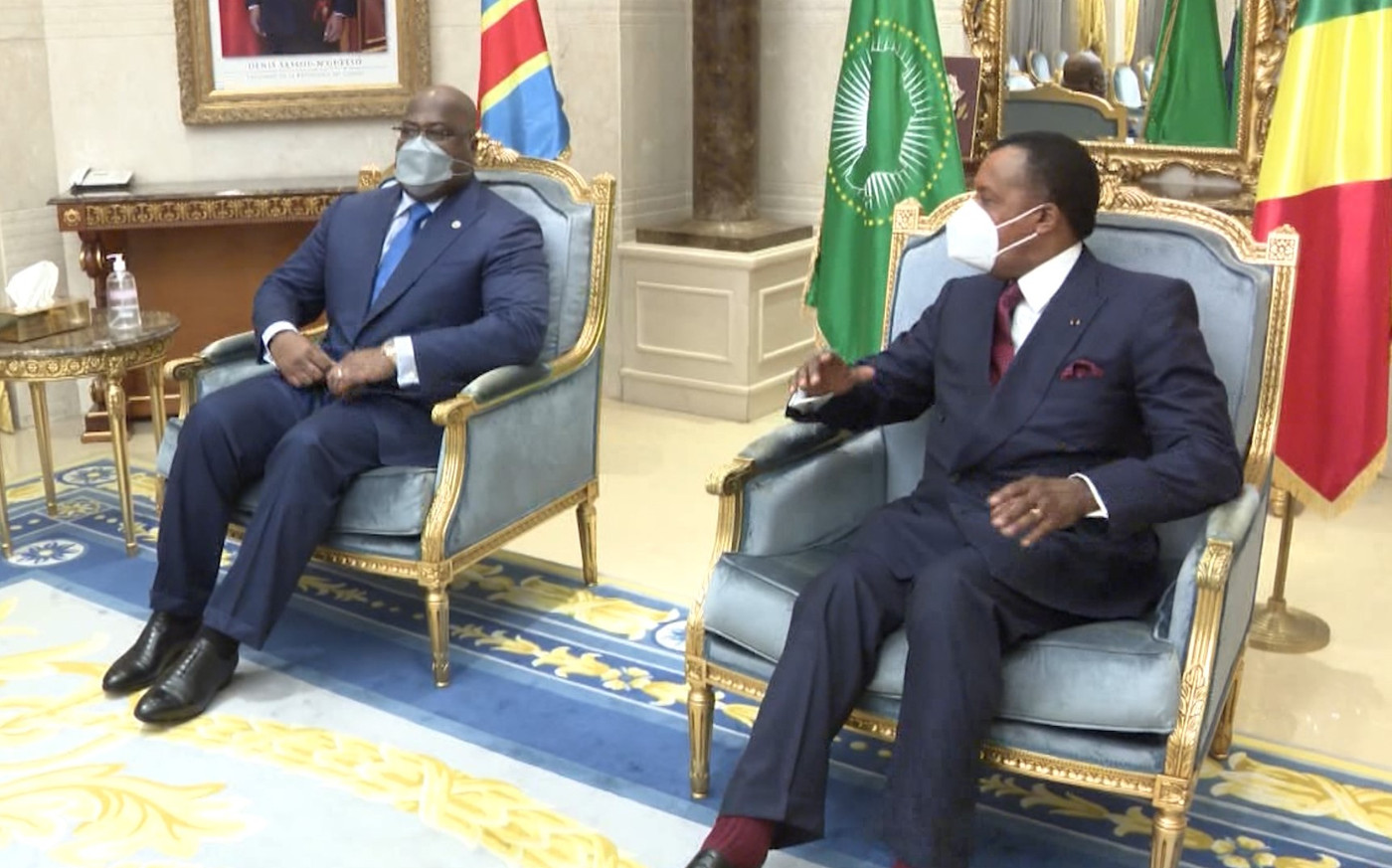
File photo: VOA / Arsène Séverin (Public domain), via Wikimedia Commons
DR Congo President Felix Tshisekedi has signed a law setting out how the constitution can be changed by referendum, announced on 10 November 2026, fuelling third-term fears.
What Happened
Felix Tshisekedi, President of the Democratic Republic of the Congo (DR Congo), has signed into law a bill that sets out how the country's constitution can be changed or replaced through a referendum. According to reports, he signed it on Monday, 9 November 2026, and the move was announced on state television late on Tuesday, 10 November. Opposition parties and critics fear the law could be used to remove the two-term limit on the presidency and let Tshisekedi stay beyond 2028, when his second term ends. Tshisekedi has denied seeking a third term. No date has been set for any referendum.
Key Facts
- The law lays down how a new constitution could be drafted and put to a public vote, and how existing articles of the constitution could be amended, according to reports.
- Under the current constitution, the two-term limit and the length of presidential terms are protected from change by parliament; a regional report cites Article 220 as the clause that bars such amendments.
- Tshisekedi is serving his second five-year term, due to end in 2028.
- Tshisekedi has said he is not seeking a third term but would accept one if the Congolese people wanted it.
- Reports differ on when parliament passed the bill: one says the National Assembly approved it on 23 October with 346 of 347 members present voting in favour, while others say it was passed earlier.
- The Constitutional Court said the proposed law complies with the constitution, according to reports.
- The opposition held protests in Kinshasa and other cities in June and September against what it called a "constitutional coup".
Why It Matters
DR Congo's constitution protects the number and length of presidential terms from being changed by lawmakers. The new law does not change that clause on its own, but critics fear that a referendum, possibly on a new constitution, could be used to scrap the two-term limit and change the length of terms, which parliament alone cannot do.
Tshisekedi's own position is that the decision would rest with the people. The opposition sees the law as the first step towards keeping Tshisekedi in power after 2028. Because both sides now accept that the next move would be a referendum, attention will turn to when one might be called and how it would be organised.
The way the law reached the statute book also drew attention. Reports give different dates for the parliamentary vote, and the signing itself became public only a day later, through state television. With the 2028 end of Tshisekedi's term still about two years away, the timing of any referendum call will be the main signal of the government's intentions.
Peepals timeline: The opposition protested against a possible constitutional change in June and again in September 2026. The Constitutional Court found the proposed referendum law compatible with the constitution, and parliament approved it, with one report putting the National Assembly vote on 23 October at 346 to 1 of those present. Tshisekedi signed the law on Monday, 9 November, and state television announced it late on 10 November. His current term runs until 2028, and no referendum date has been fixed.
| Step | Date (as reported) |
|---|---|
| Opposition protests | June and September 2026 |
| National Assembly vote (one report) | 23 October 2026 |
| Law signed by Tshisekedi | Monday, 9 November 2026 |
| Signing announced on state TV | Tuesday, 10 November 2026 |
| End of Tshisekedi's second term | 2028 |
Impact
Short-term: The opposition is likely to keep up its campaign against the law, and the government faces questions on whether and when it will call a referendum.
Long-term: If a referendum is held and a new constitution removes or resets the two-term limit, Tshisekedi could become eligible to run again in 2028. If not, the law may stay unused.
Who is affected: DR Congo's voters and political parties, civil society groups, foreign investors in its mining sector, and partners working on peace in the country's east.
Key Takeaway
Tshisekedi's signature on DR Congo's referendum law creates a legal route to change or replace the constitution, which critics fear could end the two-term limit before his term ends in 2028, though no vote has been called.
Questions and Answers
What does DR Congo's new referendum law do?
It sets out how a new constitution could be drafted and submitted to voters in a referendum, and how existing constitutional articles could be amended. It does not itself change the constitution or set a referendum date.
Why do critics link the law to a third term for Tshisekedi?
Because the current constitution bars parliament from changing the two-term limit, and critics fear a referendum on a new constitution could remove that limit and let Tshisekedi run again after his second term ends in 2028.
What has Tshisekedi said about a third term?
He has denied seeking a third term but has said he would accept one if the Congolese people wanted it.
When was the referendum law signed?
According to reports, Tshisekedi signed it on Monday, 9 November 2026, and the signing was announced on state television late on Tuesday, 10 November.
Disclaimer: Prepared by the Peepals newsroom from publicly available sources with AI assistance. Information is accurate to the best of our knowledge at the time of publication and may change. Images may be representative. Not professional advice. Report an error via our contact page.
By Rohan Saluja, Geopolitics EditorCovers Geopolitics and more for Peepals Global. All stories by Rohan Saluja
Get the day's stories in your inbox
Peepals Weekly: the week decoded, free. One email a week, unsubscribe in one click.
Rohan Saluja is a pen name of the Peepals Global Editorial Team, which researches, fact-checks and publishes every story. The portrait is an illustration.