
Egypt, Bahrain, UAE back Greece against Turkey-Libya maritime deal at UN
 By Rohan SalujaGeopolitics Editor, Peepals Global
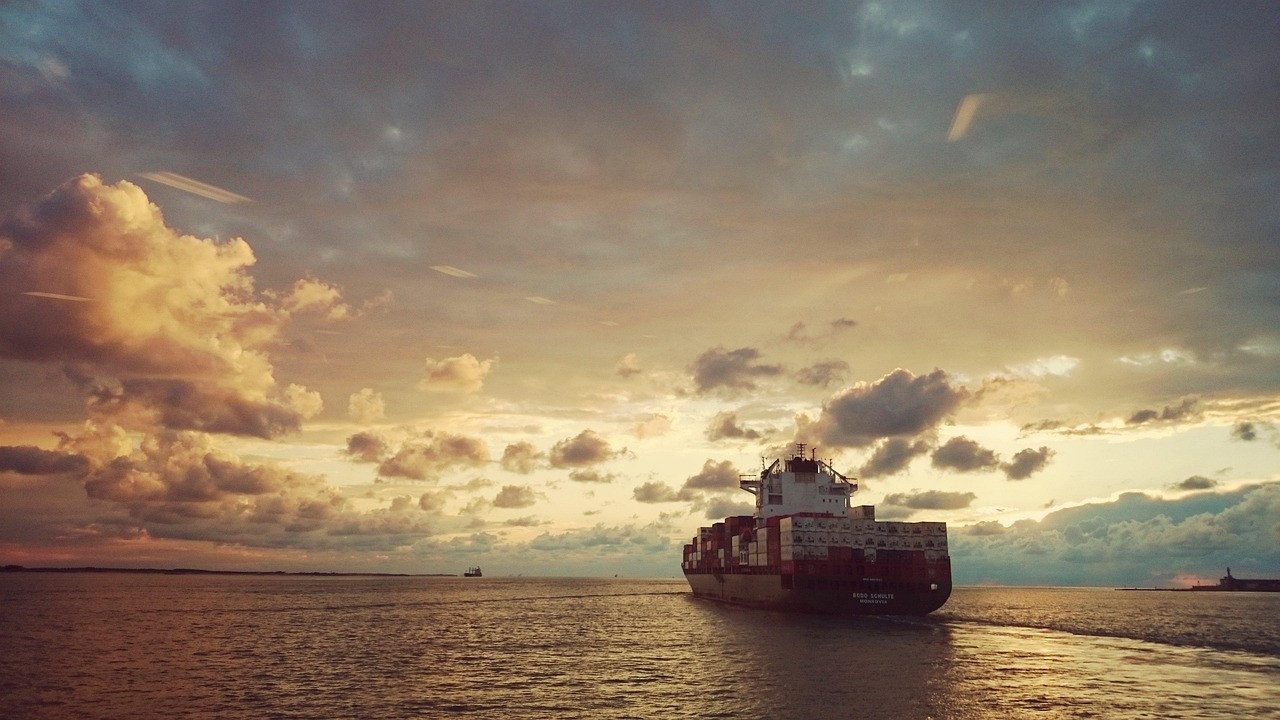
Representative image: vschoenpos / Pixabay
Egypt, Bahrain and the UAE joined Greece at the UN on October 26, 2026, opposing the Turkey-Libya sea boundary deal approved by Libya's eastern parliament.
What Happened
Egypt, Bahrain and the United Arab Emirates have backed Greece against the 2019 maritime boundaries accord between Turkey and Libya. Greek Foreign Minister George Gerapetritis read a joint statement at the United Nations in New York on Monday, October 26, 2026, saying the accord raised "serious concerns for regional security and stability". The statement came six days after Libya's eastern parliament, which had refused to approve the deal for years, voted for it on Tuesday, October 20.
Key Facts
- The Turkey-Libya memorandum on maritime boundaries was signed in 2019 by Libya's internationally recognised government in Tripoli.
- Libya's eastern-based parliament approved it on October 20, 2026, and in the same session reversed its 2020 decision to cut political ties with Ankara.
- Greece called the accord a violation of the international law of the sea, arguing that Turkey and Libya do not have opposite or adjacent coastlines between which a boundary could be drawn.
- Egypt has called the deal null and void and says it has no legal effect on Egypt.
- Egypt, Bahrain and the UAE joined Greece in a statement read at the UN on October 26.
- Turkey's foreign ministry welcomed the Libyan vote; President Recep Tayyip Erdogan said objections from the European Union and others had no legitimate basis.
- European Commission President Ursula von der Leyen and European Council President Antonio Costa also rejected the vote.
Why It Matters
The dispute is about who controls the seabed and waters of the eastern Mediterranean, an area with known and suspected natural gas reserves and busy shipping lanes. Under the law of the sea, coastal states can claim an exclusive economic zone, a belt of sea where they alone have rights to fish and to drill for oil and gas. Where the zones of two countries overlap, they draw a boundary between them. Greece argues that Turkey and Libya cannot draw such a line at all, because their coastlines do not face each other or meet, and that the deal cuts into sea areas Greece claims. Since the deal was first signed, Greece has given a consortium led by the US company Chevron a licence to look for gas off Crete, which raises the stakes.
The October 20 vote changed the politics inside Libya. The country has had rival administrations since its civil war: the government in Tripoli in the west, which signed the deal with Turkey, and an eastern camp around military commander Khalifa Haftar, whose parliament had blocked it. By approving it now, the eastern side has moved closer to Ankara, which has long backed Tripoli. That weakens one of Greece's main arguments, that the deal never had the support of all of Libya, although Libya remains divided and the legal effect of the vote is disputed.
The joint statement from Cairo, Manama and Abu Dhabi turns a dispute between neighbours into a wider regional line-up. The three Arab states and Greece framed their concern around regional stability and the precedent of bilateral deals that, in their view, bypass established international law. Turkey, in turn, rejects the criticism and defends the deal as lawful.
For India, the eastern Mediterranean lies on the sea route between the Suez Canal and European ports, and Greece, Egypt and the UAE are all countries India has close ties with. Any rise in tension over sea zones there is worth watching for shipping, insurance and energy prices, even though no direct effect on India has been reported.
| Party | Position on the Turkey-Libya accord |
|---|---|
| Turkey | Supports it; calls objections illegitimate |
| Libya (Tripoli government) | Signed it in 2019 |
| Libya (eastern parliament) | Approved it on October 20, 2026 |
| Greece | Rejects it as contrary to the law of the sea |
| Egypt, Bahrain, UAE | Backed Greece in UN statement on October 26 |
Impact
Short-term: Expect diplomatic exchanges at the UN and within the EU, and statements from Ankara rejecting the Arab position. Greece has said it informed its partners and allies and will take all appropriate measures to protect its sovereign rights.
Long-term: The accord could complicate gas exploration and future maritime deals in the eastern Mediterranean, including Greece's own efforts to agree a boundary with Libya. A wider regional bloc against the deal may push the dispute toward negotiation or international legal forums, but neither side has signalled a change of position.
Who is affected: Greece, Cyprus, Turkey and Libya's rival authorities; Egypt and Gulf states with interests in eastern Mediterranean energy; energy companies exploring off Crete; and shipping and trade that crosses the region, including India's trade with Europe.
Key Takeaway
Egypt, Bahrain and the UAE sided with Greece at the UN on October 26, 2026, against the Turkey-Libya sea boundary deal that Libya's eastern parliament approved on October 20, widening a dispute over eastern Mediterranean waters and gas.
Questions and Answers
What is the Turkey-Libya maritime accord?
It is a 2019 memorandum between Turkey and Libya's Tripoli-based government that draws a boundary between the two countries' sea zones in the eastern Mediterranean. Greece, Egypt and Cyprus say it ignores their own maritime rights.
Why did the dispute flare up again in October 2026?
Libya's eastern parliament, which had blocked the deal for years, approved it on October 20, 2026. Greece rejected the vote, and on October 26 Egypt, Bahrain and the UAE backed Greece in a joint statement at the UN.
What did the joint statement say?
Read by Greek Foreign Minister George Gerapetritis, it said the accord raised "serious concerns for regional security and stability" and warned against bilateral deals that, in the signatories' view, bypass established international law.
How has Turkey responded?
Turkey's foreign ministry welcomed the Libyan vote, and President Recep Tayyip Erdogan said reactions from the European Union and others had no legitimate basis.
Disclaimer: Prepared by the Peepals newsroom from publicly available sources with AI assistance. Information is accurate to the best of our knowledge at the time of publication and may change. Images may be representative. Not professional advice. Report an error via our contact page.
By Rohan Saluja, Geopolitics EditorCovers Geopolitics and more for Peepals Global. All stories by Rohan Saluja
Choi Bool-am, veteran Korean actor of Country Diaries, dies at 87
George Michael's Faith guitar sells for £234,480 despite family row
Get the day's stories in your inbox
Peepals Weekly: the week decoded, free. One email a week, unsubscribe in one click.
Rohan Saluja is a pen name of the Peepals Global Editorial Team, which researches, fact-checks and publishes every story. The portrait is an illustration.