
UK Budget summary: Healey doubles bank surcharge, scraps gas standing charges
 By Rohan SalujaGeopolitics Editor, Peepals Global
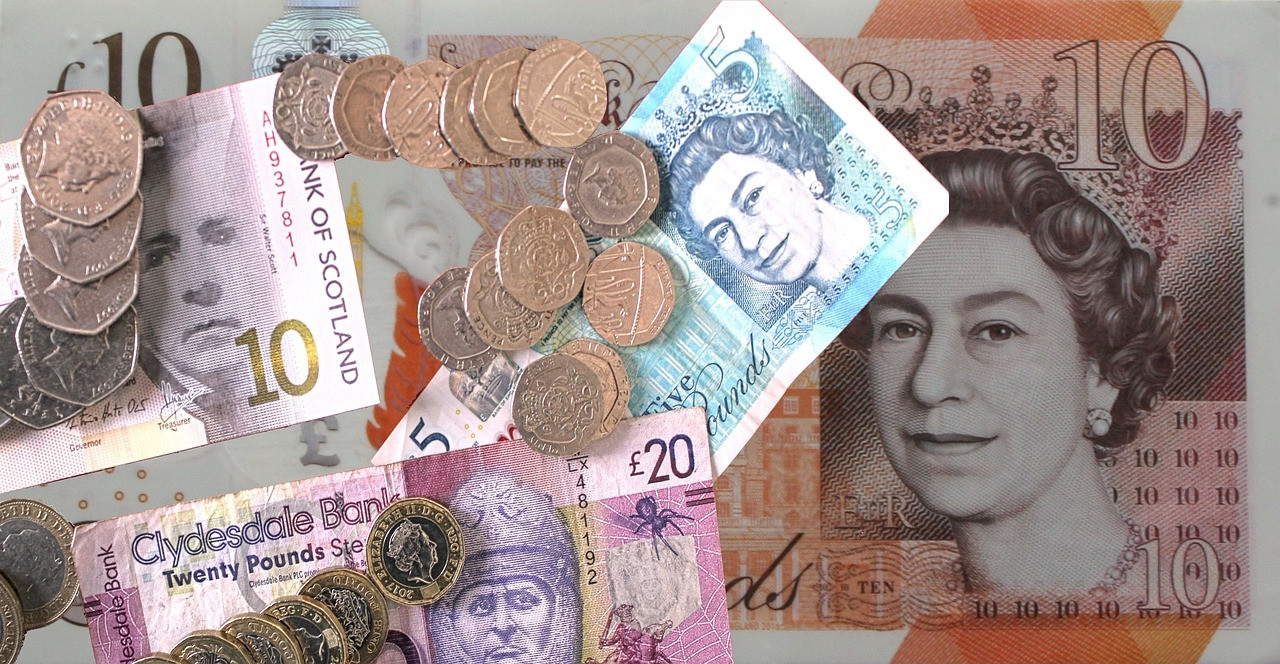
Representative image: bluebudgie / Pixabay
UK Chancellor John Healey's October 28, 2026 Budget doubled the bank surcharge to 6% to fund £100 energy payments and scrapped gas standing charges from 2027.
What Happened
Britain's Chancellor of the Exchequer John Healey presented his first Budget on Wednesday, October 28, 2026, doubling a surcharge on bank profits to help pay for £100 energy payments to around 20 million households, and announcing that standing charges on gas bills will be scrapped. In a Budget summary shaped by high energy prices linked to the war in the Middle East, he also dropped a planned cut to the cash ISA savings allowance, raised taxes on income from savings and property, and promised to fully fund the government's defence investment plan.
Key Facts
- Bank surcharge: doubled to 6% on profits earned by banks in the UK, for 15 months from January; the Office for Budget Responsibility (OBR), Britain's fiscal watchdog, estimates it will raise £1.5 billion after allowing for about £190 million lost as some banks move profits abroad.
- Energy help: a £100 Household Energy Payment for about 20 million households in council tax bands A to D, costing £2.6 billion; the VAT cut on household electricity and the 5p fuel duty cut both extended to July.
- Gas standing charges: to be removed for about 23 million homes "in 2027 or as soon as possible after", with fixed costs moved into the unit price; the Treasury estimates 60% of households would save an average of £45 a year.
- Savings: the planned cut of the cash ISA limit to £12,000 for under-65s was scrapped, keeping the £20,000 annual ISA allowance; a new starter ISA was announced.
- Tax rises: taxes on income from savings and property rise by a further two percentage points from April 2027; gambling operators also face higher taxes.
- Pensioners whose income is no more than the full new state pension will not pay income tax in this parliament.
- Growth: 1.2% this year, slowing to 1.0% in 2027, which Healey linked to the effects of the Middle East war.
Why It Matters
This was a Budget written against an energy shock. With oil and gas prices pushed up by the conflict in the Middle East, the government's main aim was to shield households from higher bills while keeping borrowing in check. Its answer was to raise more from banks and to use that money for direct payments and lower energy taxes.
The bank tax is the most closely watched measure. Doubling the surcharge to 6% for a limited period raises money quickly, but the OBR's own estimate that some banks will move profits out of the UK shows the trade-off between raising revenue and keeping the City of London attractive. The removal of gas standing charges, the fixed daily fee paid regardless of use, will help low users most, but heavier gas users could pay more once those costs are folded into the price per unit.
The defence pledge matters beyond Britain. Healey said he would fully fund the defence investment plan, which had promised £15 billion but committed only £10.3 billion, closing the gap by shifting capital spending across government departments. Details of how Britain will reach the NATO target of 3.5% of GDP by 2035 were left to next year's spending review.
| Measure | What changes |
|---|---|
| Bank surcharge | Doubled to 6% for 15 months from January |
| Household Energy Payment | £100 for about 20 million homes (bands A-D) |
| Gas standing charges | To be removed from 2027 for about 23 million homes |
| Cash ISA | £20,000 limit kept; planned £12,000 cap dropped |
| Savings and property income tax | Up two percentage points from April 2027 |
Impact
Short-term: Lower- and middle-income households get £100 and continued VAT and fuel duty relief through the winter, while UK banks face a higher tax bill from January.
Long-term: Removing gas standing charges and funding defence from reprioritised capital spending will reshape energy bills and public investment, while slower growth of 1.0% in 2027 leaves little room for future giveaways.
Who is affected: UK households in council tax bands A to D, savers and landlords, banks and gambling firms, pensioners on the state pension, and Britain's defence industry and allies.
Key Takeaway
John Healey's first Budget, on October 28, 2026, doubled the UK bank surcharge to 6% to fund £100 energy payments and scrapped gas standing charges from 2027, as the Middle East war slows growth.
Questions and Answers
What was in the UK Budget of October 28, 2026?
Chancellor John Healey doubled the bank surcharge to 6% for 15 months, gave £100 energy payments to about 20 million households, extended the VAT cut on household electricity and the fuel duty cut to July, scrapped a planned cash ISA cut and announced the removal of gas standing charges from 2027.
Who gets the £100 Household Energy Payment?
About 20 million households in council tax bands A to D will receive £100, paid directly into bank accounts, under a £2.6 billion scheme announced in the Budget.
Is the cash ISA allowance being cut?
No. The plan to limit cash ISA contributions to £12,000 a year for under-65s was scrapped. Savers can still put up to £20,000 a year into ISAs.
What will happen to gas standing charges?
The government will ask the energy regulator Ofgem to remove gas standing charges for about 23 million homes in 2027 or as soon as possible after. The fixed costs will be added to the price per unit instead, which the Treasury estimates will save 60% of households about £45 a year.
Disclaimer: Prepared by the Peepals newsroom from publicly available sources with AI assistance. Information is accurate to the best of our knowledge at the time of publication and may change. Images may be representative. Not professional advice. Report an error via our contact page.
By Rohan Saluja, Geopolitics EditorCovers Geopolitics and more for Peepals Global. All stories by Rohan Saluja
UAE confers Order of Zayed II on Indian pilot Smit Machchhar
WADA puts ICC in Tier 1 before Olympics; India stays top tier
Get the day's stories in your inbox
Peepals Weekly: the week decoded, free. One email a week, unsubscribe in one click.
Rohan Saluja is a pen name of the Peepals Global Editorial Team, which researches, fact-checks and publishes every story. The portrait is an illustration.