
Chinese study warns of rising Brahmaputra flood risk as Tibet mega-dam rises
 By Rohan SalujaGeopolitics Editor, Peepals Global
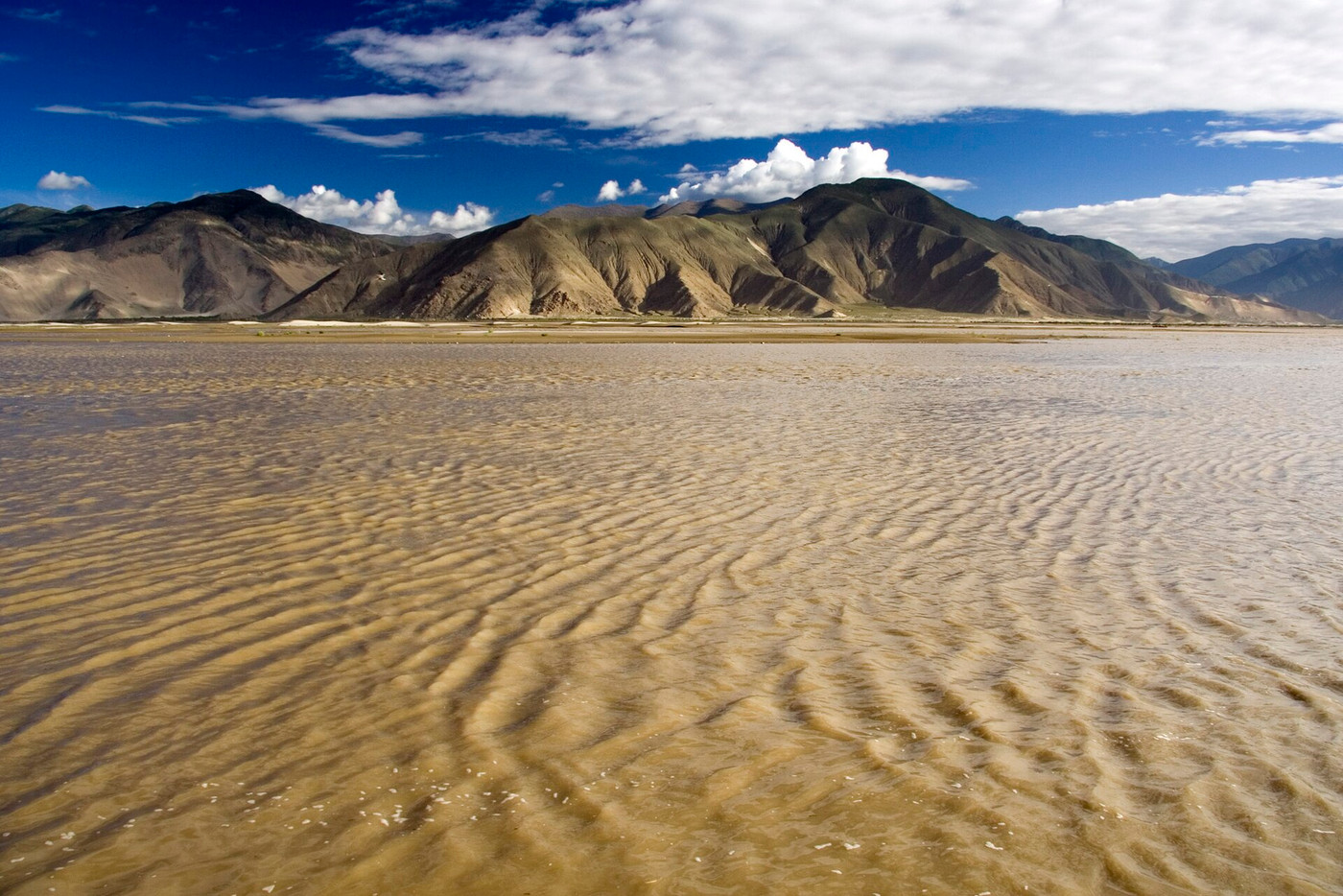
File photo: Luca Galuzzi ( Lucag ) (CC BY-SA 2.5), via Wikimedia Commons
A Chinese study projects higher runoff and more flood-prone years on the Yarlung Tsangpo, the Brahmaputra's upper course, where China is building its biggest dam.
What Happened
A study by researchers from the Chinese Academy of Sciences and Yunnan University projects that runoff on the Yarlung Tsangpo, the Tibetan river that becomes the Brahmaputra downstream in India, is likely to rise this century, along with a possible increase in high-runoff events such as floods. Published on October 8, 2026, in the journal China Science Bulletin, the findings were widely reported from October 26, 2026, because the river is the site of China's planned hydropower project near Medog, described in reports as the world's largest. The authors said future runoff should be taken into account when planning water and storage infrastructure and when assessing water risks that cross borders.
Key Facts
- Study: by researchers from the Chinese Academy of Sciences and Yunnan University, published October 8, 2026, in China Science Bulletin.
- Method: tree-ring widths from the south-eastern Tibetan Plateau used to rebuild the river's runoff from 1325 to 2020.
- Projection: higher runoff under future climate scenarios, with a possible rise in flood-type high-runoff events.
- Reported scale: one report says runoff this century could rise by about 20% under a middle-of-the-road scenario and 29% under a high-emissions scenario, compared with 1325-2020; this figure has not been confirmed against the paper.
- Dam: China's hydropower project near Medog, at the river's Great Bend, has an estimated cost of about $168 billion and a planned capacity of around 60,000 megawatts, according to reports.
- Researchers' advice: consider changing runoff in infrastructure planning and transboundary water-risk assessments.
- China's position: Beijing has previously said the project will not affect downstream countries.
Why It Matters
The Yarlung Tsangpo rises in Tibet and flows into India, where it is known as the Brahmaputra. What happens upstream therefore matters to India's north-eastern states. China's plan to build a giant hydropower project near Medog, at the river's Great Bend, has drawn warnings from experts in India and Bhutan about the risks such a project could pose downstream.
This study adds a new dimension. It does not assess the dam directly; it looks at the river's long-term behaviour. Climate records in the region go back only to the mid to late 20th century, so the researchers used tree rings, which grow wider in wetter years and narrower in drier ones, to reconstruct about 700 years of river flow. Their model suggests that, as the climate warms, the river is likely to carry more water and see more extreme high-flow years. For a project built in a steep gorge, that raises engineering questions about how much water the dam and its reservoirs must be able to handle safely.
The findings come from Chinese state-linked scientists, which gives them weight in a debate where China's government has defended the project. A companion paper reported alongside it urged engineers to strengthen slope stability and protections against landslides, and summaries note that Chinese geologists warned in July 2026 about active-fault concerns at the site. Taken together, they suggest that even within China, scientists see real natural risks in the region.
For India, the findings are likely to feature in calls for closer data-sharing with China on river flows and for flood planning in Arunachal Pradesh and Assam that allows for heavier flows in future. Whether China will share more data or adjust its plans is not yet known.
Impact
Short-term: The study is likely to be cited in India's diplomatic and expert discussions on the Medog project and on river data-sharing with China.
Long-term: If runoff and flood events rise as projected, downstream regions in India will need flood defences and early-warning systems designed for larger flows, regardless of how the dam is operated.
Who is affected: People living along the Brahmaputra in India's north-east; India's and China's water and disaster-management agencies; and engineers and planners working on the Medog project.
Key Takeaway
A Chinese study projects more water and more flood-prone years on the Yarlung Tsangpo this century, adding scientific weight to India's concerns about China's mega-dam upstream of the Brahmaputra.
Questions and Answers
What did the Chinese study on the Yarlung Tsangpo find?
Using tree rings to rebuild river flow from 1325 to 2020, researchers from the Chinese Academy of Sciences and Yunnan University projected that runoff will likely rise this century, with a possible increase in flood-type high-flow events.
Why does the Yarlung Tsangpo matter to India?
The river flows from Tibet into India, where it is called the Brahmaputra. Changes upstream, including China's planned mega-dam near Medog, can affect water flows and flood risk in India's north-east.
Did the study say the dam is unsafe?
No. The study looked at long-term river flows, not the dam itself. But the authors said projected changes in runoff should be considered when planning storage infrastructure and assessing cross-border water risks.
How big is China's hydro project on the Yarlung Tsangpo?
Reports describe it as the world's largest, with an estimated cost of about $168 billion and a planned capacity of around 60,000 megawatts.
Disclaimer: Prepared by the Peepals newsroom from publicly available sources with AI assistance. Information is accurate to the best of our knowledge at the time of publication and may change. Images may be representative. Not professional advice. Report an error via our contact page.
By Rohan Saluja, Geopolitics EditorCovers Geopolitics and more for Peepals Global. All stories by Rohan Saluja
Get the day's stories in your inbox
Peepals Weekly: the week decoded, free. One email a week, unsubscribe in one click.
Rohan Saluja is a pen name of the Peepals Global Editorial Team, which researches, fact-checks and publishes every story. The portrait is an illustration.