
Venezuela oil: first cargo under US-NABEP deal reaches Texas
 By Rohan SalujaGeopolitics Editor, Peepals Global
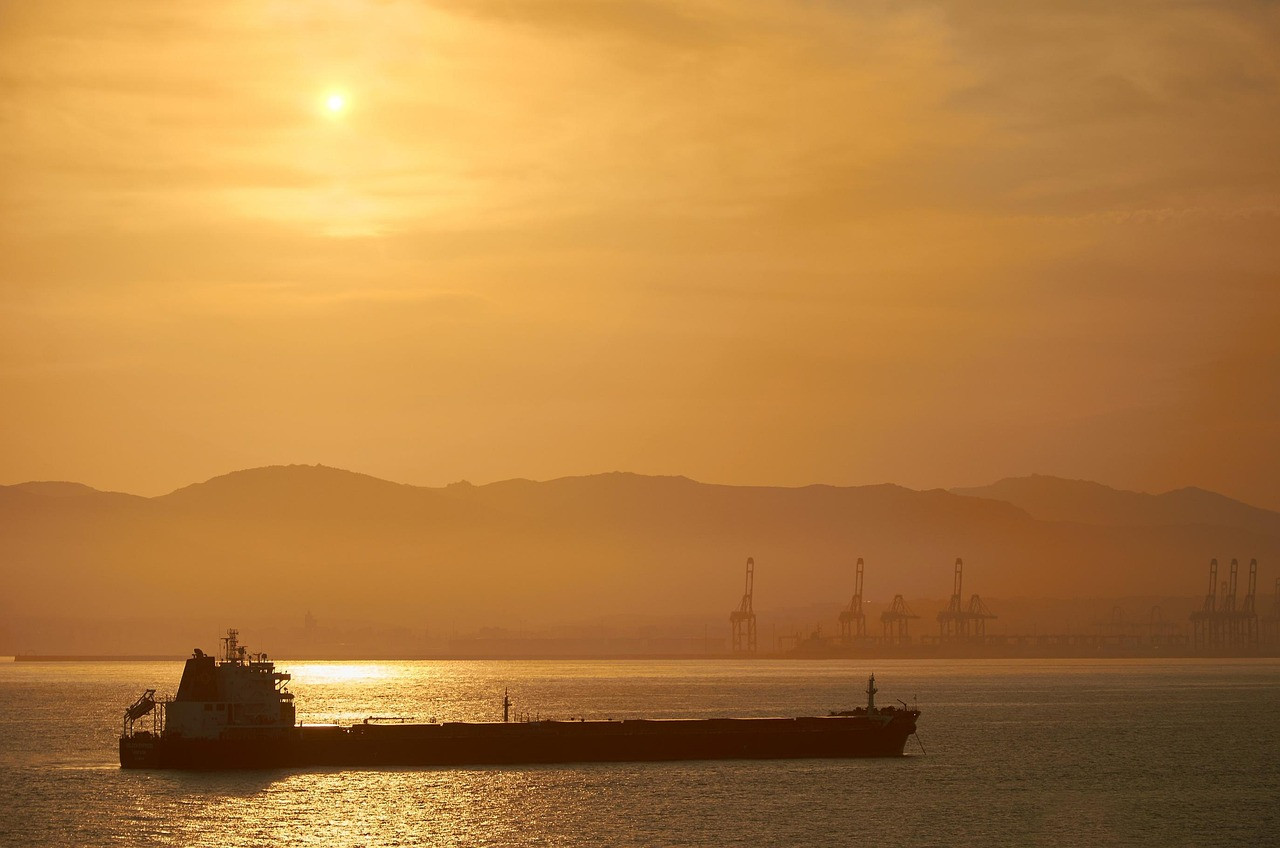
Representative image: Sekau67 / Pixabay
About 1 million barrels of Venezuelan crude, the first under the US-backed NABEP deal, reached Corpus Christi, Texas, on October 27, 2026, for sale to Exxon and Citgo.
What Happened
The first shipment of Venezuelan crude oil under a deal between the United States government and North American Blue Energy Partners (NABEP), a privately held oil company operating in Venezuela, arrived at Corpus Christi, Texas, on Tuesday, October 27, 2026. NABEP said it supplied about 1 million barrels, carried on two tankers. A White House official said the US government would sell the oil to refineries run by Exxon Mobil and Citgo. President Donald Trump visited the Corpus Christi port the same day.
Key Facts
- Cargo: about 1 million barrels of Venezuelan crude, on two tankers, the first under the deal.
- Arrival: Corpus Christi, Texas, on October 27, 2026.
- Buyers: the US government plans to sell it to Exxon Mobil and Citgo refineries, a White House official said.
- Price: accounts differ; the White House said the government received the oil at no cost, while a US newspaper reported a discounted price of about $30 a barrel.
- The deal, announced August 31, 2026: the Pentagon's Office of Strategic Capital holds a 35% stake in NABEP's parent company.
- Oil rights: Venezuela's interim government gave NABEP 100-year concessions over 17 oil fields said to hold about 65 billion barrels, roughly a fifth of the country's proven reserves.
- US purchase rights: the State Department can buy 20% of output at production cost and has first refusal on the rest.
- NABEP's investment pledge: up to $100 billion in new infrastructure.
Why It Matters
Venezuela's proven oil reserves are vast: the 17 fields in this deal alone are said to hold about a fifth of them. The NABEP deal is an unusual arrangement. Rather than a normal commercial contract, it gives a US government body a direct ownership stake in a private company that holds long-term rights to a large part of another country's oil. According to the White House, the United States also has a veto over appointments to NABEP's board, and most board members must be US citizens, while NABEP keeps day-to-day control of operations.
The first cargo turns the deal from paper into physical oil. NABEP's chief executive said the crude took just over a week to reach Texas, compared with more than a month for oil shipped from the Middle East, and said thousands of similar shipments would follow.
The deal is politically charged. It comes days before the US midterm elections on November 3, and the same week President Trump floated, at a rally in Texas, the idea of Venezuela becoming the 51st US state. Energy analysts at Columbia University's Center on Global Energy Policy have argued that the deal may reduce risk for NABEP and its owners without reducing the risks facing Venezuela itself, and have raised questions about the company's transparency. NABEP is majority-owned by Venezuelan businessman Alejandro Betancourt. Reports say the deal could face scrutiny from the US Congress if Democrats win control of the House of Representatives.
For oil-importing countries, including India, the significance is wider. More Venezuelan crude flowing to the US could change who buys Venezuela's oil and at what price, since the US now has a guaranteed share and first right to buy the rest. That could reduce the volumes available to other buyers over time.
Impact
Short-term: Exxon Mobil and Citgo refineries in Texas will process the first barrels. Questions over the price, and whether the US government paid anything, are likely to continue during the election campaign.
Long-term: If NABEP raises output as promised, Venezuela could again become a major supplier to the US, with Washington holding unusual influence over a large part of its oil sector. Changes in US politics after the midterms could test the arrangement.
Who is affected: Venezuela and its interim government; NABEP and its investors; US refiners and taxpayers; and oil buyers worldwide who compete for Venezuelan crude.
Key Takeaway
The first 1 million barrels under the US-NABEP deal have reached Texas, turning an unusual US government stake in Venezuelan oil into real supply.
Questions and Answers
What is the US-NABEP Venezuela oil deal?
Announced on August 31, 2026, it gives the Pentagon's Office of Strategic Capital a 35% stake in the parent company of NABEP, which holds 100-year concessions over 17 Venezuelan oil fields. The US State Department can buy 20% of output at production cost and has first refusal on the rest.
When did the first Venezuelan oil arrive under the deal?
About 1 million barrels arrived at Corpus Christi, Texas, on October 27, 2026, on two tankers, according to NABEP and the White House.
Who will buy the Venezuelan oil?
A White House official said the US government plans to sell it to Exxon Mobil and Citgo refineries.
Did the US pay for the Venezuelan oil?
Accounts differ. The White House said the government received it at no cost, while a US newspaper reported a discounted purchase price of about $30 a barrel.
Disclaimer: Prepared by the Peepals newsroom from publicly available sources with AI assistance. Information is accurate to the best of our knowledge at the time of publication and may change. Images may be representative. Not professional advice. Report an error via our contact page.
By Rohan Saluja, Geopolitics EditorCovers Geopolitics and more for Peepals Global. All stories by Rohan Saluja
Get the day's stories in your inbox
Peepals Weekly: the week decoded, free. One email a week, unsubscribe in one click.
Rohan Saluja is a pen name of the Peepals Global Editorial Team, which researches, fact-checks and publishes every story. The portrait is an illustration.