
Bahamas: King Charles cites slavery's 'great suffering' but makes no apology
 By Rohan SalujaGeopolitics Editor, Peepals Global
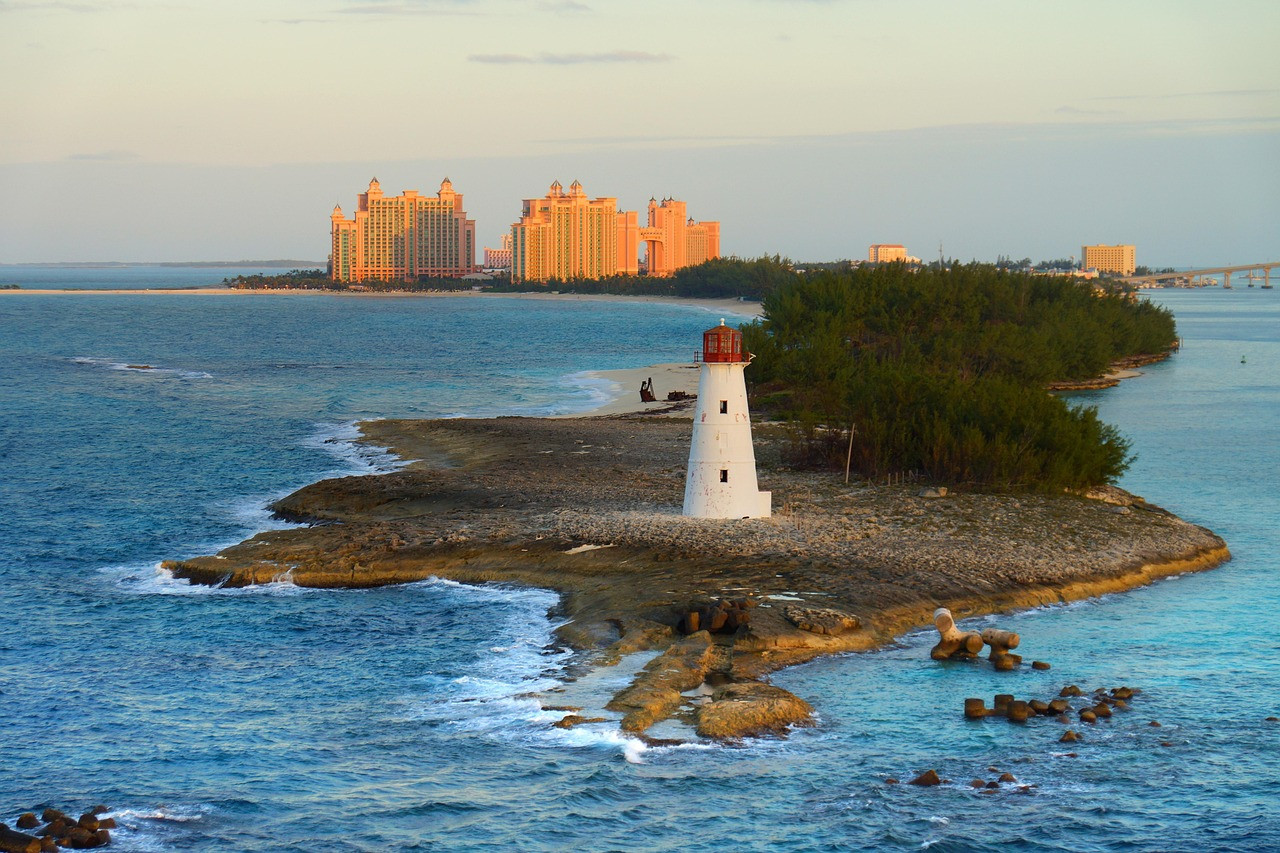
Representative image: rhae / Pixabay
Opening his Caribbean tour in the Bahamas on October 27, 2026, King Charles spoke of 'the great suffering of the past' but did not apologise for slavery.
What Happened
King Charles III began a nine-day tour of the Caribbean in Nassau, the capital of the Bahamas, on Tuesday, October 27, 2026, and spoke of "the great suffering of the past" as calls grew for Britain to apologise for slavery. Addressing a youth rally and exhibition, he said some of the best of Bahamian culture had emerged from hardship. He did not offer an apology. The Bahamas National Reparations Committee said his words fell short of what justice requires, which it described as a full and formal apology. The tour, which runs until November 4, also takes in Guyana and Antigua and Barbuda, where the King will attend the Commonwealth Heads of Government Meeting (CHOGM).
Key Facts
- Date and place: October 27, 2026, at The Future Bahamas Youth Rally and Exhibition in Nassau.
- Tour: nine days, October 27 to November 4, covering the Bahamas, Guyana, and Antigua and Barbuda, according to Buckingham Palace as reported.
- The King acknowledged "the great suffering of the past" but did not apologise for Britain's role in the transatlantic slave trade.
- Protesters carried placards reading "pay what you owe us", reflecting demands for reparations.
- The Bahamas National Reparations Committee called his comments short of "a full and formal apology".
- Commonwealth Secretary-General Shirley Botchwey said it was important to determine what form reparations should take.
- CARICOM, the grouping of Caribbean states, had earlier agreed that reparations should have a prominent place at CHOGM 2026.
- CHOGM is the summit of the 56-nation Commonwealth, held every two years; Queen Camilla joins the King for the Antigua leg.
Why It Matters
The visit puts one of the hardest questions in the Commonwealth's history at the centre of its biggest meeting. Millions of Africans were taken by force to Caribbean plantations, and many Caribbean governments argue that the countries and institutions that profited, including Britain and its crown, owe both an apology and some form of repair. "Reparations" can mean direct payments, but campaigners also speak of debt relief, investment in health and education, and the return of cultural objects.
The King has spoken of personal sorrow over slavery on earlier visits while stopping short of a formal apology. Palace aides described the King's approach on this trip as part of a long-standing effort to face the most shameful parts of the past, and the palace has said the tour is also meant to look forward, meet young people and focus on climate change, a serious threat to low-lying island states.
The setting raises the stakes. CARICOM members have pushed for reparations to feature prominently at the Antigua summit, and the Commonwealth Secretary-General's comment that the form of reparations will "emerge eventually" suggests the subject will be discussed formally rather than set aside. How the summit handles it will shape relations between Britain and Caribbean states.
For India, a Commonwealth member, the summit is a meeting with 55 other countries, many of them small island and developing states. The reports on the tour did not say who will represent India at the summit.
Impact
Short-term: Reparations and the question of an apology are likely to dominate coverage of the tour's next stops in Guyana and Antigua and Barbuda, and to be raised at CHOGM itself.
Long-term: A formal Commonwealth process on reparations, if agreed, could change how Britain and former colonies discuss historical wrongs.
Who is affected: Caribbean governments and citizens, the descendants of enslaved people, the British monarchy and government, and the 56 member states of the Commonwealth, including India.
Key Takeaway
In the Bahamas on October 27, 2026, King Charles acknowledged "the great suffering of the past" but did not apologise for slavery, setting up reparations as a key issue for the Commonwealth summit in Antigua and Barbuda.
Questions and Answers
What did King Charles say in the Bahamas?
Speaking at a youth rally in Nassau on October 27, 2026, he referred to "the great suffering of the past" and said some of the best of Bahamian culture had emerged from hardship. He did not apologise for slavery.
Why are people asking for a slavery apology?
Caribbean campaigners and governments say Britain and its monarchy profited from the transatlantic slave trade and plantation economy, and want a formal apology and reparations. The Bahamas National Reparations Committee said the King's words fell short of that.
Which countries are on the King's Caribbean tour?
The Bahamas, Guyana, and Antigua and Barbuda, over nine days from October 27 to November 4, 2026. In Antigua and Barbuda he attends the Commonwealth Heads of Government Meeting.
What is CHOGM?
The Commonwealth Heads of Government Meeting is the summit of the 56 Commonwealth countries, held every two years. CARICOM leaders want reparations to have a prominent place on its 2026 agenda.
Disclaimer: Prepared by the Peepals newsroom from publicly available sources with AI assistance. Information is accurate to the best of our knowledge at the time of publication and may change. Images may be representative. Not professional advice. Report an error via our contact page.
By Rohan Saluja, Geopolitics EditorCovers Geopolitics and more for Peepals Global. All stories by Rohan Saluja
Abhishek Sharma's 35-ball century seals India's T20I series in New Zealand
Jasper Talbot, Hannah Chinn to play Harry's parents in HBO series
Get the day's stories in your inbox
Peepals Weekly: the week decoded, free. One email a week, unsubscribe in one click.
Rohan Saluja is a pen name of the Peepals Global Editorial Team, which researches, fact-checks and publishes every story. The portrait is an illustration.