
Iran cuts Hormuz reopening offer to two days in Qatar-mediated talks
 By Rohan SalujaGeopolitics Editor, Peepals Global
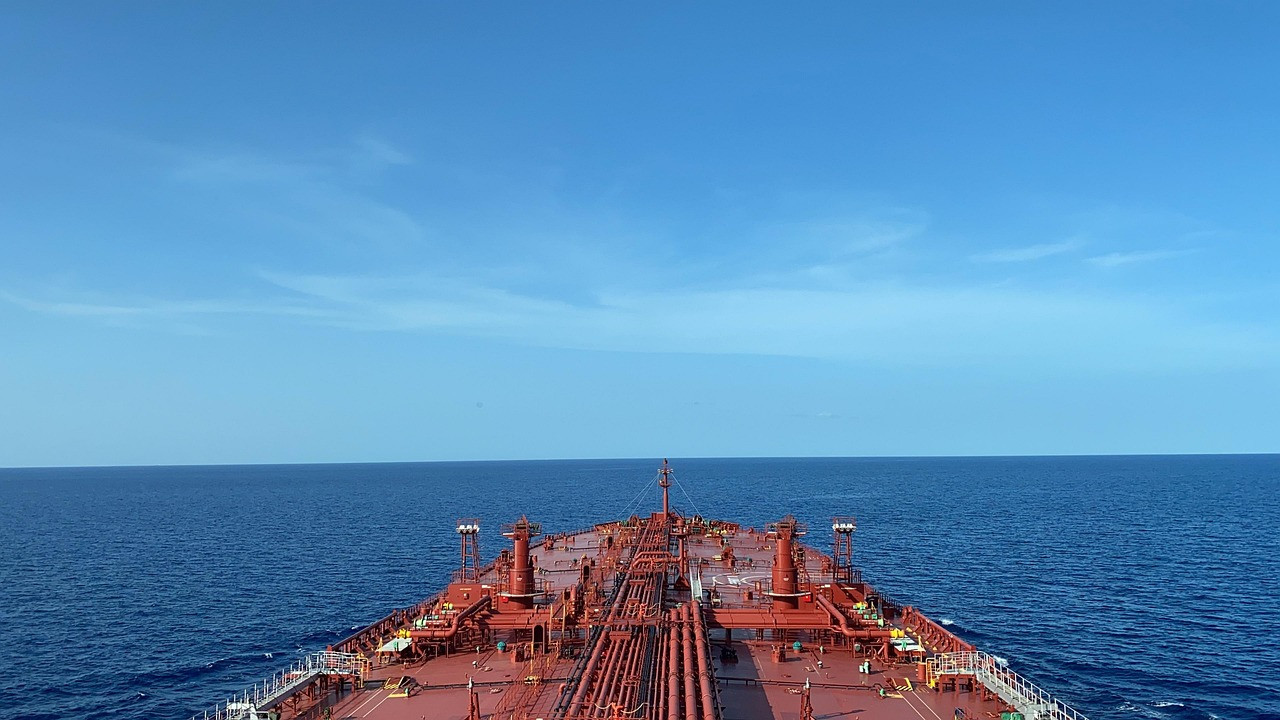
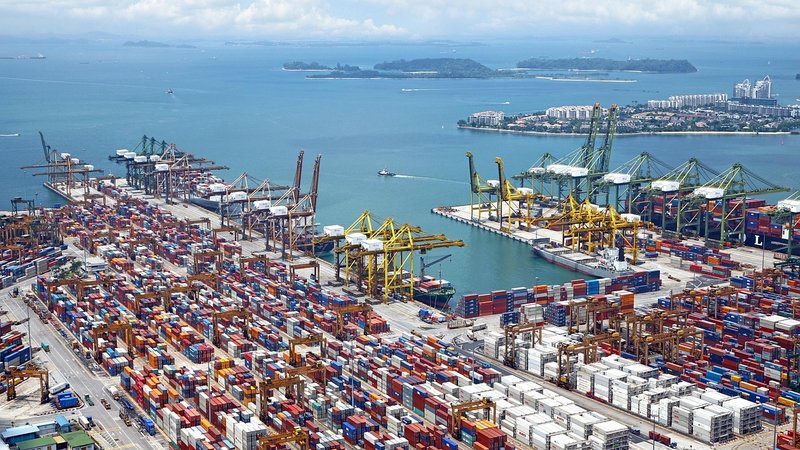
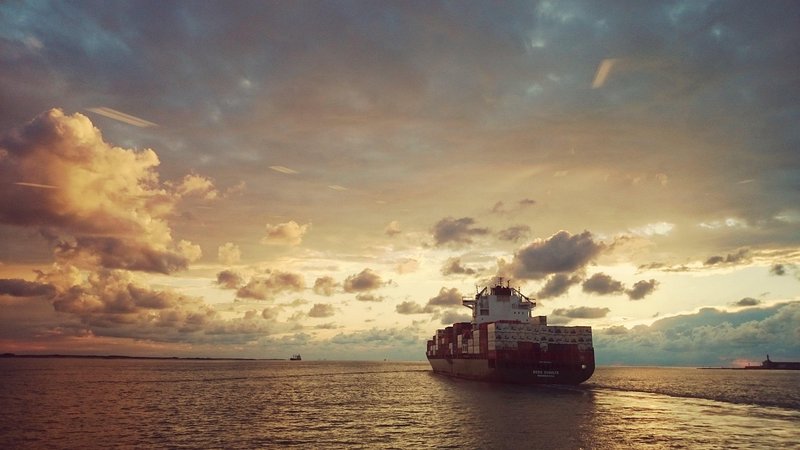
Representative image: angad305 / Pixabay
Iran's foreign minister said on 1 November 2026 that a plan from Doha talks would reopen the Strait of Hormuz within two days if the US meets Tehran's conditions; no deal has been reached.
What Happened
Iran's foreign minister Abbas Araghchi said on Sunday, 1 November 2026, after a third straight day of talks with Qatari mediators in Doha, that the two sides had worked out a plan under which the Strait of Hormuz would reopen within two days if the United States meets Tehran's conditions. Under the plan, Washington would take a set of steps on the first day and the strait would reopen on the second. Araghchi said no final result had been reached, that the outcome depends on the US response, and that there had been no direct meeting with an American delegation.
Key Facts
- The two-day plan is a shortened version of Iran's earlier offer to reopen the strait within seven days; Qatar had suggested five days, and the sides settled on two, Araghchi said.
- Iran's conditions include lifting recently imposed sanctions, restoring oil waivers, releasing frozen funds including money held in Qatar, a reduced US military presence in the region, and recognition of shipping routes designated by Iran and Oman.
- The talks in Doha are indirect: Qatar carries messages between the two sides.
- US Secretary of State Marco Rubio said the Qatar-led talks were continuing but that he knew of no timeframe.
- President Donald Trump has said the US will not launch new attacks on Iran before the 3 November midterm elections, without ruling out action afterwards.
- A report that Qatar had handed Iran a new draft deal was denied by a senior Iranian official.
Why It Matters
The Strait of Hormuz, the narrow waterway between Iran and Oman, is one of the world's most important routes for oil and gas. Shipping through it has been heavily disrupted during the US-Iran war, pushing up oil prices and freight and insurance costs worldwide. Any credible plan to reopen it matters to every major oil importer.
For India, the stakes are direct. A large part of India's crude oil and liquefied petroleum gas imports normally comes through Hormuz from Gulf suppliers. High crude prices feed into India's import bill, the rupee and fuel costs at home; the 1 November increase in commercial LPG and jet fuel prices showed how quickly the pressure reaches Indian businesses. Oil prices slipped more than 1% as traders weighed the talks, according to market reports.
The diplomacy is still fragile. Iran is offering a fast reopening, but only in return for large concessions that Washington has so far not accepted, such as sanctions relief and a smaller US military footprint. The US, for its part, says the strait is open to traffic. Iranian officials have spoken of possible direct talks in Qatar or Turkey as soon as next week, but only if Tehran's conditions are met. Meanwhile, Iran's Supreme Leader has ordered the armed forces to be ready to respond to any attack, and Tehran has warned that Gulf data centres and AI facilities could be targets if fighting resumes.
The timing adds risk. With the US midterm elections on 3 November, attention is on what Washington does once the vote is over. Earlier, the US warned Gulf states that short, intense strikes on Iran were possible after the elections.
| Offer | Reopening period | Status |
|---|---|---|
| Iran's earlier offer | Within 7 days | Stood if the US lifted its blockade |
| Qatari suggestion | 5 days | Shortened in talks |
| Current Doha plan | 2 days | No agreement; depends on US response |
Impact
Short-term: Oil markets will react to every signal from Doha and Washington. If the plan moves forward, crude prices and shipping insurance costs could ease; if talks stall after the midterms, the risk of renewed strikes rises.
Long-term: The terms on the table, including recognition of Iranian and Omani shipping routes, could change how the strait is managed after the war, with consequences for every country whose energy passes through it.
Who is affected: Oil-importing countries including India, China, Japan and South Korea; Gulf exporters; shipping and insurance companies; and Indian households and businesses through fuel and LPG prices.
Key Takeaway
Iran has shortened its offer to reopen Hormuz to two days, but only in exchange for US concessions that are not yet agreed, leaving the outcome in Washington's hands after the midterms.
Questions and Answers
What is Iran's two-day plan for the Strait of Hormuz?
Foreign Minister Abbas Araghchi said on 1 November 2026 that, under a plan discussed with Qatari mediators in Doha, the US would carry out agreed steps on day one and Iran would reopen the strait on day two. It is a proposal, not an agreed deal.
What does Iran want from the US in return?
Iran's conditions include lifting recent sanctions, restoring oil waivers, releasing frozen funds such as money held in Qatar, a smaller US military presence in the region, and recognition of shipping routes designated by Iran and Oman.
Are Iran and the US talking directly?
No. Araghchi said there had been no meeting with an American delegation. Qatar is passing messages between the two sides, and Iran says direct talks would happen only if its conditions are met.
Why does the Hormuz plan matter for India?
Much of India's crude oil and LPG normally comes through the strait from the Gulf. Reopening it could ease oil prices and supply worries, while a breakdown in talks could keep fuel and gas costs high.
Disclaimer: Prepared by the Peepals newsroom from publicly available sources with AI assistance. Information is accurate to the best of our knowledge at the time of publication and may change. Images may be representative. Not professional advice. Report an error via our contact page.
By Rohan Saluja, Geopolitics EditorCovers Geopolitics and more for Peepals Global. All stories by Rohan Saluja
France's youth-led protests draw 320,000 for third weekend; 565 arrested
Chip start-up Powerlattice raises $86 million to cut AI processors' power use
Get the day's stories in your inbox
Peepals Weekly: the week decoded, free. One email a week, unsubscribe in one click.
Rohan Saluja is a pen name of the Peepals Global Editorial Team, which researches, fact-checks and publishes every story. The portrait is an illustration.