
France's youth-led protests draw 320,000 for third weekend; 565 arrested
 By Rohan SalujaGeopolitics Editor, Peepals Global
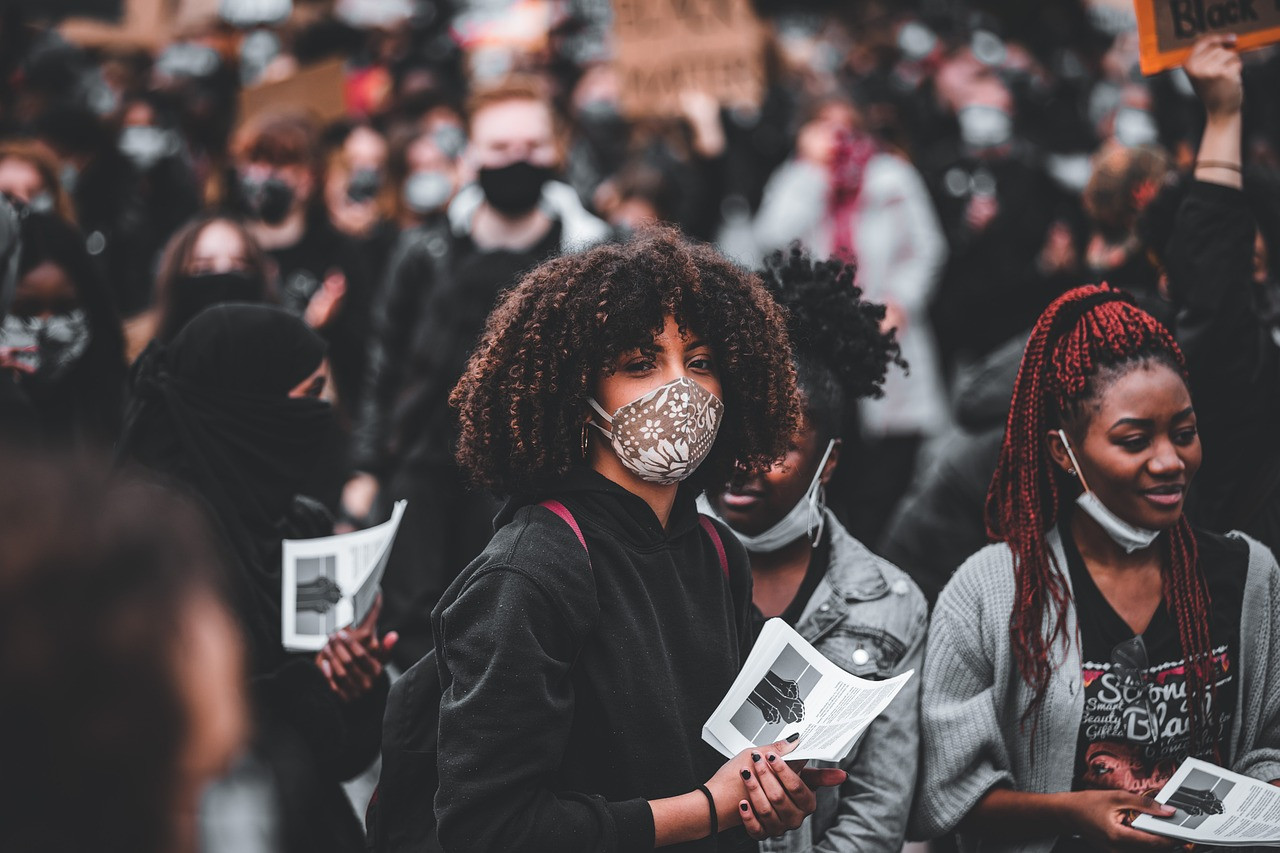
Representative image: justifotka / Pixabay
About 320,000 people marched across France on 31 October 2026 in a third weekend of youth-led protests over living costs and schools, with 565 arrests and protests in other European countries.
What Happened
About 320,000 people took part in protests across France on Saturday, 31 October 2026, according to the authorities, in the third weekend in a row of demonstrations led by young people over the cost of living, fuel prices and the state of schools. Around 70,000 marched in Paris, where police moved the main march away from the city centre. Youth organisations put the national turnout at nearly half a million, including 200,000 in the capital. Police arrested 565 people nationwide, and similar youth-led protests took place in Germany, Italy, Albania and Spain.
Key Facts
- Turnout: about 320,000 across France, including 70,000 in Paris, according to the authorities; organisers said close to 500,000, including 200,000 in Paris.
- Arrests: 565 people across the country, according to reports of official figures.
- Injuries: four police officers and one gendarme were hurt in Paris, three of them burned by Molotov cocktails.
- Police fired tear gas at protesters in Paris and Lyon; groups of masked people threw paving stones at officers.
- The protests began with frustrated high-school students and have broadened into anger over living costs and education.
- The movement has spread: protests were also reported in Germany, Italy, Albania and Spain.
- An earlier round on 17 October drew more than 500,000 people, according to government estimates, and was marked by some of the worst rioting in France in years.
- Student groups had earlier rejected the government's education package and called a strike for 5 November; reports say a broader general strike is being prepared.
Why It Matters
France has a long history of street protest, but this wave is unusual because of who is leading it. It started with secondary-school students angry about their schools, and has broadened into protest over rising prices and expensive fuel. That the protests have now lasted three weekends, and have been echoed in several other European countries, shows that the anger is not only French.
For the French government, the challenge is to calm the streets without appearing to give in to violence. It offered an education package, which student groups rejected, and the 5 November strike call keeps up the pressure. The authorities' decision to move the main Paris march away from government buildings and tourist sites shows how worried they are about unrest in the capital.
The European spread matters for the wider region. Fuel costs have risen this year as the war involving Iran disrupted oil supplies, and fuel prices are one of the protesters' main complaints. Young people, who often rent, commute and earn entry-level wages, feel those costs sharply. If protests grow in Germany, Italy and Spain, governments across the European Union may face pressure to spend more on support measures at a time when budgets are already stretched.
For India, the protests are relevant mainly as a sign of how the global rise in fuel and living costs is affecting politics in major economies that are important trading partners. Indian students and travellers in France should follow local advice on protest days, when transport and city-centre access can be disrupted.
| Date | Event |
|---|---|
| 17 October | More than 500,000 protest, according to government estimates; serious rioting in Paris |
| 31 October | Third weekend: about 320,000 march, 565 arrests |
| 5 November | Strike called by student groups |
Impact
Short-term: More protests and the 5 November strike are likely to disrupt schools, transport and city centres in France. Police will remain on high alert in Paris and Lyon.
Long-term: The movement could push European governments to rethink support for young people on housing, transport and education costs. It may also shape the political mood ahead of future elections in several countries.
Who is affected: Students and young workers in France and other European countries; schools and universities; businesses in city centres; police and emergency services; and visitors, including Indian students and tourists.
Key Takeaway
France's youth-led protests over living costs and schools drew about 320,000 people on their third weekend and are spreading to other European countries, with a student strike called for 5 November.
Questions and Answers
Why are people protesting in France?
The protests, started by high-school students, are about the cost of living, rising fuel prices and the state of schools. They have taken place on three consecutive weekends, most recently on 31 October 2026.
How many people joined the French protests on 31 October 2026?
The authorities counted about 320,000 people nationwide, including 70,000 in Paris. Youth organisations said nearly 500,000 took part, including 200,000 in Paris.
Were there arrests or violence?
Yes. Police arrested 565 people across France. Most of the marches were peaceful, but there were clashes in Paris and Lyon, and five members of the security forces were injured in Paris.
Are the protests spreading beyond France?
Yes. Youth-led protests were also reported in Germany, Italy, Albania and Spain. Student groups in France have called a strike for 5 November.
Disclaimer: Prepared by the Peepals newsroom from publicly available sources with AI assistance. Information is accurate to the best of our knowledge at the time of publication and may change. Images may be representative. Not professional advice. Report an error via our contact page.
By Rohan Saluja, Geopolitics EditorCovers Geopolitics and more for Peepals Global. All stories by Rohan Saluja
Nagoshi Studio dissolved, leaving Yakuza creator's Gang of Dragon in limbo
Iran cuts Hormuz reopening offer to two days in Qatar-mediated talks
Get the day's stories in your inbox
Peepals Weekly: the week decoded, free. One email a week, unsubscribe in one click.
Rohan Saluja is a pen name of the Peepals Global Editorial Team, which researches, fact-checks and publishes every story. The portrait is an illustration.