
NZ election 2026: 300,000 special votes to decide Luxon's razor-thin edge
 By Rohan SalujaGeopolitics Editor, Peepals Global
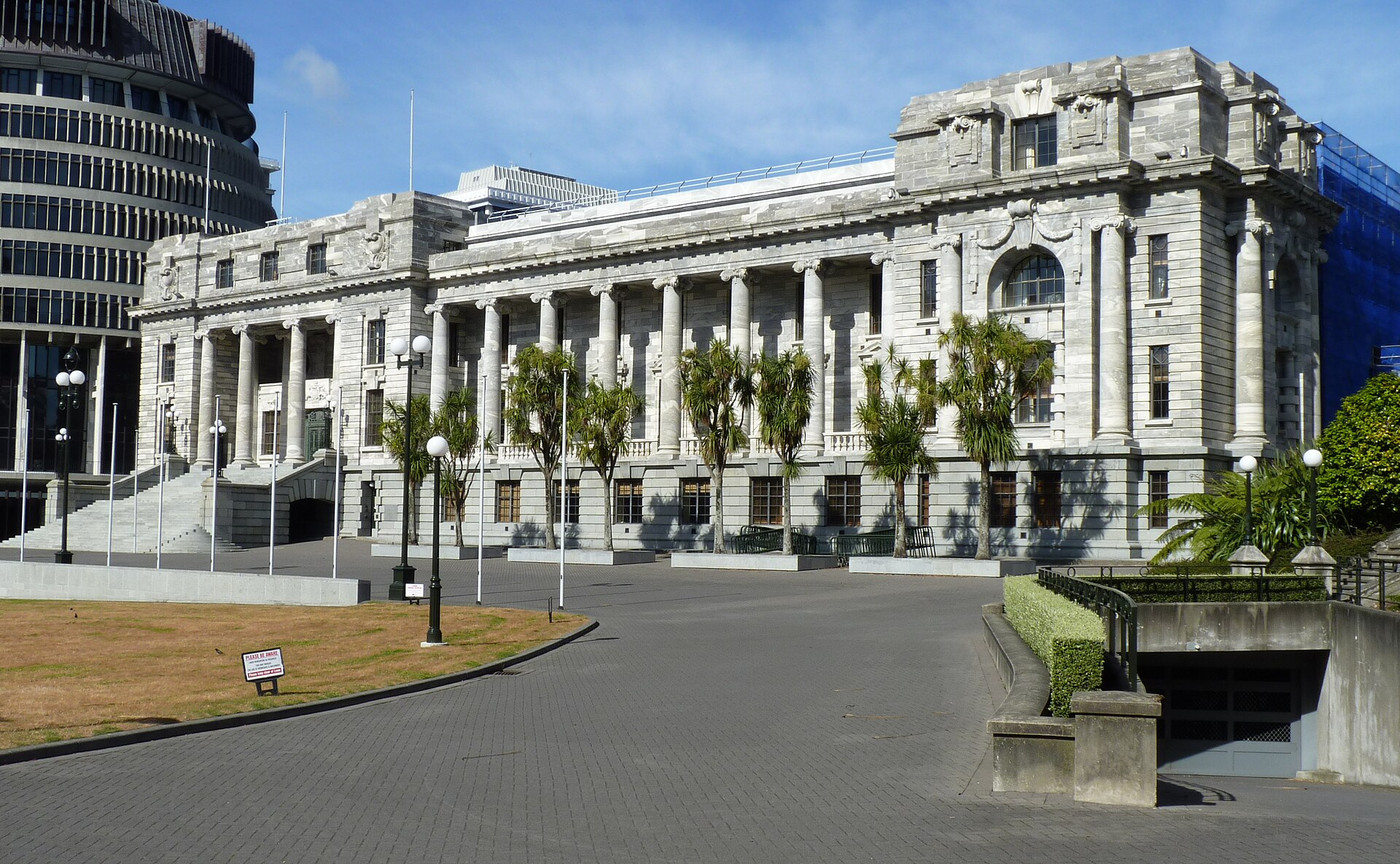
File photo: Michal Klajban (CC BY-SA 4.0), via Wikimedia Commons
New Zealand's 7 November 2026 election ended with National and Labour level near 29%; about 300,000 special votes decide the final result on 27 November.
What Happened
New Zealand's general election on Saturday, 7 November 2026 ended without a settled result. On election-night figures, Prime Minister Christopher Luxon's National Party and Chris Hipkins's Labour Party finished almost level, each with just over 29% of the party vote, and the governing coalition of National, ACT and NZ First appeared to hold a majority of only one to three seats, depending on the tally. About 300,000 special votes are still to be counted. The Electoral Commission will announce the official result on Friday, 27 November, and the government stays in caretaker mode until then.
Key Facts
- Election day: Saturday, 7 November 2026.
- Party vote on the night: National and Labour each just over 29%; one tally had National on 29.3% and Labour on 29.27%, while RNZ's count showed Labour marginally ahead.
- Greens: about 13.4% on the night, reported as their highest share under the mixed-member proportional system.
- NZ First: close to 10% on the night, according to one count.
- Opportunity: entered Parliament for the first time.
- Special votes still to count: about 300,000.
- Official result: Friday, 27 November 2026; Luxon said serious negotiations would follow it.
Why It Matters
New Zealand uses mixed-member proportional representation, usually called MMP, in which a party's share of the nationwide party vote largely decides how many seats it gets. That makes a tight count matter. When one party wins more electorate seats than its party vote would give it, Parliament grows by an extra "overhang" seat, and reports on the night said the overhang this time could decide which bloc governs. Luxon called it "an MMP special". If ACT or NZ First slip as the remaining votes are counted, analysts said, a list seat could move from the right-leaning bloc to the left.
Special votes are the reason no one could call it. They include votes cast by New Zealanders overseas, people who enrolled late and voters outside their own electorate. They are counted over the following weeks, and they can move the final shares of the party vote by enough to shift a seat or two. With the two big parties separated by a few hundredths of a percentage point on the night, the order of National and Labour could still change.
Both leaders spoke in careful terms. Luxon said the outcome was too close to call and that negotiations and compromise would be needed before a government is formed. Hipkins said no one yet knew the shape of the next government and that the next Parliament would have to work across party lines. Both sides have reason to wait: a single seat could decide whether Luxon's coalition returns without needing a new partner, or whether a left-leaning grouping can build a majority.
The smaller parties had a strong night. The Greens reached what was reported as their best result under MMP and won a large share of the Māori vote. ACT and NZ First both gained support, and Opportunity won seats for the first time.
For Indian readers, the government in Wellington sets the visa, migration and education rules that families and students follow, and those will not move until the count is final.
Peepals calculation: On one election-night tally, National's 29.3% against Labour's 29.27% is a gap of just 0.03 percentage points (29.3 - 29.27 = 0.03). In a 131-seat Parliament, a party or coalition needs 66 seats to govern (131 / 2 = 65.5, rounded up to 66), so a coalition majority of one seat means 66 or 67 seats. Our calculation from the reported figures.
| Party | Election-night share | Note |
|---|---|---|
| National | about 29.3% | leads the governing coalition |
| Labour | about 29.3% | main opposition party |
| Greens | about 13.4% | best result under MMP, as reported |
| NZ First | close to 10% | coalition partner |
Impact
Short-term: Luxon's government continues in caretaker mode, avoiding major new decisions until 27 November. Parties will hold informal talks, but formal coalition negotiations are expected to wait for the final count.
Long-term: If the coalition's majority holds, Luxon returns for a second term with very little room in Parliament, making every vote count. If special votes shift a seat to the left, New Zealand could see a change of government or a longer period of bargaining.
Who is affected: New Zealand voters and businesses waiting for policy certainty, the minor parties whose seats may decide the outcome, and communities abroad, including Indian students and families, who follow New Zealand's migration and education policies.
What to watch next: The Electoral Commission's official result on Friday, 27 November 2026, after the special votes are counted.
Key Takeaway
New Zealand's 7 November 2026 election left National and Labour level and the governing coalition with a one-to-three-seat edge, and about 300,000 special votes will settle it on 27 November.
Questions and Answers
Who won the NZ election 2026?
No winner has been confirmed. On election-night figures, National and Labour each had just over 29% of the party vote, and the governing National-ACT-NZ First coalition appeared to hold a narrow majority. The official result is due on 27 November 2026.
Why is the New Zealand election result not final?
About 300,000 special votes, including overseas and late-enrolment votes, are still to be counted. They can shift party shares enough to move a seat, which matters when the margin is one to three seats.
When will the final NZ election result be announced?
The Electoral Commission will announce the official count on Friday, 27 November 2026. The government remains in caretaker mode until then.
What is an overhang seat?
Under New Zealand's MMP system, if a party wins more electorate seats than its share of the party vote entitles it to, it keeps them and Parliament gets extra seats. This election's overhang could help decide which side governs.
Disclaimer: Prepared by the Peepals newsroom from publicly available sources with AI assistance. Information is accurate to the best of our knowledge at the time of publication and may change. Images may be representative. Not professional advice. Report an error via our contact page.
By Rohan Saluja, Geopolitics EditorCovers Geopolitics and more for Peepals Global. All stories by Rohan Saluja
CHOGM 2026 ends with goal to double Commonwealth trade by 2030
Usman Khawaja's Sabr: 'It was all of us' on 2018 sandpaper scandal
Get the day's stories in your inbox
Peepals Weekly: the week decoded, free. One email a week, unsubscribe in one click.
Rohan Saluja is a pen name of the Peepals Global Editorial Team, which researches, fact-checks and publishes every story. The portrait is an illustration.