
South Africa local elections: ANC slides to about 31%, MK party wins first council
 By Rohan SalujaGeopolitics Editor, Peepals Global
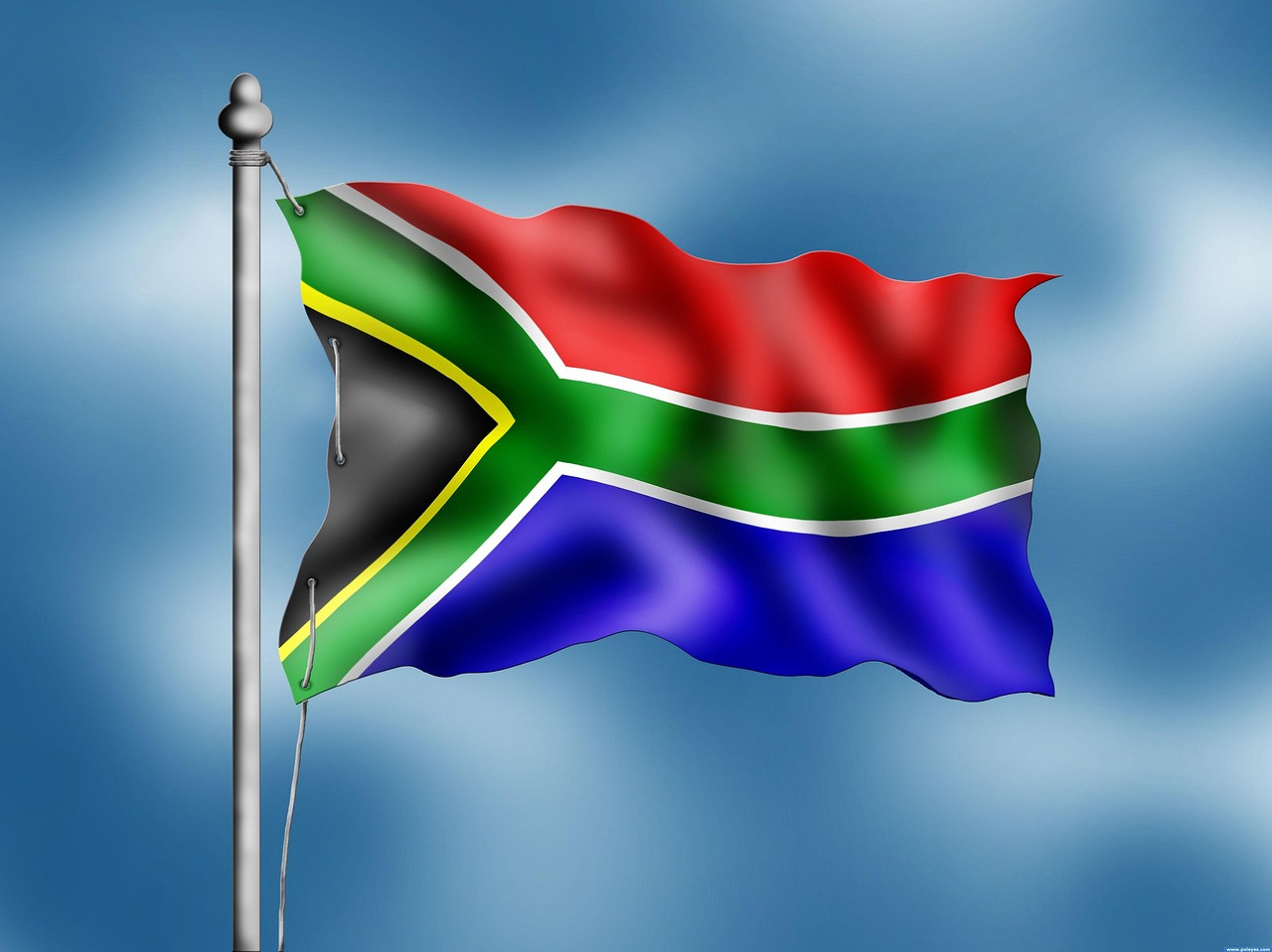
Representative image: paulbr75 / Pixabay
Provisional counts from South Africa's 4 November 2026 municipal vote put the ANC at about 31-32%, the DA second and Zuma's MK party near 9%; official results due 8 November.
What Happened
South Africa's African National Congress (ANC), the party of Nelson Mandela that has led South Africa's national government since 1994, is on course for a sharply reduced share in local elections, with provisional counts from the municipal vote of Wednesday, 4 November 2026 putting it at about 31% to 32% of the ballot. Results trackers based on Electoral Commission of South Africa (IEC) data showed the ANC at about 31.7% of the ward ballot with most voting districts counted, ahead of the Democratic Alliance (DA) at about 24%, and the uMkhonto weSizwe (MK) party of former president Jacob Zuma at about 9% in its first municipal election. A business news report described the ANC's vote share as sharply reduced, and its hold on big cities such as Johannesburg as weakened. The IEC is expected to declare the official results on Sunday, 8 November.
Key Facts
- Election day: Wednesday, 4 November 2026, for municipal councils across South Africa.
- ANC: about 31% to 32% of the vote in provisional counts, according to results trackers and a business news report.
- DA: second, at roughly 24% of the ward ballot in tracker data; it claimed early victory in Cape Town and led in Johannesburg's provisional count.
- MK party: about 9% to 10% nationally in its first municipal contest; it won outright control of Richmond Local Municipality in KwaZulu-Natal with 56% of the vote.
- Smaller parties: the Economic Freedom Fighters (EFF) at about 6% and ActionSA at about 5% in one tracker's count.
- Hung councils: with about 78% of votes counted, one tracker counted 85 councils where no party had a majority.
- Official results: due from the IEC on Sunday, 8 November 2026; all figures until then are provisional.
Why It Matters
Local councils in South Africa run water, electricity distribution, rubbish collection and roads, the services that voters have complained about most in recent years. A vote share of about a third for the ANC means the party that dominated South African politics for three decades will now have to share power in many more towns and cities. Coalition deals, rather than outright majorities, will decide who runs a large number of councils.
The results also show how the political map is splitting. The DA, which already runs Cape Town, is gaining ground in other urban areas. The MK party, formed by Jacob Zuma before the 2024 national election, has taken a large share of the ANC's former vote in KwaZulu-Natal, where one results table showed the ANC's share falling by more than 21 points. ActionSA's showing in Gauteng adds a further player to coalition talks in the economic heartland.
For India, South Africa is a partner in BRICS and the G20 and home to a large community of Indian origin, much of it in KwaZulu-Natal. Political change in its cities affects the business climate for Indian companies there and the daily life of that community, as municipal services and local governance shift into new coalition hands.
Peepals calculation: In one tracker's ward-ballot count, the ANC at 31.7% and the DA at 24.1% together hold 55.8% of the vote (31.7 + 24.1), leaving 44.2% spread across the MK party, the EFF, ActionSA and smaller parties. The ANC's lead over the DA in that count is 7.6 percentage points (31.7 − 24.1). Our calculation from the reported provisional figures.
| Party | Provisional national share (ward ballot, one tracker) |
|---|---|
| ANC | 31.7% |
| DA | 24.1% |
| MK party | 9.3% |
| EFF | About 6% |
| ActionSA | About 5% |
Impact
Short-term: Parties now start coalition talks in the councils where nobody has a majority, including several of the biggest metros. Official IEC results on 8 November will settle the exact seat counts.
Long-term: If the ANC's local losses hold, the 2029 national election could produce an even more fragmented parliament. Coalition deals at city level can take time, which raises questions about service delivery while they are negotiated.
Who is affected: South African voters and ratepayers who depend on municipal services; the ANC, DA, MK party, EFF and ActionSA; investors and businesses, including Indian companies, operating in South African cities; and the Indian-origin community in KwaZulu-Natal.
What to watch next: The IEC's declaration of official results on Sunday, 8 November 2026, and coalition talks for hung councils, including the big metros.
Key Takeaway
Provisional counts from South Africa's 4 November 2026 municipal elections put the ANC at about 31% to 32%, with the DA second and the new MK party taking about a tenth of the vote, leaving coalitions to decide control of many councils.
Questions and Answers
How did the ANC do in South Africa's 2026 local elections?
Provisional counts put the ANC at about 31% to 32% of the vote, still the largest party but well short of a majority. Official results are due from the IEC on 8 November 2026.
Who came second in South Africa's municipal elections?
The Democratic Alliance, at roughly 24% of the ward ballot in tracker data. It claimed early victory in Cape Town and led the provisional count in Johannesburg.
How did Jacob Zuma's MK party perform?
In its first municipal election, the MK party took about 9% to 10% nationally and won outright control of Richmond Local Municipality in KwaZulu-Natal with 56% of the vote.
Why do South Africa's local elections matter for India?
South Africa is a fellow member of BRICS and the G20 and has a large Indian-origin community, mostly in KwaZulu-Natal. Changes in city governments affect Indian businesses there and the services that community depends on.
Disclaimer: Prepared by the Peepals newsroom from publicly available sources with AI assistance. Information is accurate to the best of our knowledge at the time of publication and may change. Images may be representative. Not professional advice. Report an error via our contact page.
By Rohan Saluja, Geopolitics EditorCovers Geopolitics and more for Peepals Global. All stories by Rohan Saluja
CrowdStrike to buy AI security start-ups Fiddler AI, Dreadnode for reported $495 million
Khalid Jamil drops Gurpreet as India name squad for New Zealand friendlies
Get the day's stories in your inbox
Peepals Weekly: the week decoded, free. One email a week, unsubscribe in one click.
Rohan Saluja is a pen name of the Peepals Global Editorial Team, which researches, fact-checks and publishes every story. The portrait is an illustration.