
Steinmeier presses Xi on trade surplus, warns China against one-sided ties
 By Rohan SalujaGeopolitics Editor, Peepals Global
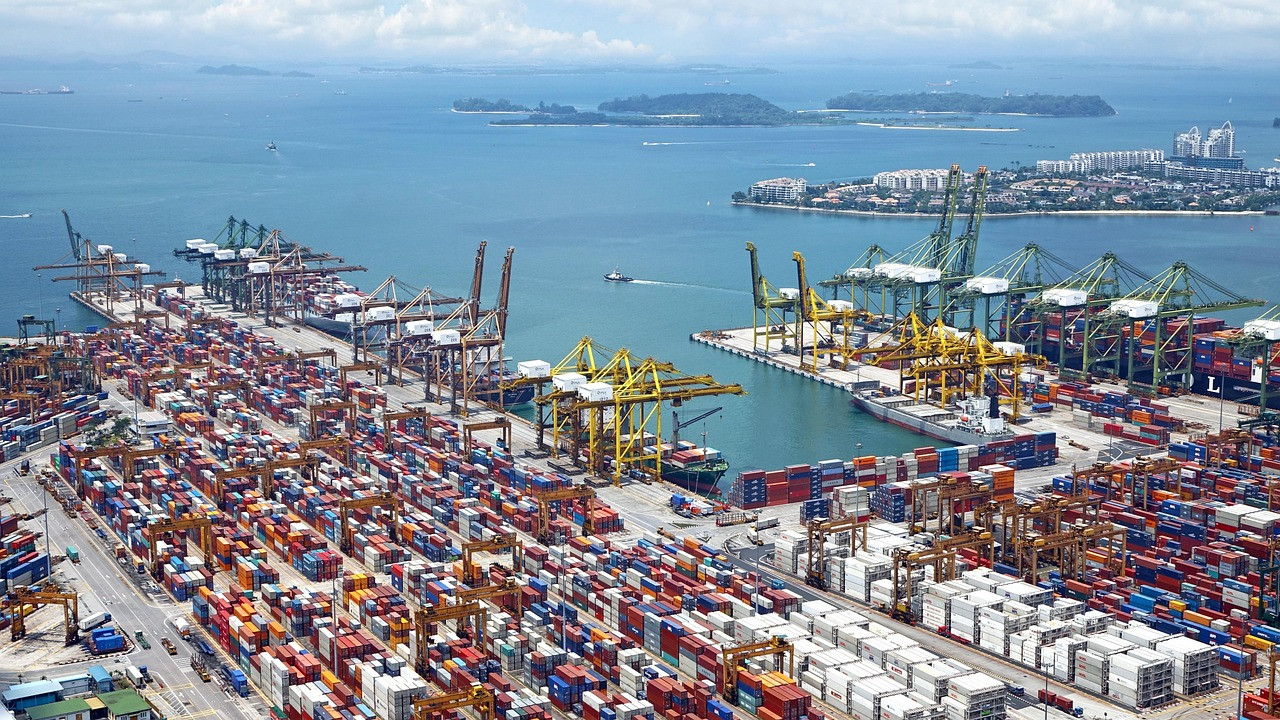
Representative image: cegoh / Pixabay
German President Frank-Walter Steinmeier urged Xi Jinping on 30 October 2026 to cut China's trade surplus with Germany, after warning against one-sided economic ties.
What Happened
German President Frank-Walter Steinmeier urged Chinese President Xi Jinping in talks in Beijing on Friday, 30 October 2026 to reduce China's large trade surplus with Germany, saying he wanted trade that brings lasting benefits to both sides. A day earlier, in a speech at Peking University, Steinmeier warned that China's drive for economic self-reliance must not leave other countries dependent on it and vulnerable. Chinese state media reported that Xi told him China is ready to work with Germany to open "a new chapter" in their all-round strategic partnership.
Key Facts
- Visit: Steinmeier's trip is described as the first by a German federal president to China in almost eight years.
- 29 October 2026: in a speech at Peking University, he said China's greater independence must not create dependence and vulnerability for others.
- His complaints: limited access for European companies to the Chinese market, large volumes of state-subsidised Chinese imports into Europe, and Beijing's controls on exports of raw materials.
- 30 October 2026: he pressed Xi to reduce Germany's trade deficit with China, which was almost 90 billion euros (about $100 billion) last year.
- Tone: he called China an important partner, Germany's largest trading partner, and said he was confident Brussels and Beijing could find solutions through dialogue.
- China's response, as reported by the state news agency Xinhua: Xi said China is ready to open a new chapter in the bilateral partnership.
Why It Matters
Germany is Europe's largest economy, and Steinmeier himself called China its largest trading partner. That relationship is now under strain. As Steinmeier put it, Europe faces large volumes of state-subsidised Chinese imports, while European firms say they still have little access to the Chinese market. Beijing's limits on exports of certain raw materials, which are vital for electronics and clean-energy technology, have added to worries about relying on a single supplier.
Steinmeier's role is mostly ceremonial, but his words carry weight because the German president speaks for the country as a whole rather than for one party. Choosing a university audience to warn against "one-sided" benefits, and then raising the trade gap directly with Xi, shows that concern about China's trade practices now runs across Germany's political system, not only among trade officials. Chinese state media struck a calmer note: the state-run Global Times presented the visit as coming at a critical moment for China-EU trade, which it said is seeking relative stability.
The message was balanced: keep trading with China, but on fairer terms and without relying on it for critical supplies. For India and other large economies that trade heavily with both Europe and China, how this relationship develops will affect where European companies choose to buy, build and invest.
| Issue | German concern | China's message |
|---|---|---|
| Trade balance | Deficit of almost 90 billion euros last year | Open a "new chapter" in partnership |
| Market access | European firms have little access | Not addressed in reports |
| Raw materials | Export controls create vulnerability | Not addressed in reports |
Impact
Short-term: The visit puts German and European trade grievances directly on Xi's desk and may feed into ongoing EU-China talks on market access and subsidies.
Long-term: If the trade gap keeps widening, pressure in Europe for tougher measures against subsidised Chinese goods is likely to grow, while companies continue to look for other suppliers of key materials.
Who is affected: German and European exporters and manufacturers, Chinese exporters, consumers who buy Chinese-made goods in Europe, and countries such as India that compete for European trade and investment.
Key Takeaway
On his first visit to China as German president in almost eight years, Steinmeier pressed Xi to shrink a trade surplus of almost 90 billion euros and warned against one-sided economic ties.
Questions and Answers
What did Steinmeier say during his China visit?
In a speech at Peking University on 29 October 2026, German President Frank-Walter Steinmeier said China's push for self-reliance must not make others dependent and vulnerable. On 30 October he urged Xi Jinping to reduce China's trade surplus with Germany.
How large is Germany's trade deficit with China?
Germany's trade deficit with China was almost 90 billion euros, about $100 billion, last year, according to reports of Steinmeier's talks with Xi.
How did China respond?
According to China's state news agency Xinhua, Xi said China is ready to work with Germany to open a new chapter in their all-round strategic partnership.
Is Germany cutting ties with China?
No. Steinmeier called China Germany's largest trading partner and said he was confident that Europe and China could solve their trade disputes through dialogue.
Disclaimer: Prepared by the Peepals newsroom from publicly available sources with AI assistance. Information is accurate to the best of our knowledge at the time of publication and may change. Images may be representative. Not professional advice. Report an error via our contact page.
By Rohan Saluja, Geopolitics EditorCovers Geopolitics and more for Peepals Global. All stories by Rohan Saluja
Putin calls Musk a 'real genius', says Russia in contact over Starlink rival
Asian Champions Trophy: India beat Japan 4-1 to reach semi-finals
Get the day's stories in your inbox
Peepals Weekly: the week decoded, free. One email a week, unsubscribe in one click.
Rohan Saluja is a pen name of the Peepals Global Editorial Team, which researches, fact-checks and publishes every story. The portrait is an illustration.