
Herbal Kumbh 2026: Uttarakhand ministers push medicinal plant farming for hills
 By Ananya RaoAyush & Wellness Correspondent, Peepals Sanskriti
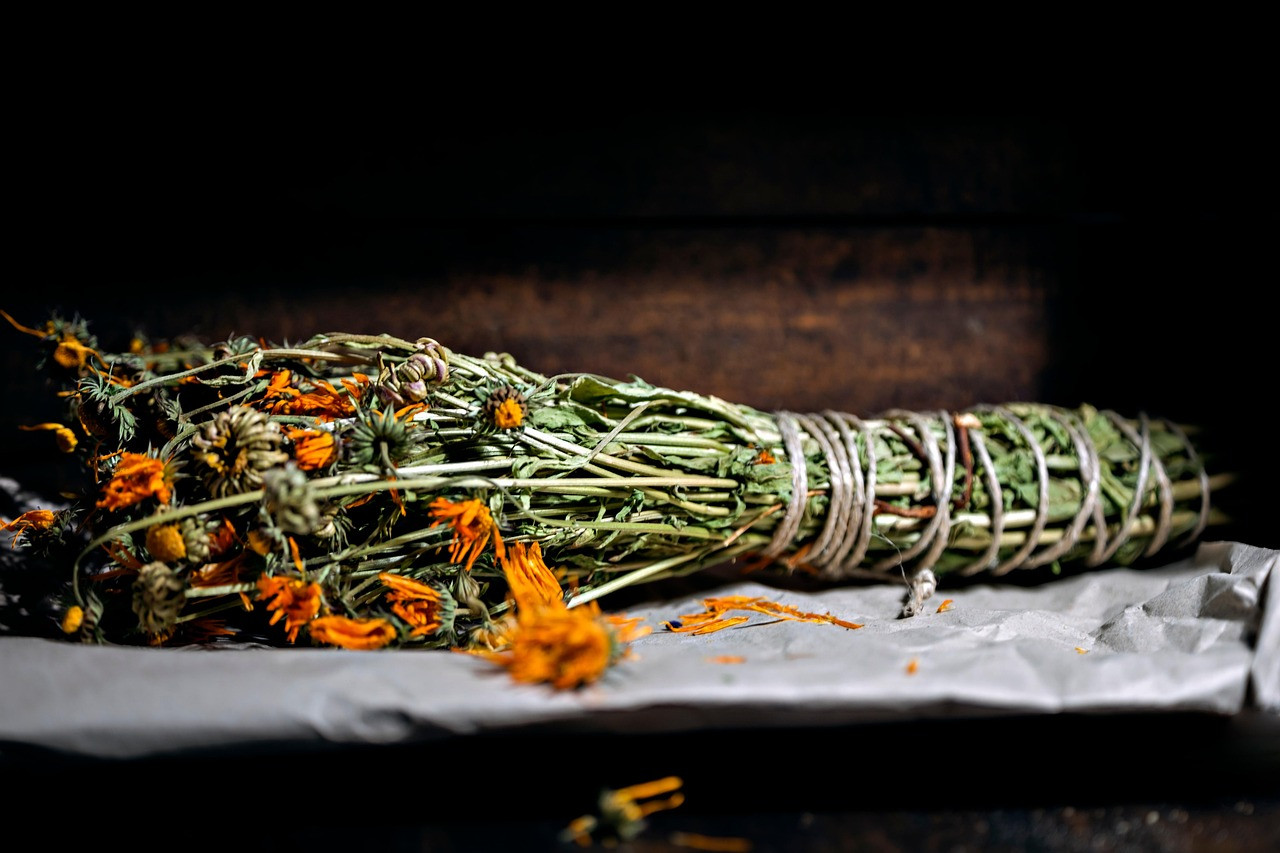
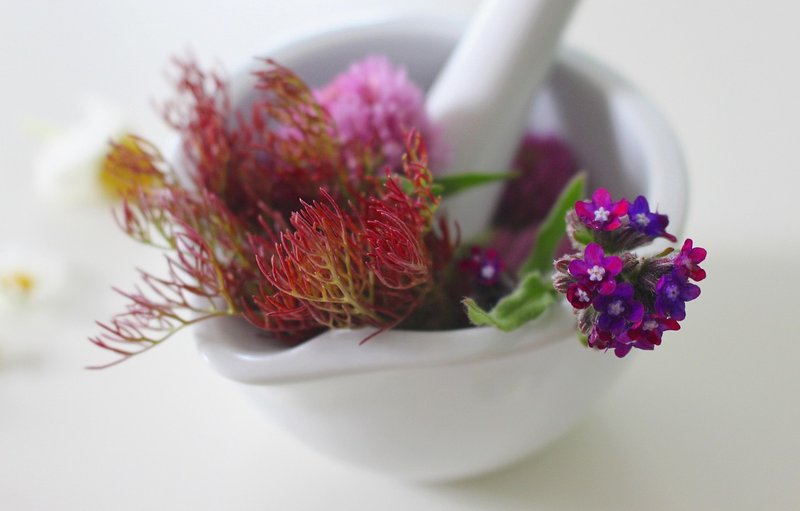
Representative image: 13741502 / Pixabay
Uttarakhand's first Herbal Kumbh ran on 4-6 November 2026 in Pauri Garhwal, where ministers pitched medicinal plant farming as hill income and a curb on migration.
What Happened
Uttarakhand's first Herbal Kumbh, held with a Jadi Buti Krishi Mela (medicinal herb farming fair) and the Dhanwantari Mahotsav, ran from Wednesday, 4 November to Friday, 6 November 2026 at Herbal World Himalaya, Shri Dhanvantari Dham, in Malagaon village of the Yamkeshwar block in Pauri Garhwal district. The event was organised with Patanjali and led by Acharya Balkrishna and Baba Ramdev. State ministers who attended said growing medicinal plants alongside traditional crops could support hill farmers and help slow migration from mountain villages.
Key Facts
- Dates and place: 4 to 6 November 2026, Shri Dhanvantari Dham, Malagaon, Yamkeshwar block, Pauri Garhwal, Uttarakhand.
- The programme combined a herbal agriculture fair, training sessions and exhibitions, with herbal product stalls and participation by farmers, self-help groups and representatives from several states, according to reports from the event.
- Agriculture Minister Ganesh Joshi said the state government is working towards making Uttarakhand a "herbal state".
- Rural Development and MSME Minister Bharat Chaudhary stressed self-employment through herbal farming and self-help groups.
- Minister Dhan Singh Rawat praised the nursery, medicinal plant cultivation and meditation centre at the site; Badri-Kedar Temple Committee chairman Hemant Dwivedi also attended.
- Four publications, including a Patanjali Kisan Diary for farmers, were released at the opening.
- According to the organisers, the complex covers about 200 acres and more than 50,000 medicinal plants have been planted there.
Why It Matters
Medicinal plants are the raw material of Ayurveda and the other Ayush systems. The ministers' message at Malagaon was economic as much as cultural: they presented herb cultivation as a second source of income that could sit beside the grains and vegetables hill families already grow, and as one answer to migration from mountain villages. Joshi also called for modern technology and new methods in farming and horticulture.
It is important to keep the claims in their place. The economic benefits described at the fair were the hopes of ministers and organisers; the reports from the event did not include independent figures on farmer incomes or migration. The planting figures for the site are the organisers' own. And a fair that promotes herbal farming says nothing on its own about whether any particular herbal product works: under the Ayush systems, that remains a question for named clinical studies and regulators, not for exhibitions.
The event also shows how private bodies are shaping the herbal economy in the state. Patanjali hosted the fair, and state ministers publicly backed its role in the "herbal state" goal. That partnership is likely to draw attention to how the state supports cultivation, buying and processing by smaller growers and self-help groups as well as large firms.
Peepals timeline: Chief Minister Pushkar Singh Dhami visited the Herbal World Himalaya site in July 2026, when its collection of rare medicinal plants was shown to him. Reports ahead of the event announced a three-day Herbal Kumbh from 4 November. It opened on Wednesday, 4 November with an inauguration ceremony, ministers spoke over the following days, and it closed on Friday, 6 November, when the organisers said they wanted to take the event to national and global prominence.
Peepals calculation: if more than 50,000 plants stand on about 200 acres, that is at least 250 plants per acre on average (50,000 ÷ 200 = 250), though the organisers did not say how much of the land is planted. Our calculation from the reported figures.
Impact
Short-term: Farmers and self-help groups who attended got direct contact with buyers, trainers and herbal product makers, and state ministers put the "herbal state" idea on record.
Long-term: If the state backs herb farming with support for seeds, training and assured buyers, more hill households could add medicinal plants to their crops. Whether that slows migration will depend on prices and market access, which the event itself did not measure.
Who is affected: Hill farmers and self-help groups in Uttarakhand, Ayush product makers, herbal traders, and people in Pauri Garhwal and nearby districts.
What to watch next: Acharya Balkrishna was reported as saying the event will become annual, with the next edition at Dhanvantari Dham from 25 to 27 October 2027; one report gave a different venue and month, so the plan is not yet settled.
Key Takeaway
Uttarakhand's first Herbal Kumbh at Malagaon in Pauri Garhwal, held on 4 to 6 November 2026, was used by state ministers to push medicinal plant farming as extra income for hill farmers and a way to slow migration.
Questions and Answers
What was the Herbal Kumbh 2026 in Uttarakhand?
It was a three-day herbal agriculture fair and festival, combined with a Jadi Buti Krishi Mela and the Dhanwantari Mahotsav, held from 4 to 6 November 2026 at Shri Dhanvantari Dham in Malagaon, Pauri Garhwal, organised with Patanjali.
Why did Uttarakhand ministers back medicinal plant farming at the event?
Agriculture Minister Ganesh Joshi said the state is working to make Uttarakhand a herbal state, and ministers said growing herbs alongside traditional crops could raise rural incomes and help curb migration from hill villages.
Is there independent evidence that herb farming raised incomes or slowed migration?
Not in the reports from the event. The benefits were described by ministers and organisers, and the site's planting figures were the organisers' own.
When is the next Herbal Kumbh?
Acharya Balkrishna was reported as saying the next one will be held at Dhanvantari Dham from 25 to 27 October 2027, but another report gave a different venue and month, so the date is not yet confirmed.
Disclaimer: Prepared by the Peepals newsroom from publicly available sources with AI assistance. Information is accurate to the best of our knowledge at the time of publication and may change. Images may be representative. Not professional advice. Report an error via our contact page.
By Ananya Rao, Ayush & Wellness CorrespondentCovers Ayush and more for Peepals Sanskriti. All stories by Ananya Rao
FSSAI recycled plastic draft: PE, PP may touch food under strict rules
Gyan Bharatam Rajasthan: 24.6 lakh manuscripts surveyed, 1.61 lakh digitised
Get the day's stories in your inbox
Peepals Weekly: the week decoded, free. One email a week, unsubscribe in one click.
Ananya Rao is a pen name of the Peepals Global Editorial Team, which researches, fact-checks and publishes every story. The portrait is an illustration.