
Jamu oversight: Indonesia's BPOM, WHO train officers in risk-based sampling
 By Ananya RaoAyush & Wellness Correspondent, Peepals Sanskriti
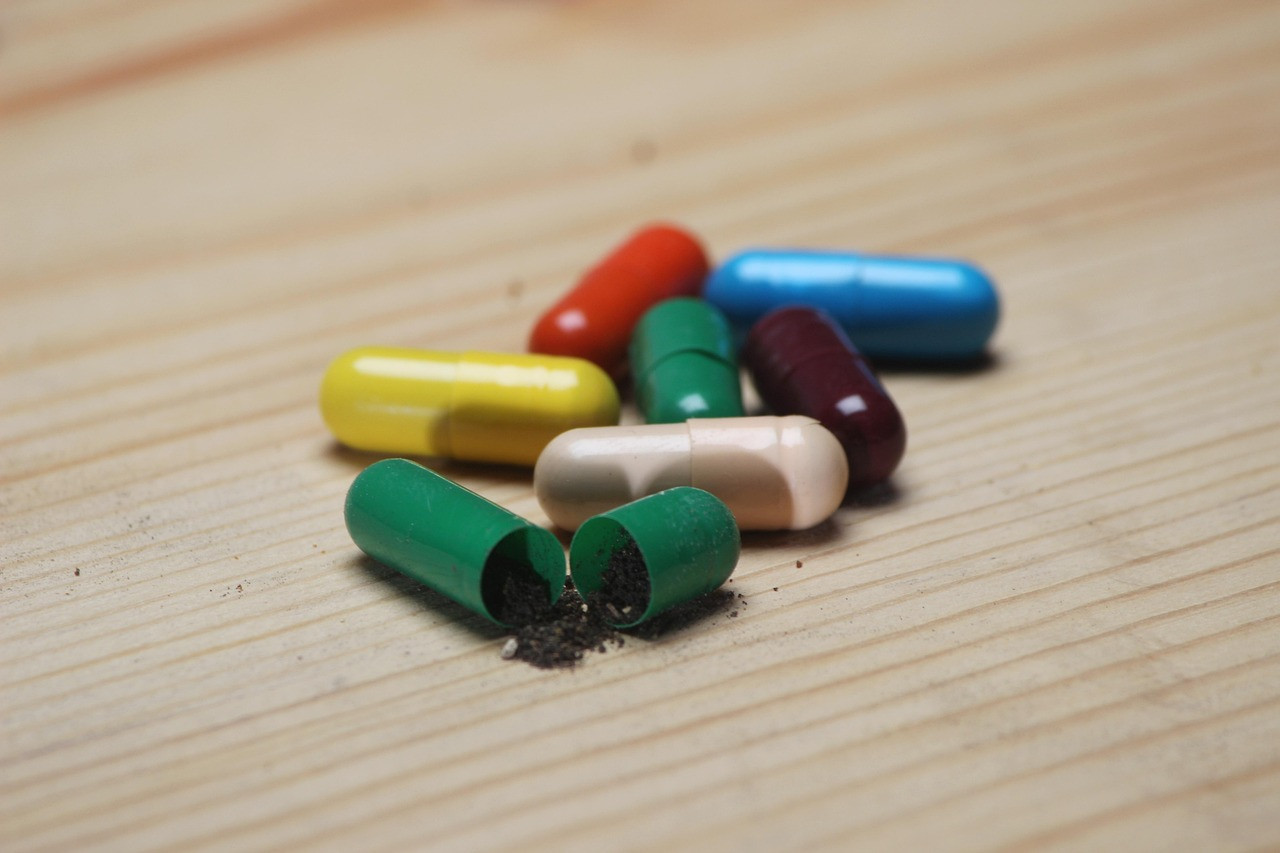
Representative image: F1Digitals / Pixabay
BPOM and WHO trained Indonesian inspectors in risk-based sampling of herbal medicines on 3 November 2026; about 39% of 27,264 permitted products have been sampled.
What Happened
Indonesia's Food and Drug Authority (BPOM) and the World Health Organization (WHO) held a capacity-building workshop on risk-based sampling for the post-market control of traditional medicines and health supplements at BPOM's office in Jakarta on Tuesday, 3 November 2026. Supervisory officers from regions across the country took part. BPOM head Taruna Ikrar said oversight of products already on the market needs a more targeted approach, with samples chosen according to each product's level of risk and the data available, rather than an attempt to test everything. He also set the safety push against the sector's economic promise, putting its potential at about Rp340 trillion against a recorded value of close to Rp6 trillion, according to Indonesian reports of the event.
Key Facts
- Event: BPOM-WHO capacity-building workshop on risk-based sampling for post-market control of traditional medicines and health supplements.
- Date and place: Tuesday, 3 November 2026, BPOM office, Jakarta.
- Products with marketing permits in Indonesia: about 27,264 traditional medicines and health supplements, according to BPOM.
- Products sampled so far: about 10,639, roughly 39%, according to BPOM figures reported from the workshop.
- Main risk named by officials: traditional medicines adulterated with chemical drugs, which they said can cause health problems and, in some cases, death.
- Economic potential cited by Taruna Ikrar: about Rp340 trillion, with a recorded value of close to Rp6 trillion.
- Participants: supervisory officers from regions across Indonesia.
Why It Matters
Jamu, Indonesia's traditional herbal medicine, is widely used and is recognised by UNESCO as part of the country's cultural heritage, Taruna Ikrar noted. That popularity is also the regulator's problem. With tens of thousands of permitted products, approval alone cannot show that every packet on sale is safe. Post-market control is the work of checking products after they are already being sold.
The workshop's subject, risk-based sampling, is a way of using limited inspection resources well. Instead of picking samples at random or trying to cover every product, inspectors can give priority to the products and sellers judged most likely to have a problem. Taruna Ikrar described this as a more strategic and evidence-based way to supervise the market.
The risk BPOM keeps returning to is adulteration. Officials at the workshop warned that some traditional medicines are secretly mixed with chemical drugs, which can harm users and has in some cases led to deaths. A buyer who chooses a herbal product because it seems natural may in fact be taking an undeclared medicine at an unknown dose.
WHO's role is technical support. A WHO national officer said the cooperation aims to strengthen BPOM's regulatory performance in line with WHO guidance, including on the post-market oversight of traditional medicines, according to the reports.
For Ayush readers, the meeting shows a pattern seen in many countries with strong herbal traditions: governments want the industry to grow and to export, and they are finding that growth depends on buyers trusting that each product is what its label says. Safety checks and market value are being discussed together, not as opposites.
Peepals calculation: if about 10,639 of the 27,264 permitted products have been sampled, about 16,625 have not (27,264 − 10,639 = 16,625), or roughly 61% (16,625 ÷ 27,264 ≈ 0.61). On Taruna Ikrar's figures, the recorded value of close to Rp6 trillion is under 2% of the Rp340 trillion potential he cited (6 ÷ 340 ≈ 0.018). Our calculation from the reported figures.
| Measure | Figure (as reported) |
|---|---|
| Traditional medicines and supplements with permits | about 27,264 |
| Products sampled | about 10,639 |
| Share sampled | roughly 39% |
| Economic potential cited by BPOM head | about Rp340 trillion |
| Recorded value cited | close to Rp6 trillion |
Impact
Short-term: Regional supervisory officers return with training in choosing which herbal products and sellers to sample first, using risk and data rather than blanket checks.
Long-term: If the approach works, more of the market's riskiest products should be tested sooner, which could make it harder for adulterated products to stay on sale and help build trust in standardised herbal medicines.
Who is affected: Makers and sellers of jamu and health supplements in Indonesia, the regulator's regional inspectors, and consumers who buy herbal products.
Key Takeaway
Indonesia's drug regulator, working with WHO, is training its inspectors to test herbal medicines by risk, after finding that only about 39% of some 27,264 permitted products have been sampled.
Questions and Answers
What did BPOM and WHO do on 3 November 2026?
They held a workshop in Jakarta for Indonesia's regional supervisory officers on risk-based sampling, a method for choosing which traditional medicines and health supplements already on the market to test, based on each product's level of risk.
How many herbal products are approved in Indonesia?
About 27,264 traditional medicines and health supplements hold marketing permits, according to BPOM, and about 10,639 of them have been sampled.
Why are regulators worried about jamu and herbal products?
Officials said some traditional medicines are illegally mixed with chemical drugs, which can cause health problems and, in some cases, death. Checking products after they reach the market is meant to catch such cases.
Does this mean jamu is unsafe?
No. The workshop was about how to supervise products, not a finding against jamu as a whole. It aims to find the risky products among those already on sale.
Disclaimer: Prepared by the Peepals newsroom from publicly available sources with AI assistance. Information is accurate to the best of our knowledge at the time of publication and may change. Images may be representative. Not professional advice. Report an error via our contact page.
By Ananya Rao, Ayush & Wellness CorrespondentCovers Ayush and more for Peepals Sanskriti. All stories by Ananya Rao
Get the day's stories in your inbox
Peepals Weekly: the week decoded, free. One email a week, unsubscribe in one click.
Ananya Rao is a pen name of the Peepals Global Editorial Team, which researches, fact-checks and publishes every story. The portrait is an illustration.