
FDA botanical drug comments close: AMA seeks trials, herbal makers defend route
 By Ananya RaoAyush & Wellness Correspondent, Peepals Sanskriti
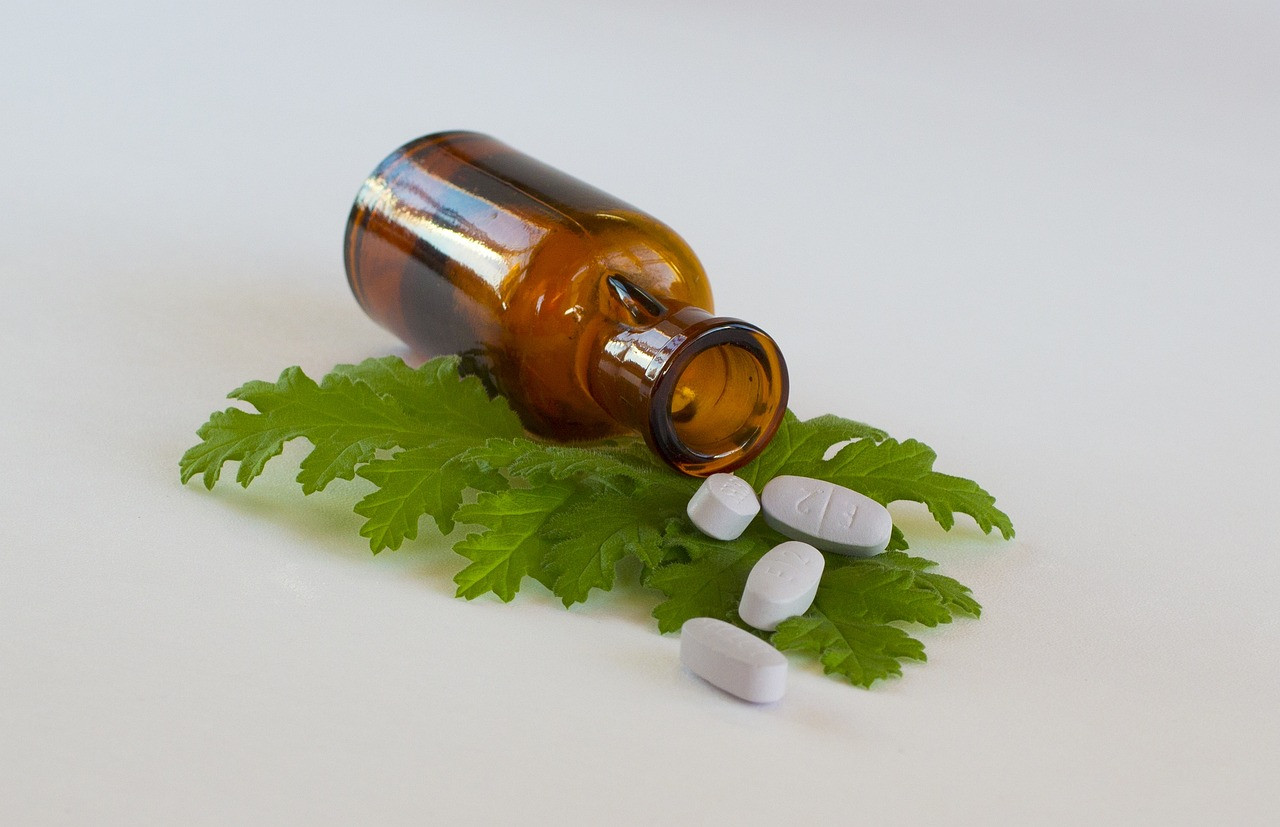
Representative image: _mequable / Pixabay
The US FDA closed comments on botanical drug development on 3 November 2026; the AMA asked for clinical trials, while herbal makers defended the current pathway.
What Happened
The US Food and Drug Administration (FDA) closed public comments on Tuesday, 3 November 2026, on how it should help companies turn plant-based medicines into approved prescription drugs. The consultation, titled "Advancing Development of Botanical Drug Products; Request for Information", was opened in the Federal Register on Friday, 4 September 2026, under docket FDA-2026-N-9550. Two of the best-known replies pull in different directions: the American Medical Association (AMA) asked the FDA to require clinical trials before botanical products are marketed or prescribed, while the American Herbal Products Association (AHPA), an industry trade group, defended the existing pathway and asked the agency to promote it more.
Key Facts
- Consultation: FDA request for information on botanical drug development, docket FDA-2026-N-9550, published on Friday, 4 September 2026.
- Deadline: comments closed on Tuesday, 3 November 2026; the FDA said late comments will not be considered.
- Questions asked: research and development hurdles, ways to speed development, possible updates to guidance and quality standards, study designs for complex plant mixtures, and whether real-world evidence could support approval.
- Approvals so far: the FDA says four botanical products have been approved as prescription drugs through its new drug application and biologics licence application routes; three are new drug applications, for sinecatechins, crofelemer and birch triterpenes.
- AMA letter: sent on Wednesday, 28 October 2026, to FDA Deputy Commissioner Grace Graham, asking that botanical products, including kratom and cannabis, prove safety and efficacy in clinical trials.
- AHPA comments: published on Wednesday, 4 November 2026, arguing that the framework set out in the FDA's 2004 botanical drug guidance is useful and that the agency could do more internally to support it.
Why It Matters
A botanical drug, in the FDA's sense, is a medicine made from plants, algae or fungi that has gone through the same approval process as any other prescription drug. That is different from an herbal dietary supplement, which can be sold in the United States without proof that it treats a disease. The gap between the two is the same gap that Ayurveda, Unani, Siddha and other traditional systems face everywhere: long use and tradition on one side, and the clinical evidence regulators ask for on the other.
The FDA's own questions show where the difficulty lies. Many traditional preparations are complex mixtures of several plants, and the chemistry of a plant can change from one harvest or batch to the next. A roundtable that fed into the consultation flagged that batch-to-batch variation as a challenge that better quality frameworks could address. The agency also asked how data from botanicals with well-established use could be applied, and whether real-world evidence, meaning information gathered from ordinary medical practice rather than a controlled trial, could help development.
The AMA's position is that popularity is not proof. Its letter said growing consumer use, anecdotal claims and marketing by social media influencers should not get around the approval process, and asked for funding and supplies of products and placebos so that proper studies can be done. AHPA, for its part, said botanical drugs play a separate role alongside herbal supplements, and that few have been approved since the 2004 guidance, which it wants the FDA to explain and advertise better.
Peepals timeline: The FDA issued its botanical drug guidance in 2004, according to AHPA. Crofelemer, made from the sap of the Croton lechleri tree, was approved in late 2012 for diarrhoea in people with HIV on antiretroviral therapy, the first botanical drug taken by mouth to win approval. The current consultation opened on 4 September 2026. The FDA and the European Medicines Agency held a joint workshop on herbal and botanical medicines on 25 September 2026. The AMA wrote on 28 October, comments closed on 3 November, and AHPA published its response on 4 November.
| Stage | Date | What happened |
|---|---|---|
| Consultation opens | 4 September 2026 | FDA request for information in the Federal Register |
| FDA-EMA workshop | 25 September 2026 | Joint meeting on herbal and botanical medicines |
| AMA letter | 28 October 2026 | Calls for clinical trials before marketing |
| Comments close | 3 November 2026 | Late comments not considered |
| AHPA response published | 4 November 2026 | Defends the existing pathway |
Impact
Short-term: The FDA now has to read and weigh the comments in the docket. The consultation itself does not change any rule, and the agency has not said when, or whether, it will issue new guidance.
Long-term: If the FDA updates its guidance on complex mixtures, quality standards or the use of real-world evidence, the route from a traditional plant formula to an approved medicine could become clearer. Any such change would apply to products seeking drug approval, not to supplements already sold as supplements.
Who is affected: Makers of plant-based medicines, researchers running trials on traditional formulations, doctors who prescribe or are asked about herbal products, and patients who use them. Indian Ayush companies and researchers who look to the US market would follow any new guidance closely, because many Ayurvedic and Unani preparations are exactly the kind of multi-plant mixture the FDA asked about.
Key Takeaway
The FDA's botanical drug consultation closed on 3 November 2026 with doctors asking for clinical-trial proof and the herbal industry asking the agency to promote its existing pathway, leaving the next step to the regulator.
Questions and Answers
What is the FDA botanical drug consultation?
It is a request for information the US Food and Drug Administration published on 4 September 2026, under docket FDA-2026-N-9550, asking how it could help plant-based medicines through drug development, including on quality standards, trial design for complex mixtures and real-world evidence. Comments closed on 3 November 2026.
How many botanical drugs has the FDA approved?
The FDA says four botanical products have been approved as prescription drugs. Three were approved as new drug applications: sinecatechins, crofelemer and birch triterpenes.
What did the American Medical Association ask for?
In a letter of 28 October 2026 to FDA Deputy Commissioner Grace Graham, the AMA asked that botanical products, including kratom and cannabis, show safety and efficacy in clinical trials before they are marketed or prescribed for medical conditions.
Does this change how Ayurvedic or herbal supplements are sold in the US?
No. The consultation is about products seeking approval as prescription drugs. It does not by itself change any rule, and the FDA has not announced new guidance.
Disclaimer: Prepared by the Peepals newsroom from publicly available sources with AI assistance. Information is accurate to the best of our knowledge at the time of publication and may change. Images may be representative. Not professional advice. Report an error via our contact page.
By Ananya Rao, Ayush & Wellness CorrespondentCovers Ayush and more for Peepals Sanskriti. All stories by Ananya Rao
Mahabharata, Arthashastra, Rajatarangini manuscripts enter UNESCO memory register
Wangala Festival 2026: 1,000 drums for golden jubilee near Tura, November 11-14
Get the day's stories in your inbox
Peepals Weekly: the week decoded, free. One email a week, unsubscribe in one click.
Ananya Rao is a pen name of the Peepals Global Editorial Team, which researches, fact-checks and publishes every story. The portrait is an illustration.